













































From the Red Sea to Panama: How global trade bottlenecks reach store shelves
Disruptions at critical maritime chokepoints set off a chain reaction from freight costs to grocery prices. We explain it with maps.
Table of contents
Most global trade is carried by container ships passing through a handful of narrow sea lanes. Security problems, droughts or accidents in these passages can directly affect store shelves thousands of miles away. In our analysis, we use maps to show how recent disruptions have lengthened shipping routes and changed delivery times. Logistics expert Chris Alden notes that companies are now seriously considering moving their supply chains to nearby regions. This trend also holds significant opportunities for countries located close to major production hubs.
The world's chokepoints
A large share of world trade flows through a few passages that look no bigger than a fingertip on the map. The corridor from the Red Sea to Suez, the Panama Canal and the major straits are vital not only for shipping traffic but also for moving energy and food. A disruption in one of these passages can be felt months later on a supermarket shelf on another continent.
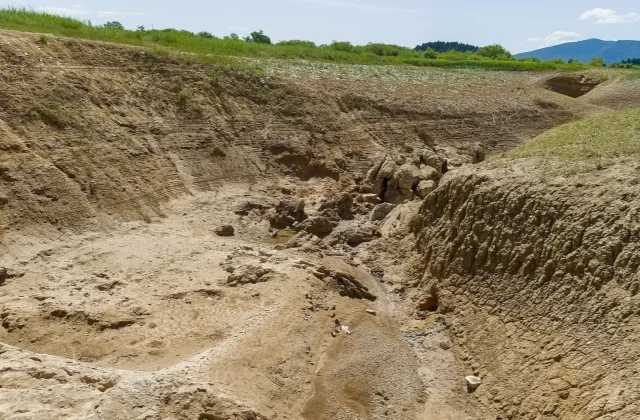
In our analysis, we tracked delays at these passages using open shipping traffic data. Transits restricted by drought in Panama and security concerns in the Red Sea have led ships to choose longer routes. Our maps show that these detours lengthen voyages by ten to forty days. Fuel, insurance and waiting costs follow from that extra time.
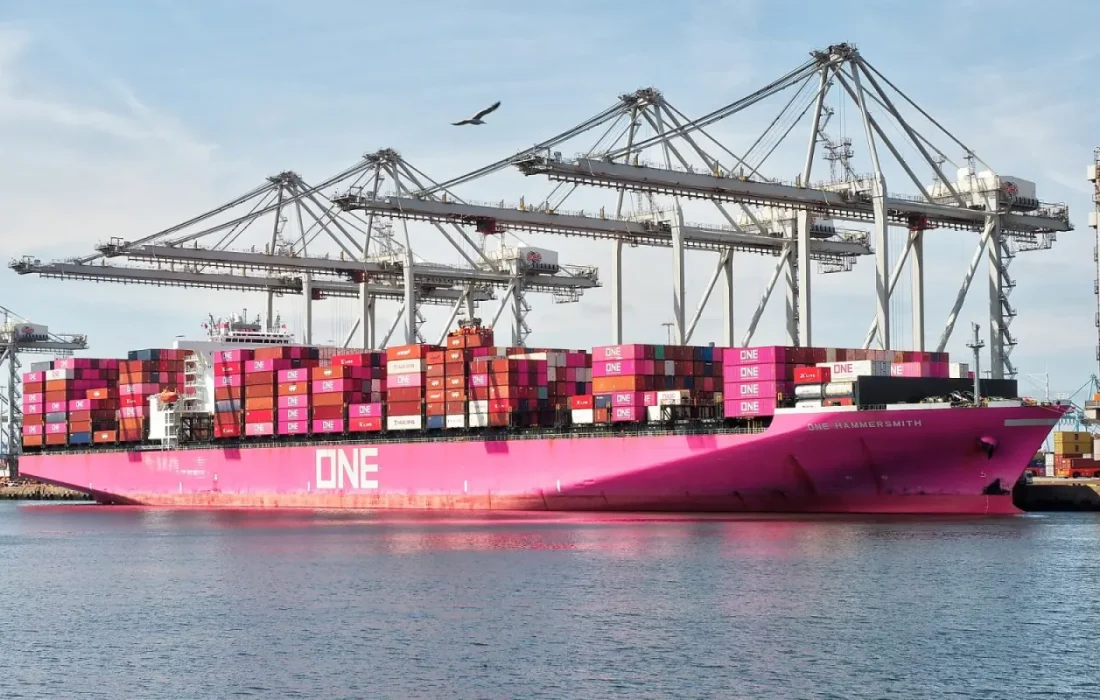
A blockage in a single strait can reach all the way to the price of the bread on your table.
Ethan Brooks
Longer routes, higher costs
The cost of longer routes shows up in freight rates. Container shipping rates can multiply within a short time during disruptions. The increase is passed first to the importer, then to the wholesaler and finally to the consumer. An importer we spoke with says that even when the purchase price of a product doesn't change, shipping can raise the total cost by twenty percent. Shipping thus becomes a price item in its own right, independent of the product itself.
As delivery times grow longer, inventory management becomes harder too. Retailers have to keep more warehouse space and plan orders further ahead. Small businesses that can't carry this burden are forced to switch suppliers or narrow their product range. For sensitive goods such as food and medicine, delays mean a risk of spoilage and price swings.
Risks and opportunities closer to home
For countries close to major production hubs, the picture holds both risk and opportunity. On the risk side, industries that depend on imported inputs are hit directly by rising freight costs. On the opportunity side, short-distance production is becoming more attractive for companies that want to move their supply chains closer to home. Logistics expert Chris Alden says this isn't a short-term shift but a gradual restructuring.
| Topic | World |
|---|---|
| Highlights | inflation, food security, investigation |
| Reading time | 11 minutes |
| Written by | Ethan Brooks |
Key takeaways
- Disruptions at a few narrow passages can lengthen routes by ten to forty days.
- Rising freight costs are passed first to importers, then to consumer prices.
- Nearshoring brings both risk and opportunity for countries close to production hubs.
Seizing the opportunity depends on port infrastructure, the speed of customs procedures and rail links. According to Alden, without investment in these areas, the advantage could slip to other countries. At the end of our maps, we compare possible alternative routes and their costs. Seeing the chain that runs from a disruption at a chokepoint to the price on your table is a reminder of how fragile a network trade really is.
Leave a comment