











































Listen: recipes that traveled from the palace kitchen ledgers to today’s tables
In this episode of Kitchen Talks, we discuss recipes that traveled from the palace kitchen's records to today's home kitchens, and the long journey of spices.
Table of contents
In the new episode of Kitchen Talks, Salt & Pepper's podcast, we dig into the history of the Ottoman palace kitchen. The purchase ledgers kept by the palace kitchen recorded in detail which ingredients were bought, in what quantities, in which season and from which city. Today these ledgers are a unique source for food historians. In this episode, our food culture editor Sophie Laurent and her guest, food historian Dr. Helen Marsh, talk about what these records reveal, the routes the spices traveled and which recipes made their way from palace tables to today's home kitchens. You can listen to the roughly forty-minute episode using the player at the top of the page. A written summary of the episode is also available below.
What do the kitchen ledgers tell us?
In the first part of the episode, Dr. Helen Marsh explains what kind of information the palace kitchen ledgers contain. These records show in detail the quantities and prices of the rice, flour, sugar, honey, butter, meat, vegetables, fruit and spices bought for the palace kitchen, and the dates on which they were purchased. According to Marsh, these ledgers can be even more valuable than cookbooks for understanding the cuisine of an era. She also points out that studying the records takes patience, because the units of measurement and ingredient names used are quite different from today's.
From the ledgers, you can learn which foods were eaten in which season and how tables grew more lavish on holidays and special occasions. Marsh explains that some of the ingredients named in the records are all but forgotten today, while others live on in our kitchens under different names. These records open a door to looking at food history through numbers. For example, some fruits and vegetables were bought only in certain months, which shows how naturally seasonal eating was woven into life at the time. Marsh believes this knowledge holds a lesson for today as well.
Sometimes a list of provisions in a ledger tells you more than a history book.
Sophie Laurent
The long journey of spices
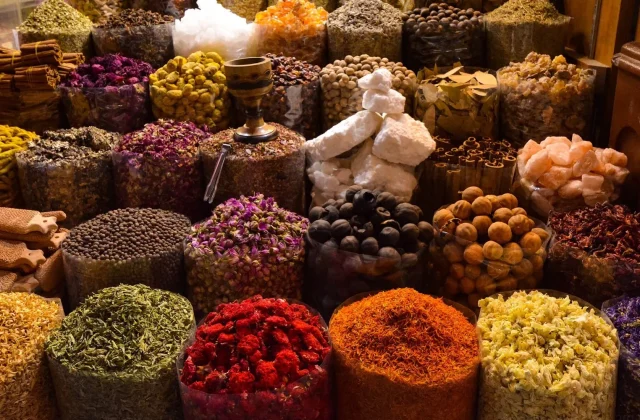
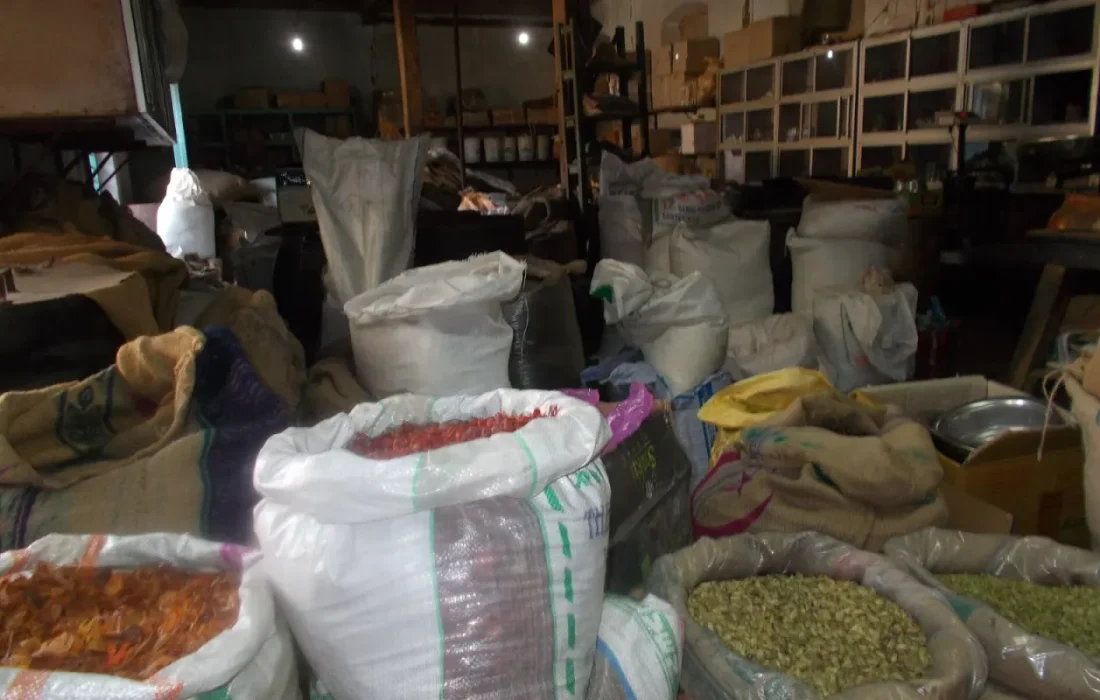
In the second part of the episode, we talk about the long journey of spices. For centuries, spices such as black pepper, cinnamon, cloves and ginger traveled by sea and overland from India and Southeast Asia to the Mediterranean. These trade routes carried not only spices but also recipes, techniques and culinary habits. Saffron, meanwhile, was grown in Anatolia and considered extremely precious. The journey also set the price of spices; a spice from distant lands became far more valuable each time it changed hands along the way.
Marsh explains that in the palace kitchen, spices were used as much as a sign of wealth as for flavor. Expensive spices on the table symbolized the host's generosity and power. In the episode, we also discuss the place of spice markets in city life and the vibrancy these markets still have today. We go on to talk about how spices were used not only in savory dishes but also in sherbets, desserts and even some traditional preparations. Marsh says this versatility only added to their value.
Traces of the palace on today's table
In the final part of the episode, we look at recipes that made their way from the palace kitchen to today's home kitchens. Marsh explains that some desserts, pilafs and sherbets were developed in the palace kitchen and gradually spread into everyday cooking. But she also reminds us that most of these recipes changed over the centuries, and that the versions we know today may be quite different from the originals. That change shows that cuisine is a living culture; every generation reinterprets the recipes it inherits with its own ingredients and tastes.
| Topic | Food Culture |
|---|---|
| Highlights | spices, recipe, Turkish coffee |
| Reading time | 4 minutes |
| Written by | Sophie Laurent |
Key takeaways
- The palace kitchen ledgers kept detailed records of every purchase.
- The spice trade routes carried recipes and techniques, too.
- Recording family recipe books is the way to preserve culinary memory.
The episode closes with Marsh's suggestion to listeners: preserve and record your family recipe books. In her view, every recipe note written today could be as valuable a source for future food historians as the palace kitchen ledgers. In the next episode of Kitchen Talks, we'll talk about Anatolia's regional bread traditions. Don't forget to send us your comments and suggestions. If, after listening to the full episode, you'd like to share your own family recipes with us, we plan to feature some of them in upcoming episodes.
What do you think about this post?
Leave a comment