





























































From copper pots to clay casseroles: the cookware memory of Anatolian cuisine
From the hammers of the tinsmiths to the potters' wheels, we followed the story of the vessels that shape the flavor of food.
Table of contents
A dish's flavor depends not only on its ingredients but also on the vessel it's cooked in. The copper pots, clay casseroles, cast-iron griddles and stone mortars used in Anatolian kitchens for centuries were handed down through generations as an inseparable part of the recipes. Copper sets kept in dowry chests, clay pots blackened in village ovens and neighborhoods the tinsmith visited every spring were the kitchen's silent witnesses. For this article we spoke with one of the last remaining tin-lining craftsmen and with a family that has made pottery for generations. We looked into why certain vessels became tied to certain dishes, how they distribute heat and how they can be used safely in today's kitchens. Practical notes on caring for old cookware close the article.
Masters of copper and tin
For centuries, copper was one of the most prized materials for cookware in Anatolian kitchens. Copper pots, which conduct heat quickly and evenly, were the choice for dishes that need careful attention, such as pilaf, jam and syrups. But because direct contact between copper and food isn't safe, the inside had to be lined with tin. That made tinsmiths indispensable craftsmen in every neighborhood. Copper pots also held an important place in dowry traditions: a young bride's hope chest would include copper sets of every size, meant to be passed down through the generations.
The tinsmith we spoke to says he still remembers the calls of the tinsmiths who went from neighborhood to neighborhood every spring when he was a child. Today, he says, very few craftsmen are left, and young people rarely take up such demanding work. In his view, a well-tinned copper pot can be used for generations with regular care. When you notice the tin lining wearing thin, it's time to take the pot to a craftsman. He explains that re-tinning involves heating and cleaning the pot and wiping melted tin onto the surface with cotton, work that takes care and experience.
The older the pot, the deeper the memory of the food.
Sophie Laurent
The slow heat of clay
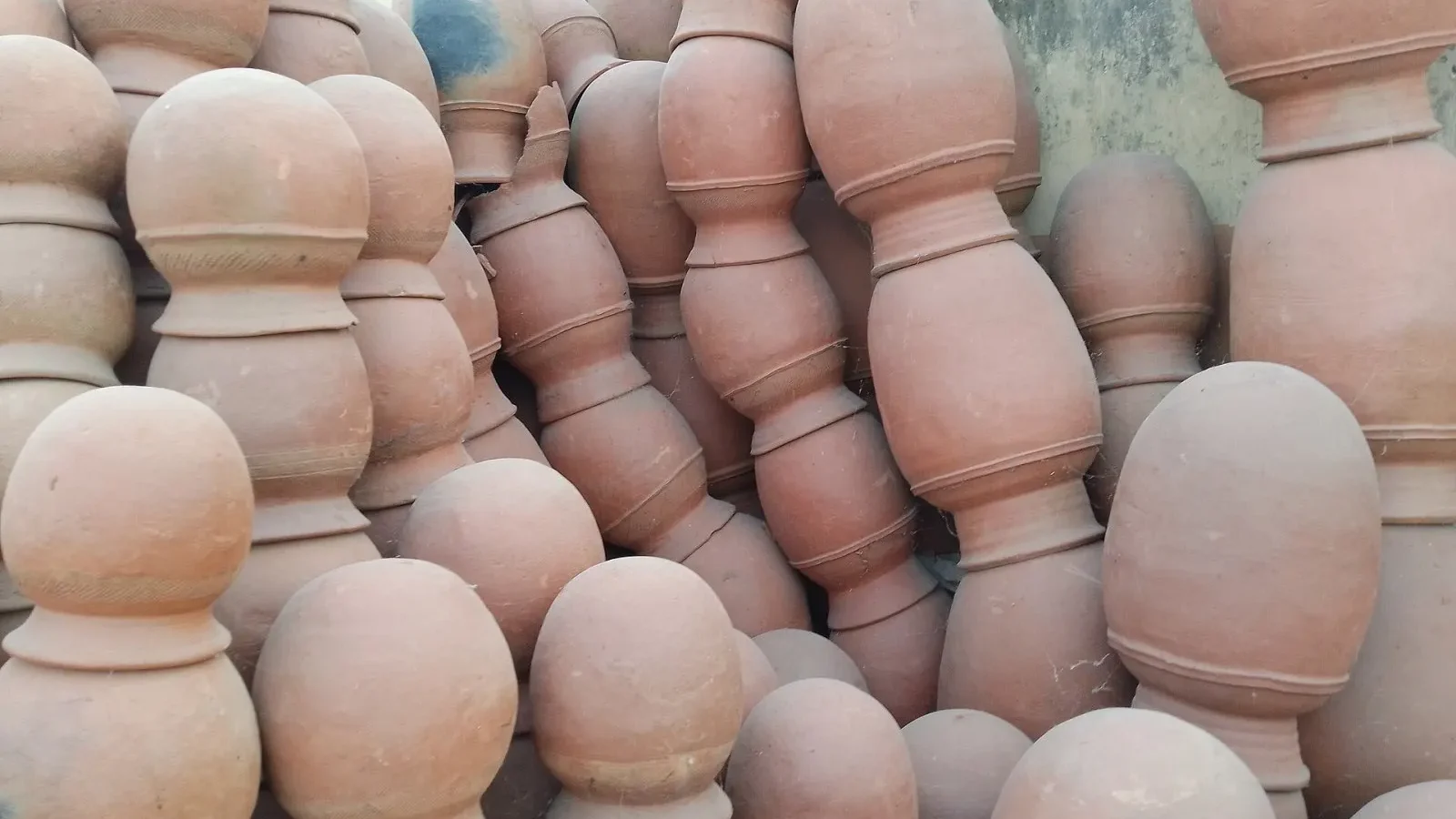
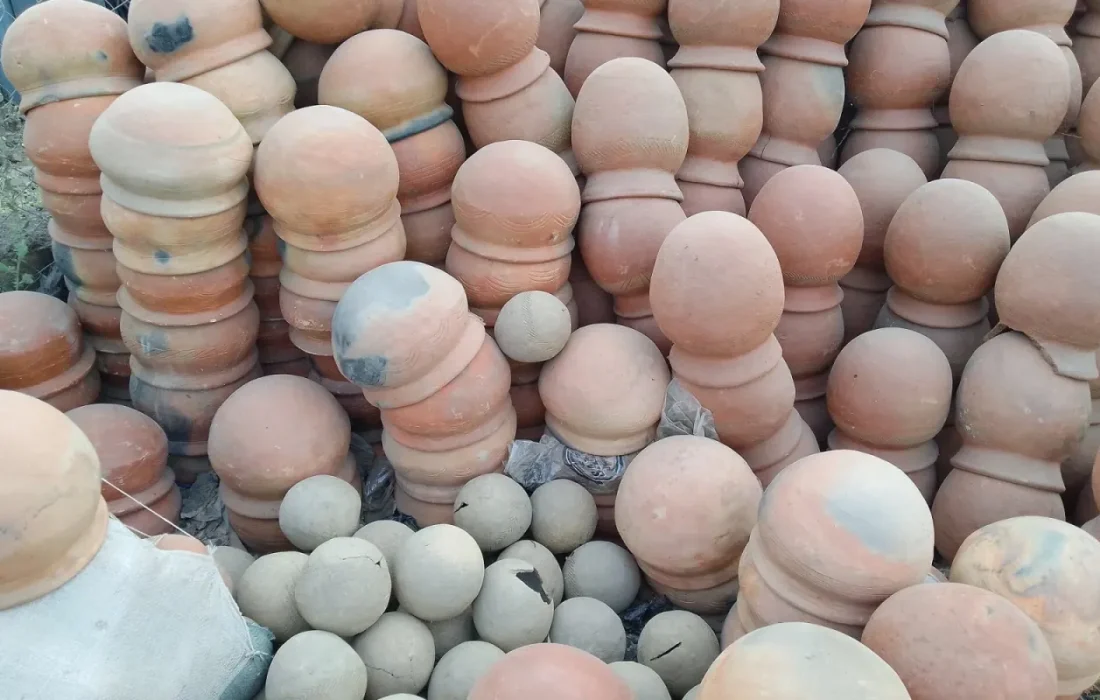
Clay casseroles have the opposite character to copper. They heat up slowly, hold heat for a long time and cook food gently. That quality deepens the flavor of long-cooked dishes like white bean stew, mixed vegetable stew and casseroles. In the workshop of a family that has made pottery for generations, we watched how the clay is prepared and fired in the kiln. In the workshop, the clay is first kneaded, shaped on the wheel, left to dry for days and then fired in a high-temperature kiln; the whole process takes about two weeks.
Clay cookware needs care, too. A new clay pot should be soaked in water before its first use and protected from sudden changes in temperature. Putting a cold clay pot straight onto high heat, or setting a hot one down on a cold surface, can cause it to crack. The potter's family believes a well-cared-for clay pot turns out slightly tastier food every time it's used. When cooking a casserole in the oven, heating the oven with the pot inside is the easiest way to avoid a sudden temperature change, and it significantly reduces the risk of cracking.
Old vessels in today's kitchen
Copper and clay cookware are enjoying renewed interest in many kitchens today. But there are a few things to keep in mind when using old pieces. Acidic dishes should never be cooked in copper pots with worn tin linings, and glazed clay pots should come from a reputable maker. Rather than cooking in old glazed pots of unknown origin, it's safer to use them for decoration. When buying copper cookware, it's also important to make sure the inside is tin-lined and to check the condition of the lining regularly.
| Topic | Food Culture |
|---|---|
| Highlights | spices, recipe, olive oil |
| Reading time | 7 minutes |
| Written by | Sophie Laurent |
Key takeaways
- The inside of copper pots must always be tin-lined.
- Clay casseroles should be protected from sudden temperature changes.
- Old glazed pots of unknown origin should be used only for decoration.
A mix of lemon and salt is the traditional way to polish the outside of copper pots. Clay casseroles, on the other hand, should be cleaned with hot water and a brush rather than dish soap, because their porous surface can absorb detergent. These small care habits mean old cookware can be used safely and the kitchen's memory can be passed on to the next generation. Not just using these pots, but also recording the recipes, stories and craftsmanship that come with them, is the most valuable way to keep food culture alive.
What do you think about this post?



Leave a comment