





























































Table of contents
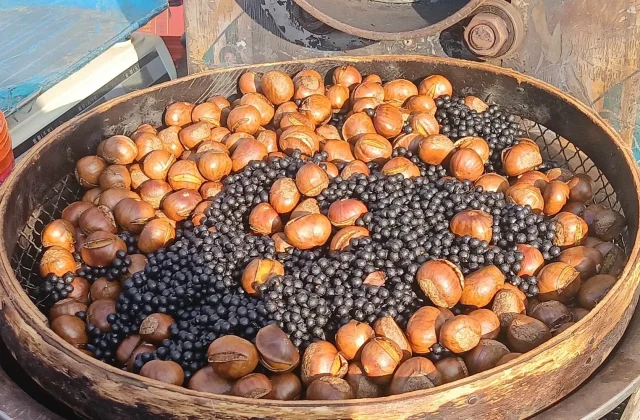
When November arrives, the market stalls change color: golden quinces are stacked in crates, piles of pomegranates turn the counters red, the smell of roasting chestnuts drifts from street corners and anchovies start to glitter on the fishmongers' ice. This month's Salt & Pepper cover story was put together to bring exactly that abundance into the home kitchen. Together with our editors and the chefs who test recipes in our kitchen, we chose twelve recipes built around the season's favorite produce, from soups and mains to salads and desserts. None takes more than an hour of prep, and most of the ingredients are easy to find at your local market. At the end of the feature, a week-long menu and a one-page shopping list are waiting for you.
November at the market: what to buy, and where
November's market is one of the most generous of the year. Quinces, pomegranates, chestnuts, apples and pears fill the fruit side, while leeks, cabbage, celery root, spinach, cauliflower and beets are the stars of the vegetable stalls. At the fishmongers, anchovies, horse mackerel and bonito are plentiful. In building the twelve recipes in our feature, we focused on the moment these ingredients are at their peak in flavor and at their best price, so a seasonal table won't strain your budget. Market prices reflect the abundance, too: many items sell for noticeably less than they did in October.
The first rule of shopping is to pick the produce up. Choose quinces that are heavy and fragrant, pomegranates with taut, slightly angular skins and chestnuts that are glossy and plump. With vegetables, check that the leaves are crisp and the roots haven't dried out. At your local market, don't hesitate to ask the vendors what's best that week; they usually know better than anyone which crate just came in from the garden. Once you've bought it, store it properly: quinces and pomegranates in a cool spot, and leafy greens wrapped in a damp cloth in the fridge.
Cook in season, and the ingredients write half the recipe for you.
Emily Carter
A week-long seasonal menu
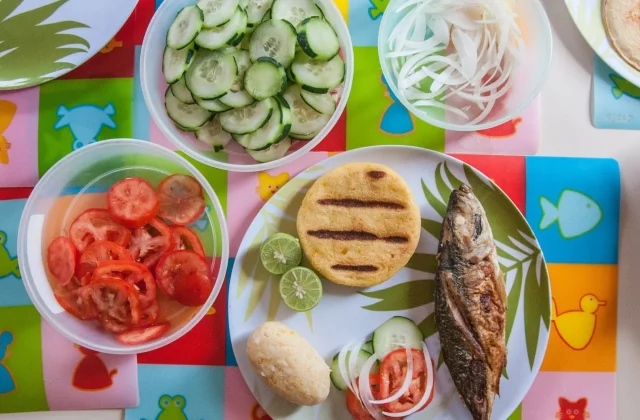
Our weekly menu starts on Monday with a bowl of leek and potato soup and celery root braised in olive oil. On Tuesday evening we suggest sheet-pan baked anchovies with cornbread, on Wednesday a simple table built around chestnut pilaf, and on Thursday a light supper of chopped tomato salad with pomegranate and walnuts. Each recipe is designed to use up leftover ingredients from the day before. That way nothing gets forgotten and spoils in the fridge over the week, a different dish reaches the table every evening and your budget gets a boost as well.
For the weekend we chose recipes that take a little longer. On Saturday, quinces stuffed with ground meat, or a meat-free version with rice; on Sunday, slow-cooked white beans with homemade pickles on the side. For dessert there's poached quince with cloves and a milk pudding topped with candied chestnuts. The recipes on the menu serve four, and you can easily scale the portions to suit your household. Since some of the weekend recipes can be made ahead and kept in the fridge, they save the host time when there's a crowd at the table.
Small touches that complete the table
What completes a seasonal table is often the small details. A jar of pomegranate molasses, toasted walnuts, freshly ground red pepper flakes and good olive oil can take a simple dish somewhere entirely new. Putting a plate of seasonal fruit and dried nuts on the table keeps the conversation going after the meal. Choosing the warm colors of autumn for the tablecloth changes the mood, too. These small additions take only minutes to prepare, yet they give the table a thoughtful feel and are among the details guests remember most.
| Topic | Recipes |
|---|---|
| Highlights | seasonal, recipe, quince |
| Reading time | 9 minutes |
| Written by | Emily Carter |
Key takeaways
- The twelve recipes are built on November's most plentiful and affordable produce.
- The weekly menu puts each day's leftovers to use in the next day's recipe.
- The shopping list is split into pantry staples and perishables.
We've split the shopping list on the last page of the feature in two, around market day: pantry staples should be bought at the start of the week, while perishables such as fish and leafy greens should be bought on the morning you plan to cook them. This bit of planning cuts down on waste and ensures every ingredient reaches your kitchen at its freshest. Enjoy your meal. You can save the list to your phone or tear out the magazine's last page and stick it on your fridge door, so you won't forget a thing on the way to the market.
What do you think about this post?
2 Comments
Really useful piece, thank you for putting it together.
I had never thought about this side of it. Looking forward to a follow-up.