




























































Five warming soups for the winter table: nourishing recipes from lentil to tarhana
Five soup recipes made with legumes, vegetables and grains, with practical ideas for a winter table that's both filling and light.
Table of contents
As the weather gets colder, soup takes the starring role at the table. A well-made soup can deliver a meal that's both filling and nourishing with only a few ingredients. In this article we revisit five recipes, red lentil, tarhana (a tangy fermented grain and yogurt soup), yogurt and rice, vegetable and chickpea, with a more balanced winter table in mind. We cut back on butter and balanced it with olive oil, left the salt until the end and increased the share of vegetables. Each recipe comes with a suggested serving size per person and storage tips. Of course, everyone's nutritional needs are different; if you have a medical condition or need to limit salt, we recommend consulting your doctor or dietitian before adapting the recipes.
Soup's place at the table
In Turkish cooking, soup isn't just a starter; it's often the meal itself. Eaten at any hour from breakfast to dinner, soup is one of the oldest ways to feed many people with few ingredients. Soups made with vegetables, legumes and grains offer a warming and filling option in the winter months. They're also one of the easiest ways to bring vegetables and legumes to the table, and a practical solution for children and anyone who doesn't love vegetables.
In preparing the recipes in this article, we kept the traditional flavors while putting a more balanced table first. We replaced some of the butter with olive oil, skipped bouillon cubes and increased the share of vegetables. These suggestions are general in nature, however; anyone with special dietary needs should consult a specialist about adapting them to their own situation. Using homemade vegetable stock makes it easier to control salt than with store-bought products; you can make the stock ahead and keep it in the freezer.
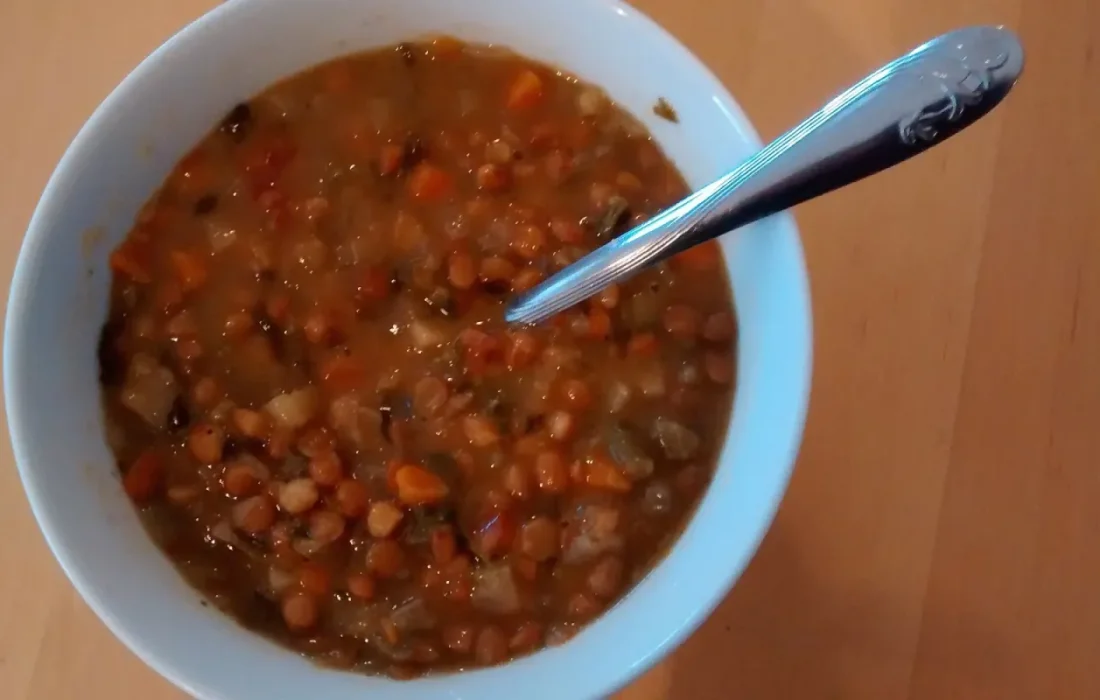
A warm bowl of soup isn't winter's simplest cure, but it is its loveliest comfort.
Sarah Bennett
Five recipes, five textures
Our first recipe is the classic puréed red lentil soup: it's made with red lentils, onion, carrot and potato and blended until smooth. The second is tarhana soup, made with homemade tarhana (a dried, fermented mix of grain and yogurt) and colored with tomato paste. The third is yayla soup, made with yogurt, rice and dried mint; the yogurt must be tempered carefully so it doesn't curdle. When preparing the yogurt mixture, whisk the yogurt well with the egg and flour, then slowly add a few ladlefuls of hot liquid from the pot to warm it before stirring it into the pot.
The fourth recipe is a vegetable soup made with seasonal produce: leeks, celery root, carrots and potatoes are cut into large pieces, sautéed briefly in olive oil and simmered in vegetable stock. The fifth and final recipe is a hearty chickpea soup made with cooked chickpeas, tomatoes and cumin. All five recipes can be made in a single pot in an hour or less. For the chickpea soup, don't forget to soak the dried chickpeas overnight; if you're short on time, canned chickpeas will work too, but you'll need to cut back on the salt.
Balancing salt, fat and portions
Salt should go into soups at the very end of cooking. As the liquid reduces, the salt becomes more concentrated, so salt added early can leave the soup saltier than you expected. Finishing touches like lemon juice, dried mint and red pepper flakes help you get a flavorful result with less salt. A pinch of cumin or a little fresh thyme also adds depth and noticeably reduces the need for salt; as your palate adjusts, less salt starts to feel like enough.
| Topic | Healthy Kitchen |
|---|---|
| Highlights | soup, legumes, recipe |
| Reading time | 6 minutes |
| Written by | Sarah Bennett |
Key takeaways
- All five soup recipes are made in one pot, in an hour or less.
- Adding salt at the end of cooking prevents overly salty results.
- Anyone with a health condition should adapt the recipes with expert advice.
When it comes to portions, one bowl, about 1 cup (250 ml), is a good start to a meal for most adults. Most soups keep in the fridge for up to three days; yogurt-based soups such as yayla soup shouldn't be boiled when reheated. Anyone on a salt-restricted diet or with kidney disease or another health condition should adapt the recipes according to their doctor's advice. You can also portion and freeze the soups, so you always have something on hand that can be reheated and on the table within minutes on busy days.
What do you think about this post?
Leave a comment