




































Young chef Nora Whitfield, who empties her restaurant's trash can just once a week, says zero-waste cooking is a necessity, not a trend.
Chef Nora Whitfield: ‘Zero waste isn’t a menu, it’s a discipline we practice in the kitchen every day’
Young chef Nora Whitfield, who empties her restaurant's trash can just once a week, says zero-waste cooking is a necessity, not a trend.
Table of contents
At Thyme & Ember, thirty-one-year-old chef Nora Whitfield's twenty-four-seat restaurant in the capital, the trash can is emptied only once a week. Vegetable peels become stock, bread crumbs become breadcrumbs for coating, fruit scraps become vinegar and bones go into long-simmered broths. Whitfield describes zero-waste cooking not as a marketing label but as a working discipline built anew every single day. In our interview, the chef explained how she designs the menu so it produces no waste, how she reached agreements with her suppliers on packaging and how she got her team used to the system. We've gathered practical tips you can use in your own kitchen in the final section of the article.
From peel to sauce, from root to soup
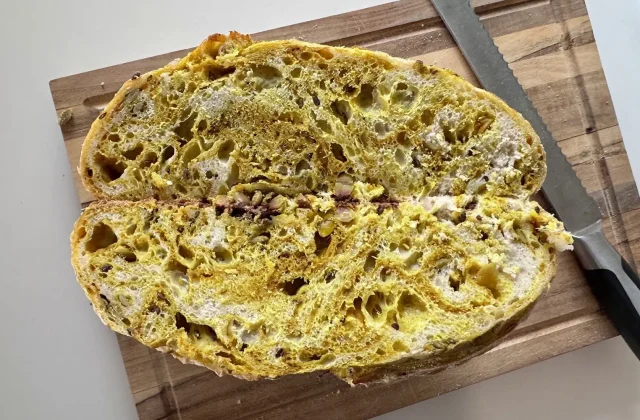
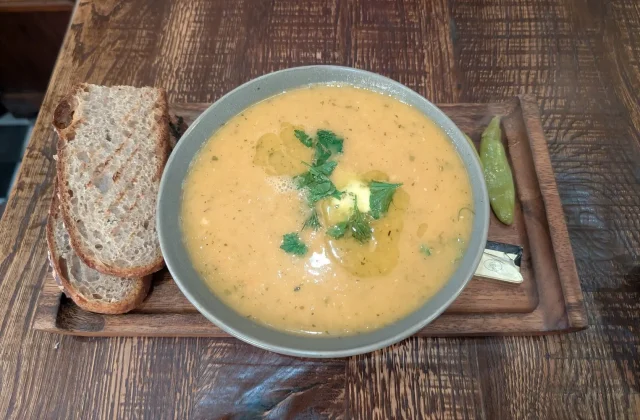
In Nora Whitfield's kitchen, every ingredient gets a second, even a third, life. Carrot and onion peels, vegetable stems and mushroom stalks are collected in a large pot and turned into stock. Stale bread becomes breadcrumbs, crumbs for frying or bread pudding. The chef explains that before putting an ingredient on the menu, she thinks about how she'll use every part of it. This approach also makes the menu more creative, because every constraint sparks a new recipe idea in the kitchen.
One of Whitfield's favorite techniques is fermentation. She turns surplus vegetables into pickles, fruit scraps into vinegar and bread crusts into a tangy fermented drink. In the back of the kitchen, dozens of jars hold ferments at different stages. The chef says fermentation both reduces waste and adds deep, complex flavors to the menu. Each fermentation jar is tracked with a label noting its date and contents. The chef logs in a notebook when each jar will be ready and plans the menu around it.
Zero waste isn't a menu; it's a discipline we practice in the kitchen every day.
Sophie Laurent
Building relationships with suppliers
The zero-waste approach doesn't start just inside the kitchen, but in the supply chain. Whitfield buys her vegetables and fruit directly from small producers and asks for them to arrive in reusable crates instead of plastic packaging. The crates go back to the producer with every delivery. She says setting up this system was hard at first, but over time the producers embraced the approach too. As a result, the kitchen's packaging waste is noticeably lower than in the restaurant's first year.
She also stays in constant contact with her suppliers while designing the menu. Finding out what surplus a producer has on hand and adding it to the menu both prevents the producer's loss and brings new ideas into the kitchen. Whitfield believes that for a restaurant to be zero waste, it has to work not alone but as part of a network. The producers in this network have become partners who contribute to shaping the menu, not just people who sell her produce. From time to time, the chef hosts them for a special dinner at the restaurant and reviews the menu with them.
Tips for the home kitchen
Whitfield's first tip for home kitchens is to plan the weekly shopping ahead. Knowing what's in your fridge and buying only what you need prevents most waste. Her second tip is to collect vegetable peels and stems in a bag in the freezer and make stock from them at regular intervals. The stock can easily be used in soups and pilafs. It's important to use up the frozen scraps regularly; the chef suggests setting aside a stock-making day every two weeks.
| Topic | Chefs |
|---|---|
| Highlights | chef, zero waste, fermentation |
| Reading time | 7 minutes |
| Written by | Sophie Laurent |
Key takeaways
- Vegetable peels, stems and stale bread get a second life in the kitchen.
- Close relationships with suppliers reduce packaging waste.
- Weekly planning and reworking leftovers are the way to cut waste at home.
The third tip is to turn leftovers into new dishes. Yesterday's pilaf can become fritters, boiled vegetables an omelet and overripe fruit compote or jam. Whitfield stresses that zero waste isn't a goal of perfection but a journey taken in small steps. What matters, she says, is trying to throw away a little less every day. For the chef, the best part of that journey is rediscovering the value of every ingredient used in the kitchen and developing a more respectful approach to food.
What do you think about this post?
Leave a comment