












































Cooking legumes for easier digestion: tips on soaking, boiling and spices
Practical advice on soaking, boiling and using spices to enjoy chickpeas, white beans and lentils at a lighter table.
Table of contents
Chickpeas, white beans, borlotti beans and lentils are among the oldest and most nourishing staples of Anatolian cuisine. Rich in fiber and plant protein, legumes form the backbone of an affordable, filling table. Yet many people complain that they cause digestive discomfort. A few traditional kitchen methods can make a real difference here: soaking them long enough, discarding the soaking water, skimming off the foam and cooking them with spices such as cumin, bay leaf and fennel seed top the list. In this article we've gathered these methods together. If digestive problems persist or you follow a special diet, we strongly recommend consulting a doctor or dietitian.
Why soaking matters
Soaking dried legumes before cooking is a traditional practice that shortens cooking time and is thought to make them easier to digest. Larger legumes like chickpeas and white beans should soak in plenty of water for at least eight to twelve hours. It's a good idea to change the water once or twice while soaking and to move the bowl to the fridge if the room is warm. Soaking time can vary with the type and freshness of the legume; older legumes that have been stored for a long time may need longer soaking and cooking.
Pouring away the soaking water rather than cooking with it is a common kitchen habit. The legumes should then be rinsed well in clean water. Small, hulled legumes like red lentils don't need soaking; rinsing them a few times is enough. For green and brown lentils, a short soak makes for more even cooking. On days when you forget to soak, boiling the legumes for a few minutes, taking them off the heat and leaving them in the hot water for an hour is a practical alternative.
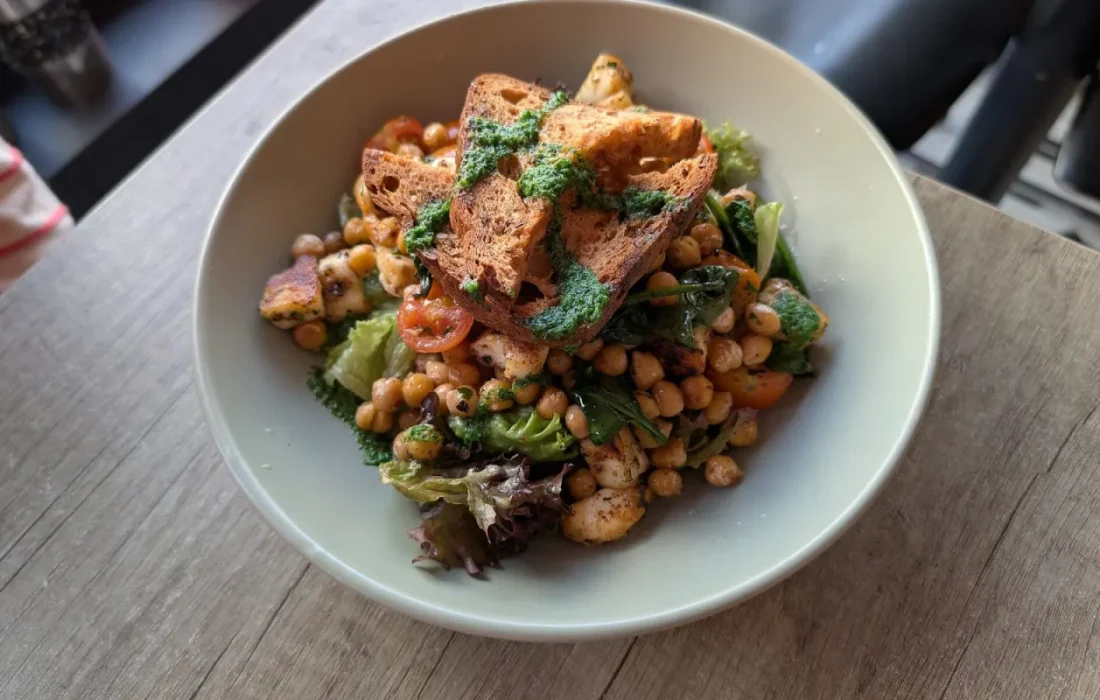
A legume's patience begins in the soaking bowl.
Sarah Bennett
Cooking water and cooking times
Skimming off the foam that forms on the surface during the first boil is a common method in traditional cooking. Leaving the lid slightly ajar while boiling keeps the pot from boiling over. It's important to cook legumes until they're completely tender; undercooked legumes can be unpleasant in terms of both flavor and digestion. Cooking time depends on the type: soaked chickpeas usually soften in one to one and a half hours, white beans in a little less. Keeping the pot over low heat stops them from falling apart.
Salt should be added once the legumes have started to soften. Acidic ingredients such as tomato paste and lemon should also go in toward the end of cooking, because acid can slow the softening process. A pressure cooker cuts cooking time considerably, but pay attention to the recommended time for each legume. That's why, when making a white bean or chickpea stew, it's best to cook the legumes separately first and then combine them with the sauce and other ingredients. This method keeps the legumes both tender and whole.
Spices and accompaniments
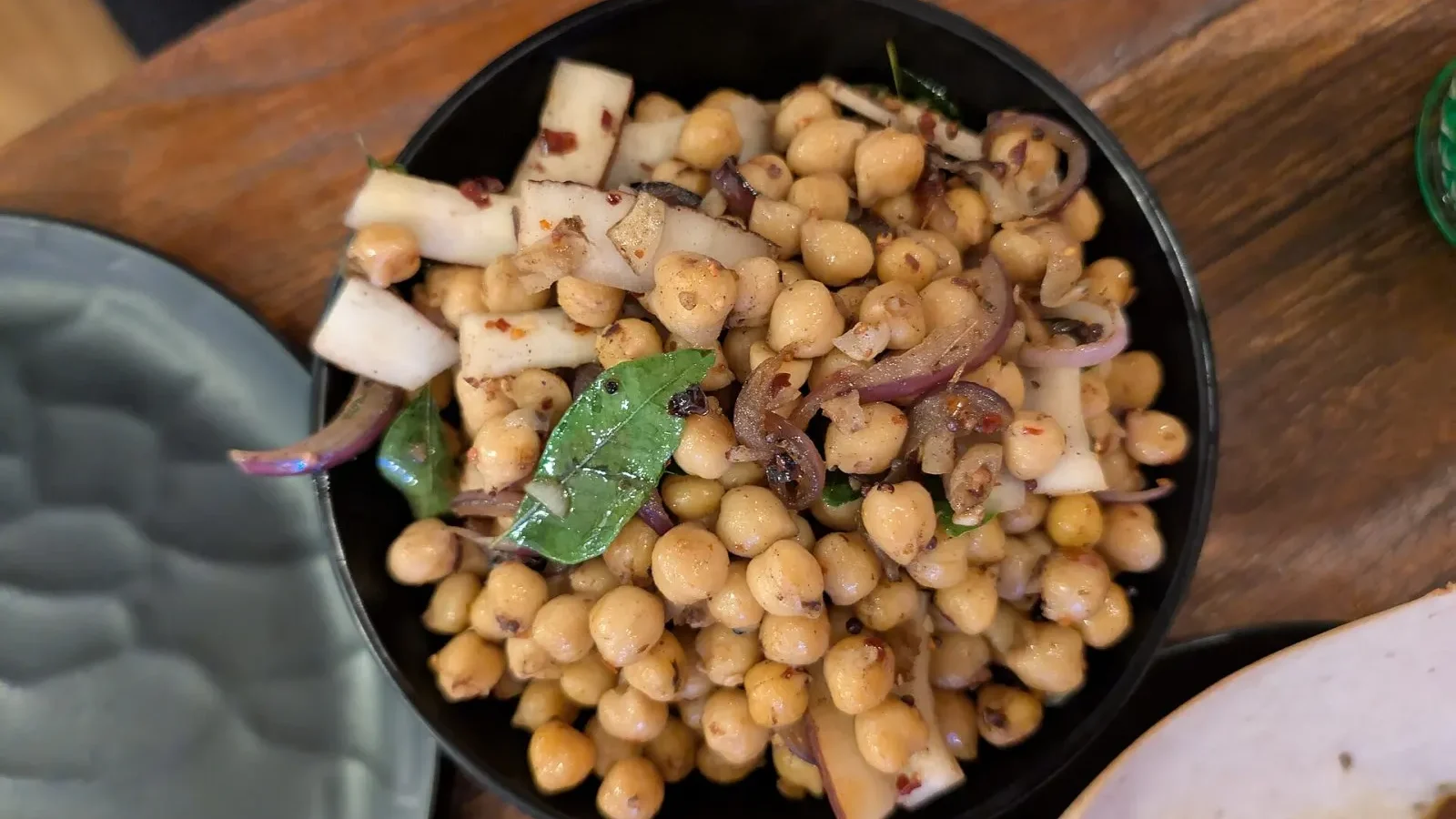
Cumin, bay leaves, fennel seeds and thyme are spices traditionally paired with legumes in Anatolian and Mediterranean cooking. They're chosen both for flavor and because they're traditionally thought to aid digestion. Adding a bay leaf or two to the cooking water gives the dish a pleasant aroma. Briefly toasting spices in oil at the start of cooking helps release their aromas, but take care not to burn them, as burnt spices give food a bitter taste.
| Topic | Healthy Kitchen |
|---|---|
| Highlights | legumes, spices, recipe |
| Reading time | 5 minutes |
| Written by | Sarah Bennett |
Key takeaways
- Larger legumes should soak for at least eight hours, and the soaking water should be discarded.
- Salt and acidic ingredients should be added toward the end of cooking.
- Anyone with digestive problems should seek advice from a specialist.
Pickles, salad and yogurt served alongside legume dishes are the accompaniments that balance the table. Legumes eaten with bulgur or rice pilaf make a more filling meal. However, anyone who is sensitive to legumes, has digestive problems or follows a special diet should seek guidance from a doctor or dietitian on portion size and frequency. For those just starting to eat more legumes, beginning with small portions and gradually increasing the amount is generally recommended.
What do you think about this post?
Leave a comment