



























































An introduction to fermentation: the basic rules of pickling at home
From the salt ratio to cleaning your jars, the basic principles of safe, delicious home pickling, explained with a little kitchen science.
Table of contents
Fall is the season for preparing for winter, and for filling pickle jars. Cabbage, peppers, carrots, cauliflower and cucumbers turn sour, crunchy and aromatic after a few weeks in brine. Behind that transformation is lactic acid fermentation: bacteria that occur naturally on the vegetables convert sugars into lactic acid, acidifying the brine and shaping both the flavor and the shelf life. In this article we cover the basic principles of fermentation, the right salt ratio, choosing jars and water, how using vinegar differs and the signs that a pickle has spoiled. For a safe result, cleanliness and correct ratios are the most important rules of all.
How does fermentation work?
Behind traditional pickles lies lactic acid fermentation. Lactic acid bacteria, which occur naturally on the surface of vegetables, convert the sugars in the vegetables into lactic acid in the brine. As this happens, the brine becomes more acidic, making it harder for unwanted microorganisms to grow. The vegetables gain their characteristic sour taste and can be kept for a long time. That's why, long before refrigerators became common, pickling was one of the most reliable ways to preserve vegetables through the winter, and it lives on in many cultures today.
The speed of fermentation depends on the temperature. At room temperature it can take anywhere from a few days to a few weeks; in a cooler spot it moves more slowly and usually produces a more balanced flavor. Tasting the pickles now and then is the best way to tell whether they're ready. Once they are, move them somewhere cool to slow the fermentation. Firm vegetables like cabbage and peppers hold up longer during fermentation, while soft vegetables like cucumbers are ready sooner and should be eaten more quickly.
Pickling is the art of sealing time inside a jar.
Jake Morales
Salt, water and jars
The salt ratio is the single most important factor in a successful pickle. As a general rule, use about ¾ to 1 oz (20–30 g) of salt per quart (1 liter) of water; the ratio can vary with the vegetable. Too little salt can let unwanted bacteria grow, while too much can stop fermentation altogether. Choose non-iodized rock salt or pickling salt. Gently warming the water to dissolve the salt completely and then letting it cool is a practical method; the brine should be added to the vegetables cold.
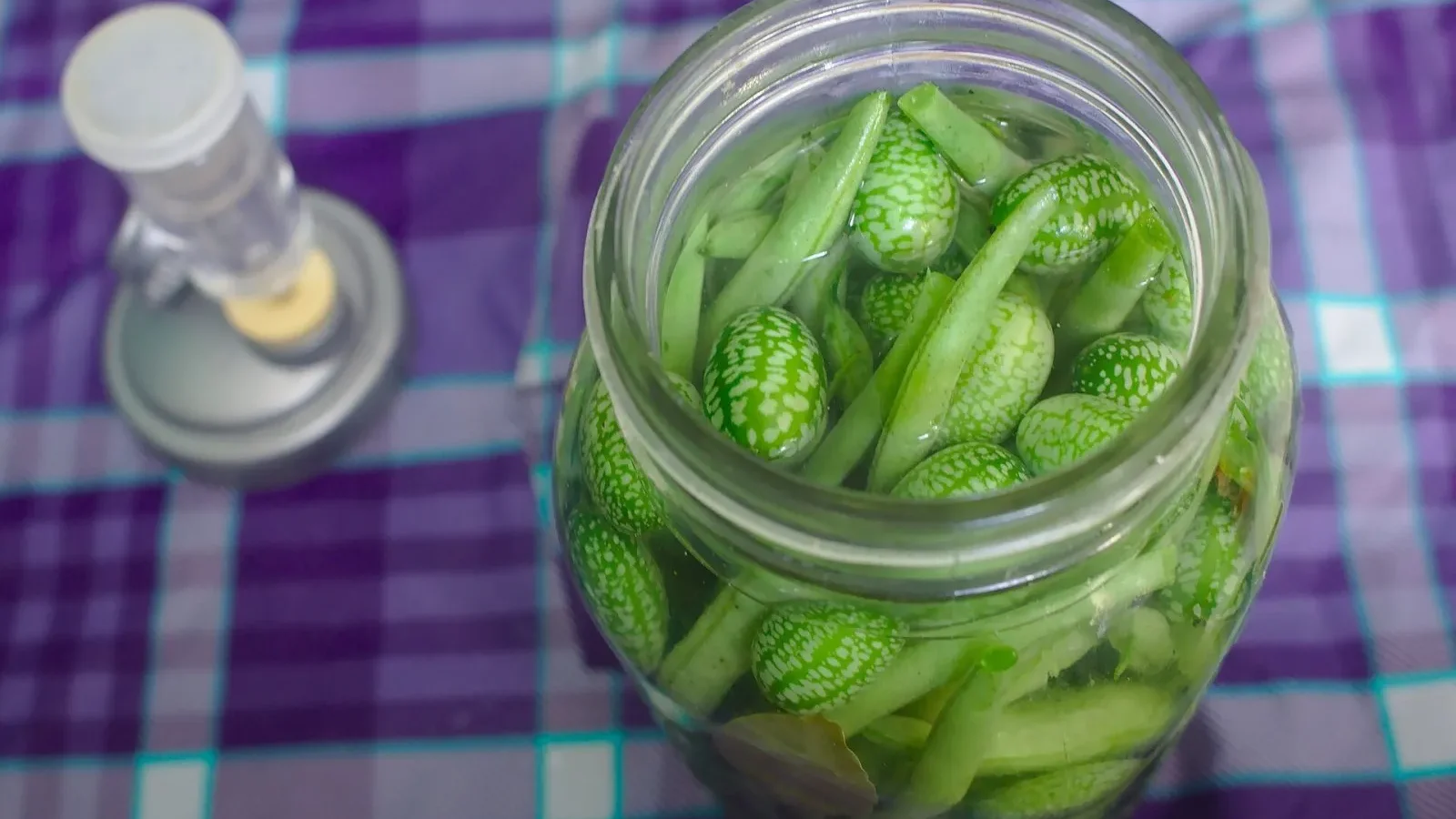
Clean jars matter just as much as the salt ratio. Jars and lids should be washed thoroughly in hot water and, if possible, scalded with boiling water. The vegetables must stay completely submerged in the brine; press down any that float to the surface. Using filtered water instead of hard tap water can give better results. Pickles made with added vinegar are prepared by a different, faster method than fermentation. Tucking garlic, dill, a few dried chickpeas or a couple of grape leaves between the vegetables as you pack the jar both enriches the flavor and helps keep the vegetables crunchy.
Spotting problems and storage
A thin white film on the surface during fermentation is usually harmless and can be skimmed off with a spoon. But colorful, fuzzy mold, a foul or sharp smell, or vegetables that have turned soft and slimy are signs that the pickles have spoiled. In that case, don't eat them; throw them out. When in doubt, it's always best not to take risks. You may also need to open the lid slightly from time to time during fermentation to let gas escape; otherwise the lid may bulge or the brine may overflow. Placing a plate under the jar is a good precaution.
| Topic | Kitchen Techniques |
|---|---|
| Highlights | fermentation, zero waste, seasonal |
| Reading time | 7 minutes |
| Written by | Jake Morales |
Key takeaways
- Lactic acid fermentation gives pickles their sour taste and long shelf life.
- About ¾ to 1 oz (20–30 g) of non-iodized salt per quart (1 liter) is a general guide.
- Colorful mold and a foul smell mean the pickles have spoiled.
Finished pickles should be stored in a cool, dark place or in the fridge. Using a clean fork or spoon when taking pickles out of the jar keeps outside bacteria from getting in. Properly made and stored, pickles keep their flavor for several months. Don't throw away the brine either; it can be used in salads and sauces or enjoyed as a drink. If you love pickles, trying different vegetables and spice mixes in small jars throughout the season is the most enjoyable way to find your own signature recipe.
What do you think about this post?
Leave a comment