





























































Table of contents
The pomegranate is the brightest fruit on November's market stalls. Thought to have spread to the rest of the world from Persia and its surroundings, this ancient fruit has been part of Anatolian tables, and of beliefs about abundance, for thousands of years. Its molasses goes into salads, its seeds into desserts and its juice into sherbets, making it one of the most versatile seasonal ingredients in the kitchen. In this article we explain step by step how to choose a ripe pomegranate at the market, how to seed it without painting your kitchen red and how to make real pomegranate molasses at home. We also share recipes for a chopped tomato, walnut and pomegranate salad, a bulgur salad studded with pomegranate seeds and pomegranate sherbet, and touch briefly on traditional uses for the peel. In short, the pomegranate more than deserves its starring role in the November kitchen.
Choosing and seeding the right pomegranate
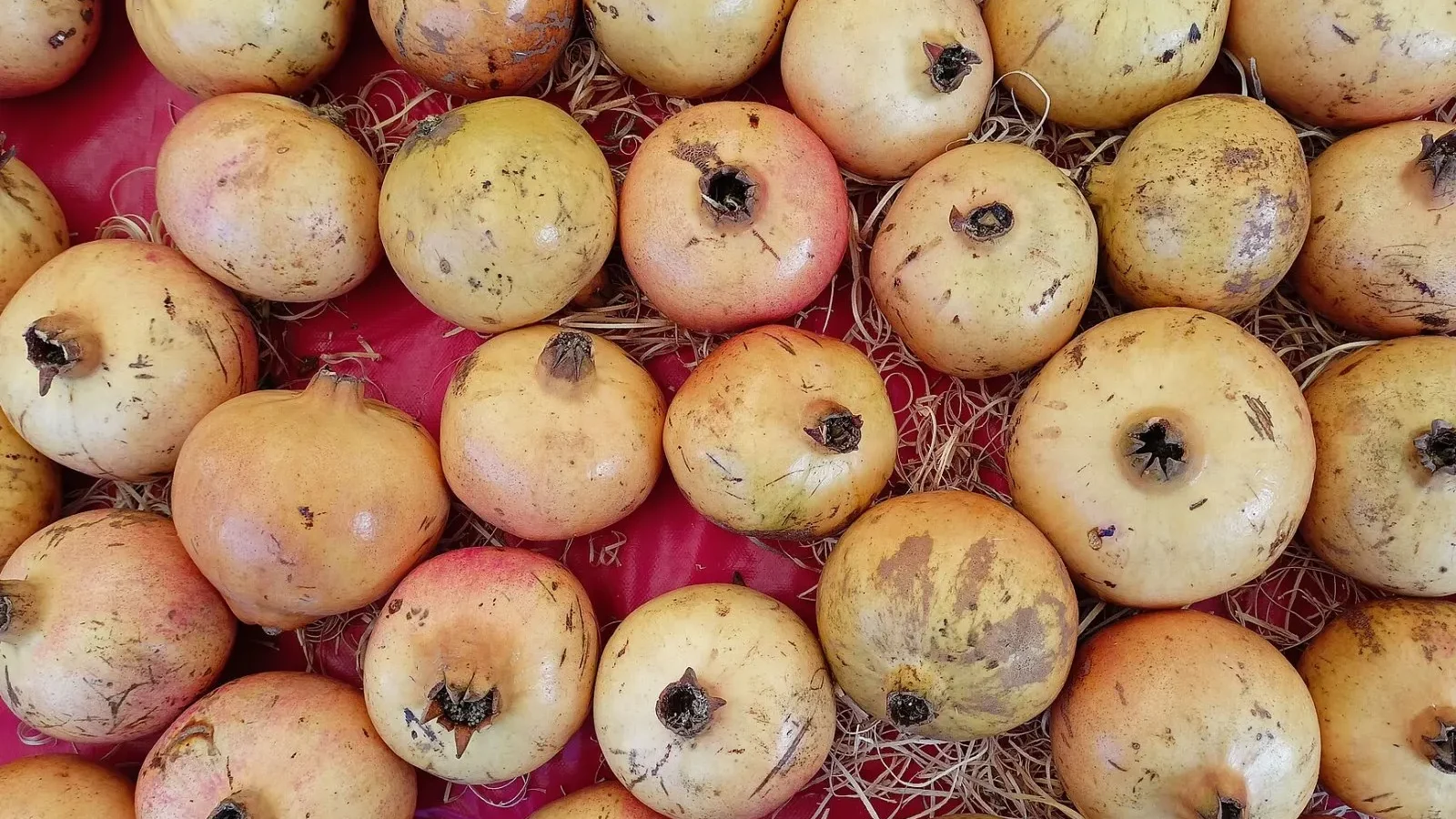
A ripe pomegranate should feel heavy for its size, with taut, glossy skin. A slightly angular shape is a sign that the seeds inside have plumped up. Avoid pomegranates with soft or dark patches on the skin. The cleanest way to seed one is to cut it in half, hold it cut side down in your palm over a bowl and tap the back with a wooden spoon. When choosing a pomegranate, it's better to judge by weight than by the color of the skin, since some varieties stay pale even when ripe.
Another method is to seed the pomegranate in a bowl of water. The seeds sink to the bottom while the white membranes float to the surface and are easy to remove. That way your kitchen doesn't get stained red and the seeds stay intact. Seeded pomegranate keeps for a few days in a covered container in the fridge. You can also freeze the seeds: spread them on a tray, freeze them and then transfer them to a bag, and they'll keep for months. This lets you use pomegranate in desserts and salads long after the season is over.
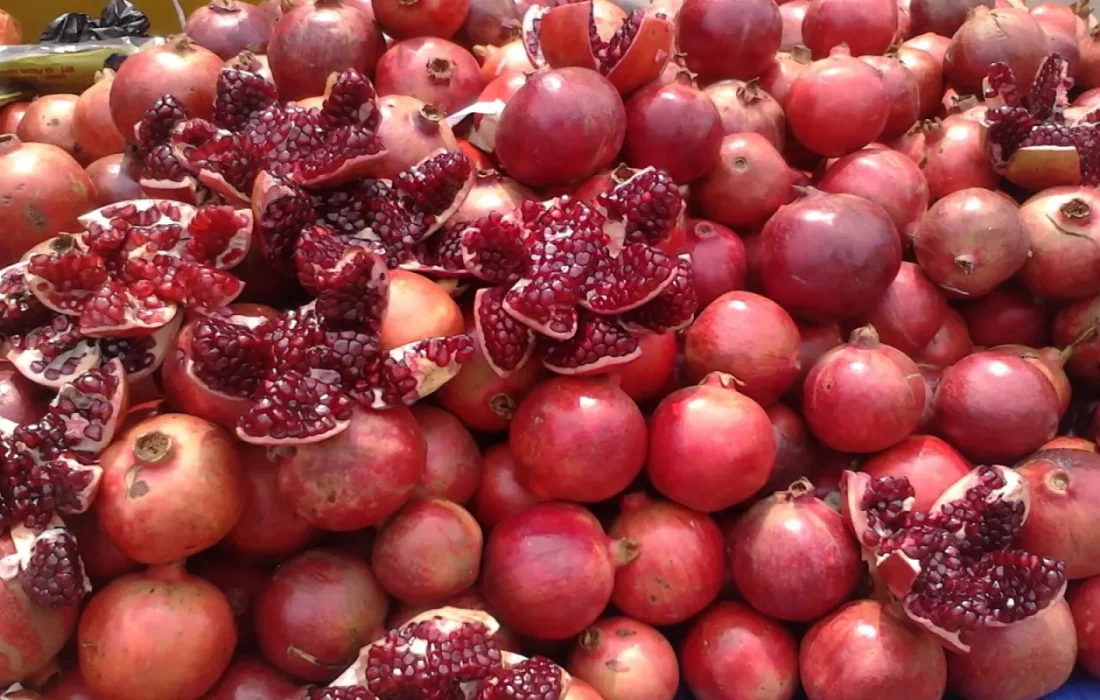
Patience as small as a pomegranate seed, flavor as deep as its molasses.
Emily Carter
Pomegranate molasses, the homemade way
Real pomegranate molasses is made simply by boiling pomegranate juice for a long time until it thickens. Sour pomegranates are seeded and pressed, the juice is strained and then simmered for hours in a wide pot over low heat. As the water evaporates, the juice thickens into a dark burgundy, intense and tart syrup. About 22 pounds (10 kg) of pomegranates yields one or two jars of molasses. Stir the pot from time to time while it simmers and make sure nothing catches on the bottom; the thicker the molasses gets, the greater the risk of sticking.
Keep in mind that some products on store shelves may be pomegranate-flavored sauces with added sugar and acid rather than true pomegranate molasses. It's important to read the label carefully and choose products whose only ingredient is pomegranate. Homemade pomegranate molasses keeps for a long time in sterilized glass jars in a cool, dark place. Real pomegranate molasses is thick and dense, with a taste that's both tart and slightly sweet. It flows slowly off a spoon and looks deep burgundy in the light. These qualities are good clues for recognizing the real thing.
Recipes from salad to sherbet
Gavurdağı salad with pomegranate brings together finely chopped tomatoes, cucumber, onion, parsley and walnuts with pomegranate molasses, olive oil and sumac, finished with a generous scattering of pomegranate seeds. Kısır with pomegranate is made with fine bulgur, tomato paste, pomegranate molasses and fresh herbs, garnished with pomegranate seeds. Both are colorful additions to the November table. With the tartness of the molasses and the sweetness of the seeds, these salads are among the most refreshing plates of the season and bring a light balance alongside the main dishes.
| Topic | In Season |
|---|---|
| Highlights | pomegranate, seasonal, recipe |
| Reading time | 6 minutes |
| Written by | Emily Carter |
Key takeaways
- A ripe pomegranate should be heavy, with taut, slightly angular skin.
- Real pomegranate molasses is made only by boiling down pomegranate juice.
- From salad to sherbet, the pomegranate is the November table's most versatile ingredient.
For pomegranate sherbet, briefly boil freshly squeezed pomegranate juice with a little sugar and a piece of cinnamon, let it cool and serve it cold. Pomegranate peel, meanwhile, has traditionally been dried and used for various purposes. However, anyone wanting to know about using the peel for any health purpose should always consult a specialist. The peel has also traditionally been used to make natural dyes; the yellow and brown shades it produces were favored for dyeing wool and fabric for many years.
What do you think about this post?
Leave a comment