



























































The cast-iron pan guide: tips on seasoning, searing and long-lasting care
Sponsored contentThis content was produced as an advertisement / partnership.
In this guide, created in partnership with Ironhouse Cast, we explain how to use a cast-iron pan properly from day one and keep it going for generations.
Table of contents
Because they hold heat for a long time and spread it evenly, cast-iron pans are among the most versatile tools in the kitchen for searing, frying and baking. A well-cared-for cast-iron pan can be used for generations and, thanks to the natural layer of seasoning that builds up on its surface, becomes less and less sticky over time. But cast iron asks for a different kind of care than the pans most of us are used to. In this guide, created in partnership with Ironhouse Cast, we've gathered everything you need to know, from the first seasoning of a new pan and everyday use to the finer points of searing vegetables and fish, cleaning and preventing rust. We've also noted what to watch out for with acidic dishes.
What makes cast iron different?
Thanks to their thick, heavy build, cast-iron pans hold heat for a long time and spread it evenly across the surface. That makes them ideal for searing and frying, which call for high heat. A cast-iron pan goes easily from stovetop to oven, making it a versatile tool for both. Its weight, however, is something some cooks need to get used to. Because the pan is heavy, holding it with both hands and using a pot holder once the handle heats up are important for working safely in the kitchen.
The surface of a cast-iron pan becomes naturally non-stick thanks to the layer of seasoning that builds up over time. That layer gets a little stronger with every use. Unlike coated pans, cast-iron pans aren't damaged by high heat and can be used for generations with proper care. That's why a cast-iron pan can be seen as a long-term investment in your kitchen. It's normal for the surface to stick slightly in the first few months; with regular use, this resolves itself and the pan becomes smoother and smoother.
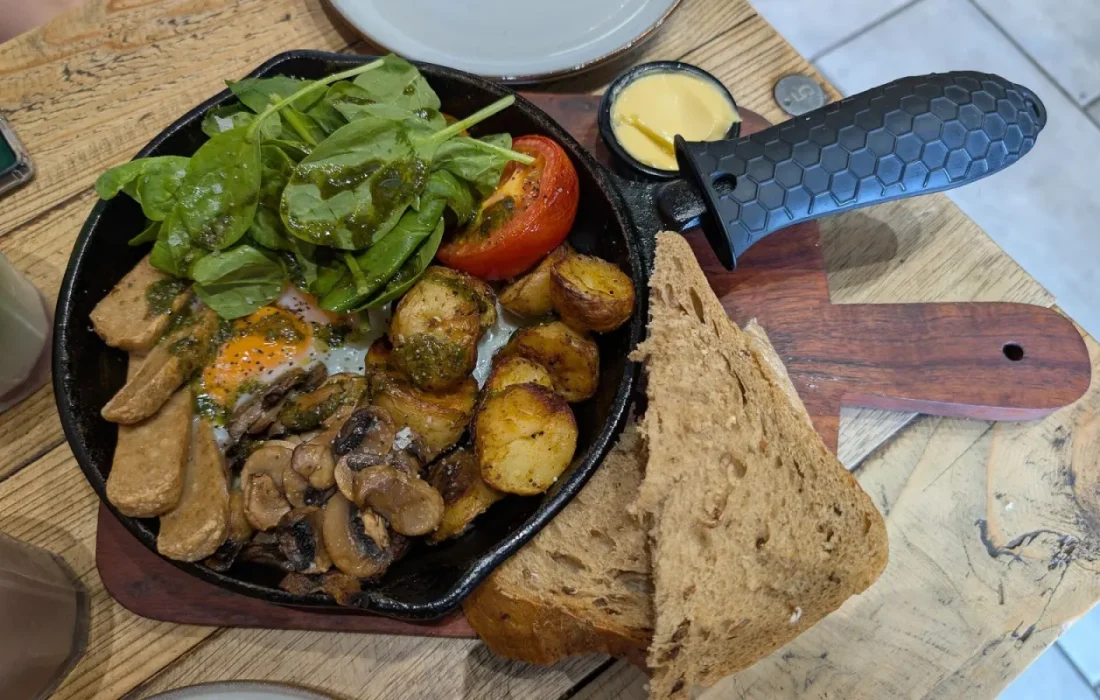
A well-kept cast-iron pan is an heirloom passed down through generations in the kitchen.
Jake Morales
First seasoning and everyday use
Before using a new cast-iron pan for the first time, wash it in hot water and dry it thoroughly. Then rub a thin layer of vegetable oil over the inside and outside and wipe off the excess with a paper towel. Place the pan upside down in a hot oven, around 450°F (230°C), and bake it for about an hour. After turning off the oven, leave the pan inside to cool. This process creates the first layer of seasoning. Repeating it a few times makes the seasoning stronger and more durable and keeps the pan from sticking during its first uses.
When searing in a cast-iron pan, heat the pan thoroughly first; add your ingredients once the oil starts to shimmer and smoke lightly. After you put vegetables, fish or halloumi in the pan, don't turn them right away; once a golden crust forms, they'll release from the pan on their own. Cooking fattier foods during the first few uses helps build up the seasoning. Be careful not to overcrowd the pan when searing; a crowded pan loses heat, so the food steams instead of browning.
Cleaning, rust and care
After using your cast-iron pan, clean it with hot water and, if needed, a stiff brush. Harsh detergents and the dishwasher can damage the seasoning. Dry the pan right after washing and heat it briefly on the stove so all the moisture evaporates. Then rubbing on a thin layer of oil gets the pan ready for next time. When storing it, placing a paper towel in between rather than stacking other pans directly on top prevents scratches and keeps moisture from being trapped.
| Topic | Kitchen Techniques |
|---|---|
| Highlights | recipe, zero waste, olive oil |
| Reading time | 6 minutes |
| Written by | Jake Morales |
Key takeaways
- Cast iron holds heat for a long time and spreads it evenly.
- The first seasoning is done by baking a thin layer of oil onto the pan in the oven.
- After use, dry the pan and rub on a thin layer of oil.
If rust appears on the surface, don't worry; scrubbing the rusty spot with steel wool and repeating the initial seasoning is all it takes. Cooking acidic dishes such as tomato sauce or anything with vinegar in cast iron for long periods can weaken the seasoning, so keep cooking times short for these dishes. You can find detailed information about Ironhouse Cast products at the brand's retailers. With the right use and regular care, a cast-iron pan will become the most dependable tool in your kitchen and stay with you for years to come.
What do you think about this post?
Leave a comment