
































































The camera battle among affordable smartphones
We compared the camera performance of mid-range smartphones in daylight, night and portrait shots. Some models delivered results that rival the flagships.
When buying a smartphone, camera quality is one of the things people care about most. Fortunately, you no longer have to pay flagship prices for a good camera. We tested four popular mid-range models on the same scenes under different lighting conditions. Most of them performed well in daylight, but the real differences emerged at night and in portrait mode. The impact of image processing software was surprisingly decisive.
Daylight shots
For daylight shots, we tested the four phones on the same scenes at the same time: a park, a market, a building facade and a portrait. All of them quickly produced good photos in sunny weather. There were subtle differences in color: one model exaggerated warm tones, while another made greens look a little oversaturated. Two models delivered the most balanced results in terms of dynamic range.
The difference was more pronounced when zooming. The model with 2x optical zoom captured much sharper detail than those using digital cropping. The ultrawide lens was good enough on only two models; on the others, we saw blur and distortion in the corners. Autofocus speed also made a difference. Focus speed and color consistency were among the factors that clearly affected photo quality.
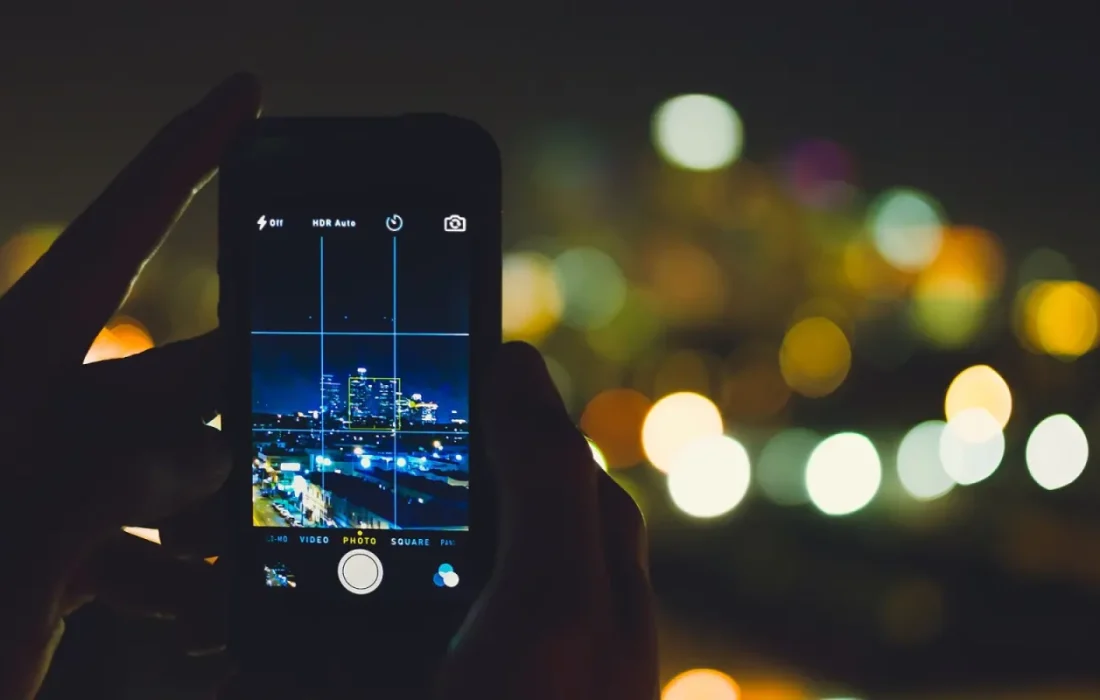
A good camera is now more about software than hardware.
Mark Ellison
Night mode performance
Night mode performance was the real differentiator. In low light, two models combined multiple frames to produce clean, bright results. On the other two, noise and loss of detail stood out, and colors looked faded. In long handheld exposures without a tripod, the stabilization software played a decisive role. How the software made its decisions in these scenes directly determined the quality of the output.
Flare from light sources was also notable in tricky scenes such as streetlights and signs. One model preserved bright areas while lifting the shadows, while another blew out high-contrast scenes and lost detail. In night mode, capture time ranges from one to three seconds; with moving subjects, a long exposure can cause blur. The difference in software is plain to see in these scenes.
Portrait and video quality
In portrait mode, edge detection quality made the differences visible. The blur around strands of hair and glasses frames looked natural or artificial depending on how well the software did its job. One model gave users flexibility by allowing background blur to be adjusted after the shot. Front camera performance was surprisingly good on two models. The difference is immediately noticeable, especially in photos shared on social media.
| Topic | Phones |
|---|---|
| Highlights | camera, smartphone, comparison |
| Reading time | 7 minutes |
| Written by | Mark Ellison |
Key takeaways
- All four models do well in daylight, with different takes on color.
- Night mode and software stabilization make the real difference between models.
- Portrait and video quality depend heavily on image processing software.
On the video side, all four models can shoot 1080p at 24 or 30 frames per second; 4K at 60 frames per second is possible on only two. Stabilization and microphone quality are also differentiators. The overall picture shows that a good camera now owes more to software and image processing than to hardware. That's why you should look at sample photos rather than hardware specs.
What do you think about this post?

Leave a comment