






























































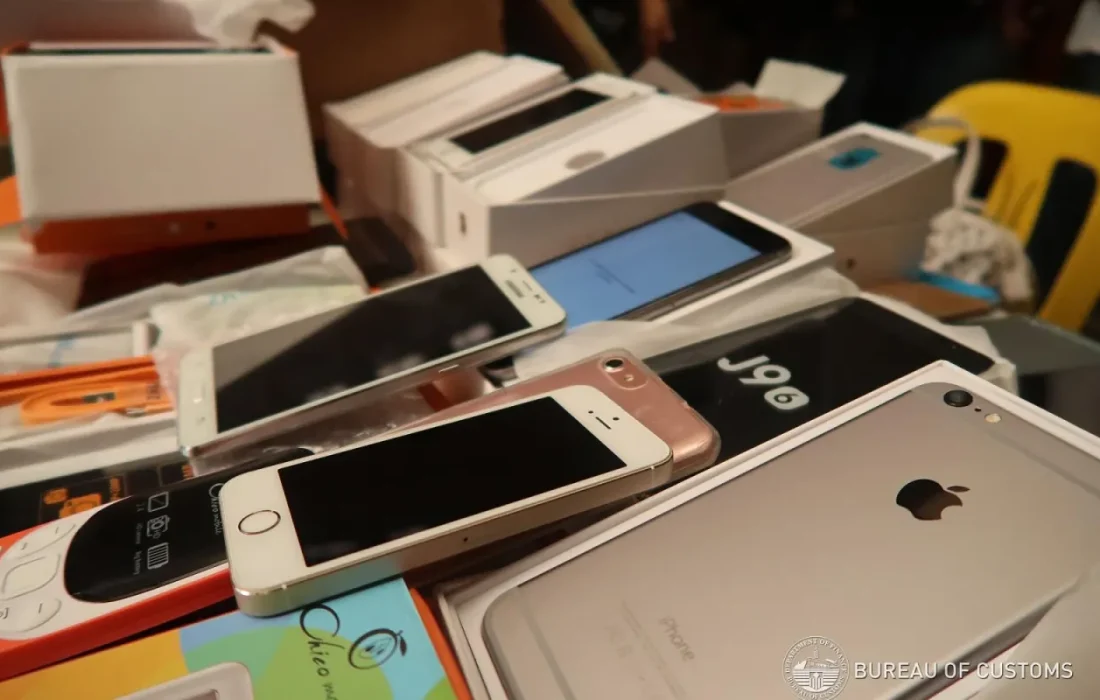
We compared 5 affordable phones: Which is the new king of the mid-range?
We put the five most ambitious mid-range models through camera, battery, display and performance tests. We reveal the winner in the video.

The mid-range is the most crowded and competitive part of the smartphone market. For this comparison, we tested five popular models under the same conditions for two weeks. The differences between them were minimal in daytime photos, but clear gaps emerged in night shots and video stabilization. In battery tests, two models delivered close to a day and a half even under heavy use. Details such as the length of software support and interfaces with built-in ads also played a big part in our verdict.
How we tested
Choosing a mid-range phone is hard because there are so many options. So we held all five models to the same rules: each served as our main phone for two weeks, with the same apps and the same notification settings. Screens were set to the same brightness, and mobile data and Wi-Fi use were kept equal. We used the phones without cases or screen protectors, so we could also assess how durable their surfaces are.
During testing, we scored five categories: camera, display, battery, performance and software. For performance, we used both synthetic benchmarks and long gaming sessions. For battery, we applied a real-world usage scenario instead of an artificial loop: an hour of video, two hours of music, half an hour of navigation and messaging throughout the day. That way, the numbers reflect everyday life, not a brochure.
The right mid-range choice gets you eighty percent of a flagship for half the price.
Mark Ellison
Camera and display comparison
In daylight photos, the differences between the models are genuinely small; night shots, however, changed the picture. Two models suppressed noise well even as the light faded, while on the other three, details softened and colors washed out. Two models also led the way in video stabilization; the remaining three showed clear shake in walking footage. For the camera comparisons, we used a fixed light meter and the same shooting angles.
On the display side, the four models with OLED panels delivered vivid colors. The fifth uses a panel with more muted colors that is nonetheless readable in direct sun. Refresh rates range from 90 to 120 Hz. Only two models had stereo-quality speakers. Ad-laden interfaces and preinstalled apps reached annoying levels on two devices.
The value winner
In the battery test, two models came close to a day and a half even with heavy use; the other three barely made it through a full day. Charging speeds varied too: the fastest model hit 80 percent in half an hour, while the slowest took twice as long. The software update commitment matters as well, since two manufacturers promise four years of system patches while the others settle for two.
| Topic | Phones |
|---|---|
| Highlights | smartphone, comparison, value for money |
| Reading time | 9 minutes |
| Written by | Mark Ellison |
Key takeaways
- All five models were tested for two weeks under the same conditions and with the same apps.
- Daytime photos are similar; night shots and video stabilization differ widely.
- The winner struck the best balance between camera and battery.
Putting all the criteria together, the winner was the model that struck the best balance between camera and battery. The runner-up appeals to multimedia fans thanks to its display and speakers. For those on a tight budget, the two cheapest models are still reasonable, but their short software support could make them more expensive in the long run.
What do you think about this post?

2 Comments
Really useful piece, thank you for putting it together.
I had never thought about this side of it. Looking forward to a follow-up.