
























































From teapot to tulip glass: six golden rules for brewing tea properly
From the type of water to steeping time, the secrets to that deep garnet color. We've gathered the six rules tea masters have followed for years.
Table of contents
Millions of glasses of tea are drunk in Turkey every day, yet a properly brewed cup is harder to get right than you might think. Tea that's bitter, cloudy or pale is usually the result of brewing mistakes rather than the leaves themselves. The hardness of the water, the material of the teapot, the ratio of tea to water, the steeping time and the temperature all directly shape what ends up in the glass. For this article we consulted tea masters and shopkeepers who have run tea gardens for decades, and gathered six basic rules you can follow at home. We cover every detail, from capturing that deep garnet color and keeping the brew fresh to why the tulip-shaped glass is still the best choice.
Water, teapot and tea quality
Rule one: good water. Hard tap water clouds the tea's color and makes it taste harsh; use filtered or spring water if you can. Rule two: the right teapot. Porcelain or enamel teapots hold heat evenly and protect the tea's aroma. Rinsing the teapot with hot water before use keeps the first brew from cooling. Also make sure the kettle underneath never runs dry. The water in the kettle should be fresh, too; reboiling water that has already boiled and cooled flattens the taste of the tea.
Rule three: good-quality, fresh tea. Tea leaves easily absorb moisture and odors, so they should be stored in an airtight, lightproof container away from spices. An open packet of tea loses its aroma within a few weeks. One teaspoon of tea per person is the usual measure for the teapot. Moistening the tea with hot water for a few seconds and pouring the water off before you put it in the teapot helps the leaves open more evenly and takes away the initial bitterness.
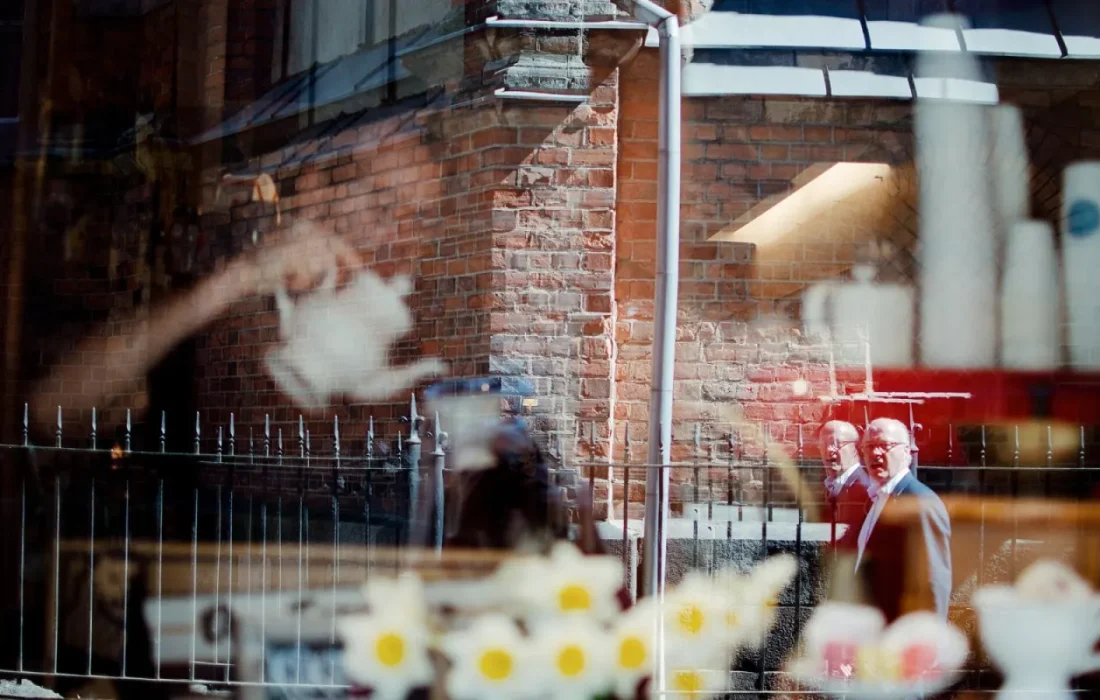
Tea's color feeds the eye, its aroma the soul and its taste the conversation.
Jake Morales
Steeping time and temperature
Rule four: steeping time. Once boiling water has been poured into the teapot, the tea should ideally steep for fifteen to twenty minutes on top of the kettle over low heat, in the traditional double-pot style. Tea steeped for less time won't fully release its color and aroma, while tea left too long turns bitter and dark. It's important to keep the kettle beneath the teapot at a gentle simmer. Steeping time can also vary with the type of tea: finely cut teas brew faster, while large-leaf teas need longer.
Rule five: a fresh brew. Brewed tea starts to lose its flavor once it has been sitting for more than an hour. At a crowded table, the tea should be refreshed constantly, with the old brew poured away and a new one made. Boiling the brew, that is, putting the teapot directly on the heat, makes the tea bitter. Rather than freshening up an old brew by adding a pinch of dry leaves, master tea makers prefer to brew a new pot. That's why, when you have a lot of guests, alternating two teapots is the most practical way to always serve fresh tea.
Glass, color and serving
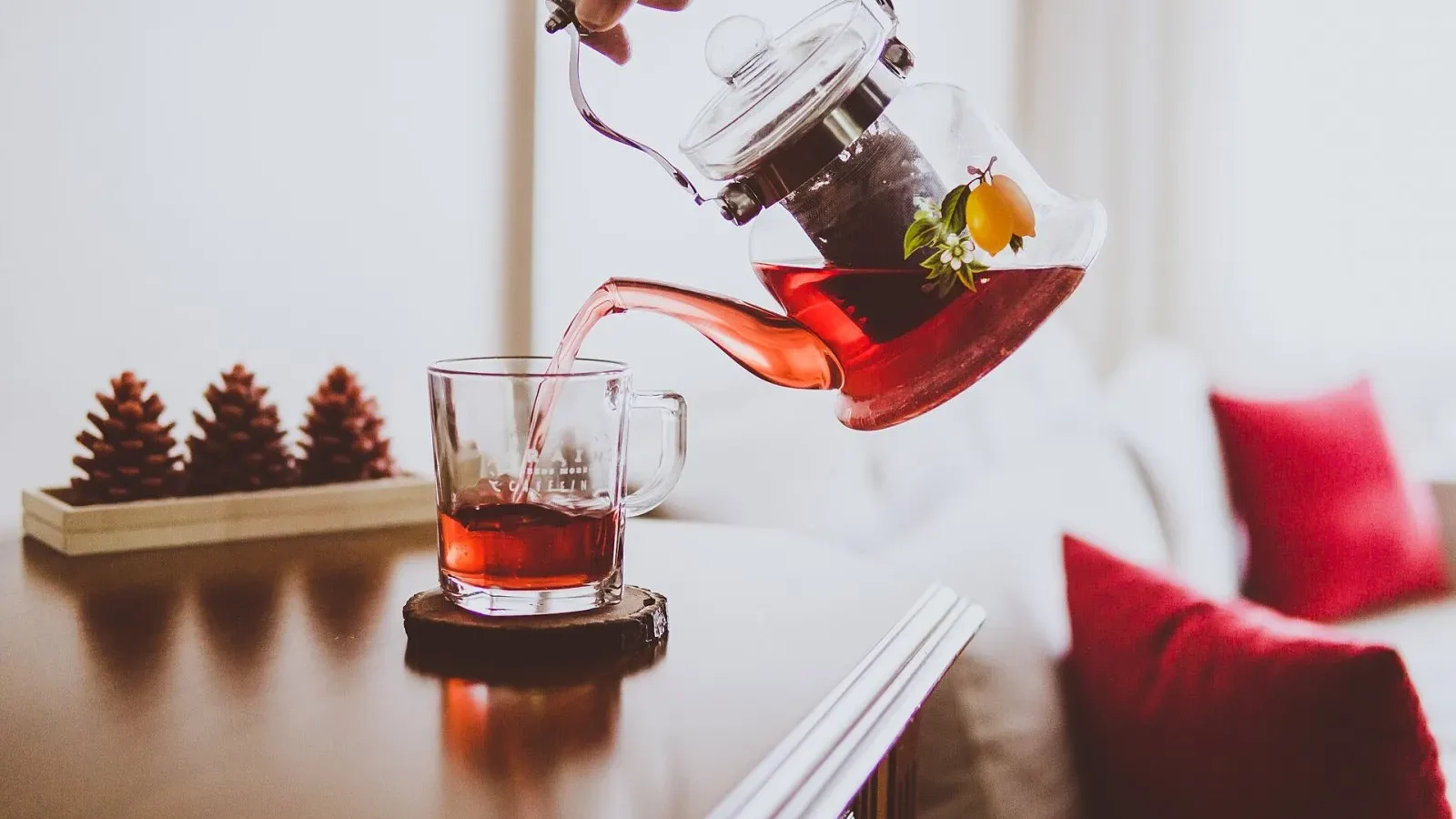
Rule six: the glass and serving. The tulip-shaped glass shows off the tea's color best and is the easiest to hold; thanks to its narrow waist, the tea cools more slowly. Held up to the light, a well-brewed tea is a deep reddish shade often compared to garnet. A very pale color means the brew is weak, while a very dark one means it has steeped too long. Holding the glass by its rim rather than its waist is a traditional habit that keeps you from burning your fingers, which is also why the little saucer is indispensable.
| Topic | Coffee & Tea |
|---|---|
| Highlights | tea, breakfast, spices |
| Reading time | 5 minutes |
| Written by | Jake Morales |
Key takeaways
- Soft water and a porcelain teapot protect the tea's color and flavor.
- A steeping time of fifteen to twenty minutes is ideal.
- Held up to the light, a good brew glows a deep garnet red.
When serving, pour the brew first, then add hot water to make the tea as light or strong as each person likes. Warming the glasses with hot water keeps the tea hot for longer. Sugar should be served on the side and left to each guest's taste. Finally, remember that the most important companion to a good tea is always good conversation. Serving simit, cookies or dried fruit alongside the tea keeps the conversation going and turns tea time into a small feast.
What do you think about this post?
2 Comments
Really useful piece, thank you for putting it together.
I had never thought about this side of it. Looking forward to a follow-up.