



















































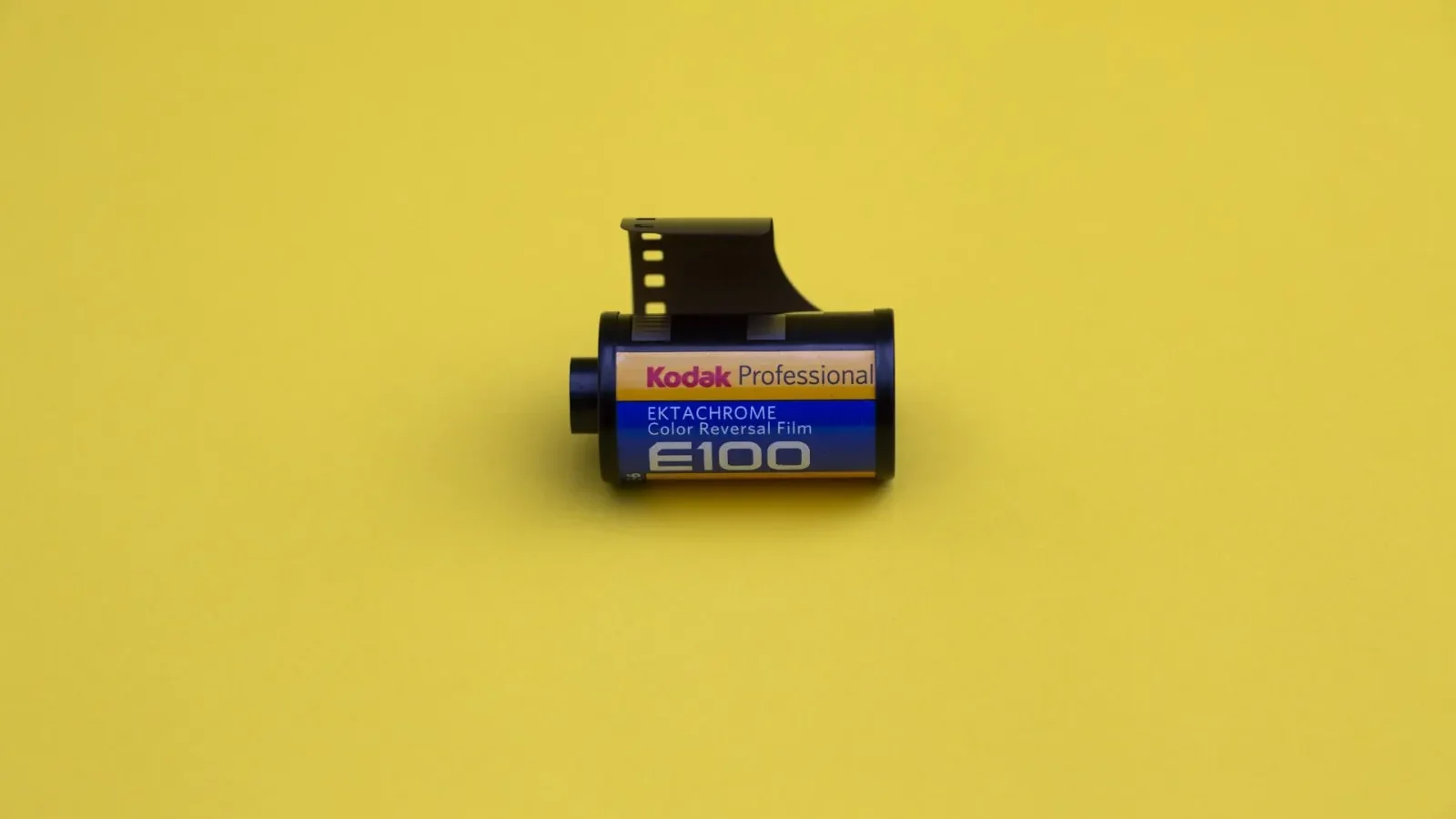
Developing black-and-white film at home: Supply list and a first attempt
From the developing tank to the chemicals, in the video I cover everything you need to develop black-and-white film at home and the mistakes I made on my first try.
After returning to film photography, what I wondered most was whether I could develop my own negatives. With labs becoming scarcer and costs rising, I set up a small developing kit at home. In the video I show every step, from loading the developing tank in the dark and mixing the chemicals to controlling temperature and drying the negatives. I didn't hide the funny mistakes I made on my first try either; I hope they save you from making the same ones.
In this article
- Supply list and cost
- The developing process, step by step
- Scanning and archiving negatives
Supply list and cost
The supply list for developing at home is surprisingly short: a developing tank and reel, a lightproof changing bag or a completely dark room, three chemicals (developer, stop bath and fixer), a thermometer, measuring cups and clips for hanging the negatives. A basic kit can be put together on a budget of around $60.
Choose a well-ventilated space for the chemicals and wear gloves. Store the chemicals only in containers reserved for this purpose, and never mix them up with food containers. It's important to dispose of used chemicals according to local regulations rather than down the household drain. Use cheap film for your first attempt; if you make a mistake, your loss will be small.
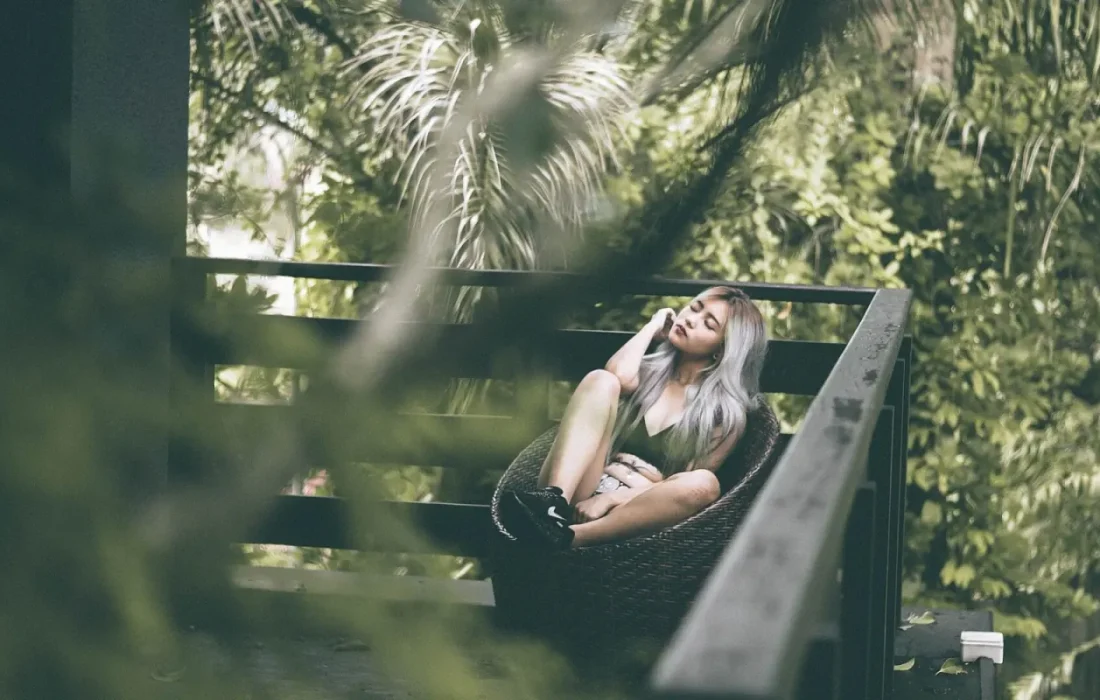
When you hold a negative up to the light for the first time, you rediscover the magic of photography.
Ethan Brooks
The developing process, step by step
The first step of developing is loading the film onto the reel in the dark. I recommend rehearsing this a few times in the light with an old roll first, because the feel of your fingers in the dark is decisive. Once the film is on the reel, it goes into the tank, and once the lid is on, you can switch the light back on. Practicing with an old roll first reduces the fear of losing the real one and gets your hands used to the dark, so I never skip the preparation stage.
Developer time varies with film type and temperature. A good thermometer and a timer are essential. Agitating the tank at set intervals ensures even development. Then comes the stop bath, followed by the fixer and finally a long wash. Keeping the water temperature steady during the wash directly affects the quality of the negatives. In short, developing takes care and order, but it's easy to learn.
Scanning and archiving negatives
Once the negatives are dry, the scanning stage begins. Photographing the negative with a simple light table and a camera is a cheap and effective way to scan at home. To reduce dust, dry the negatives in a clean environment and clean them with an air blower before use. A well-organized archive lets you find the frame you're looking for in minutes, even years later.
| Topic | Analog |
|---|---|
| Highlights | film photography, darkroom, editing |
| Reading time | 8 minutes |
| Written by | Ethan Brooks |
Key takeaways
- For developing at home, a tank, three chemicals, a thermometer and measuring cups are enough.
- Time, temperature and agitation pattern determine the quality of development.
- Drying negatives cleanly and archiving them with notes shouldn't be skipped on a first try.
Archiving is a forgotten but very important step. Store negatives in acid-free, clear sleeves in a cool, dry place. Write the shooting date, film type and developing notes on each roll. On my first attempt, a few frames had fingerprints and water spots on them; these are valuable lessons for next time. The video shows how to avoid these mistakes.
What do you think about this post?
Leave a comment