




























































The first hour after the rain stops is one of the most photogenic moments in the city. Puddles on the sidewalks suddenly become small mirrors, letting you see familiar buildings, people and lights from a completely different perspective. When I shoot these frames, I lower my camera until it almost touches the ground and often think of the frame as an upside-down world. In this post I share reflection techniques, with examples, that you can use even with a phone.
In this article
- Finding the right puddle
- Getting the camera close to the ground
- Thinking of the reflection upside down
Finding the right puddle
Not every puddle gives a good reflection. What I look for are small pools with a calm surface, clean edges and an interesting background around them. A shallow film of water between paving stones and a wide puddle next to a tram line give very different results. I've learned to look at the ground as I walk, and at every street corner I scan the pavement first.
Right after the rain, the sky is often still cloudy, but the light seeping through the clouds adds color to the reflections. In the late afternoon, as the city lights come on, puddles mirror neon signs, streetlights and car headlights. This is the richest time for reflection hunting; colored lights turn into long, bright streaks on the wet ground.
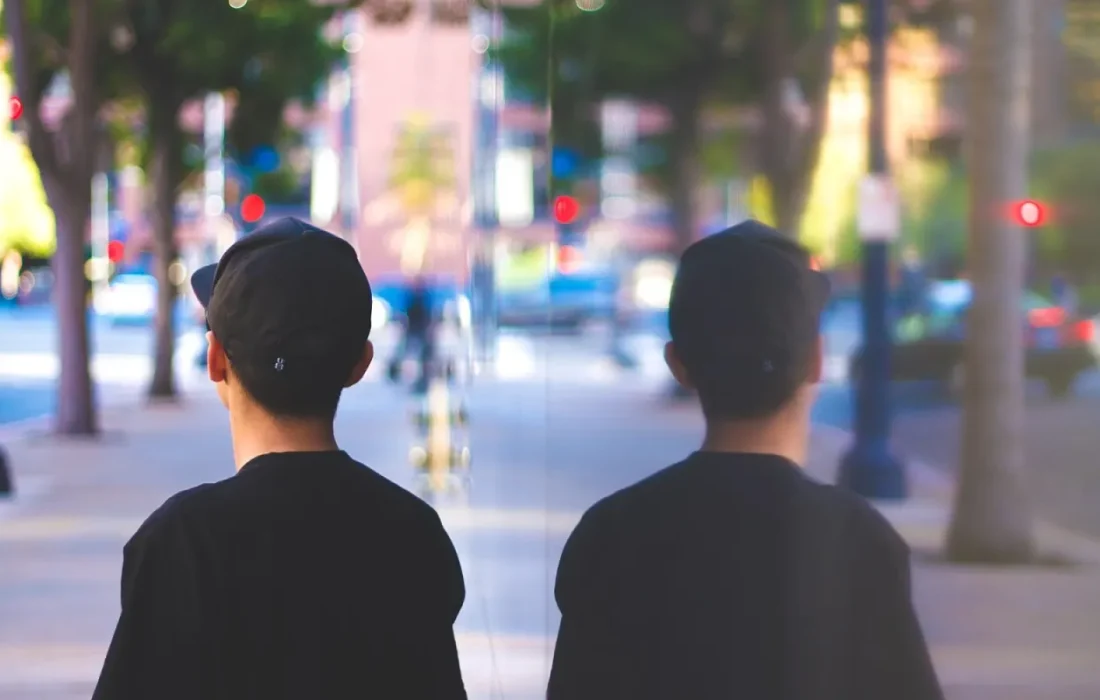
A puddle is the mirror in which the city looks at itself.
Sophie Laurent
Getting the camera close to the ground
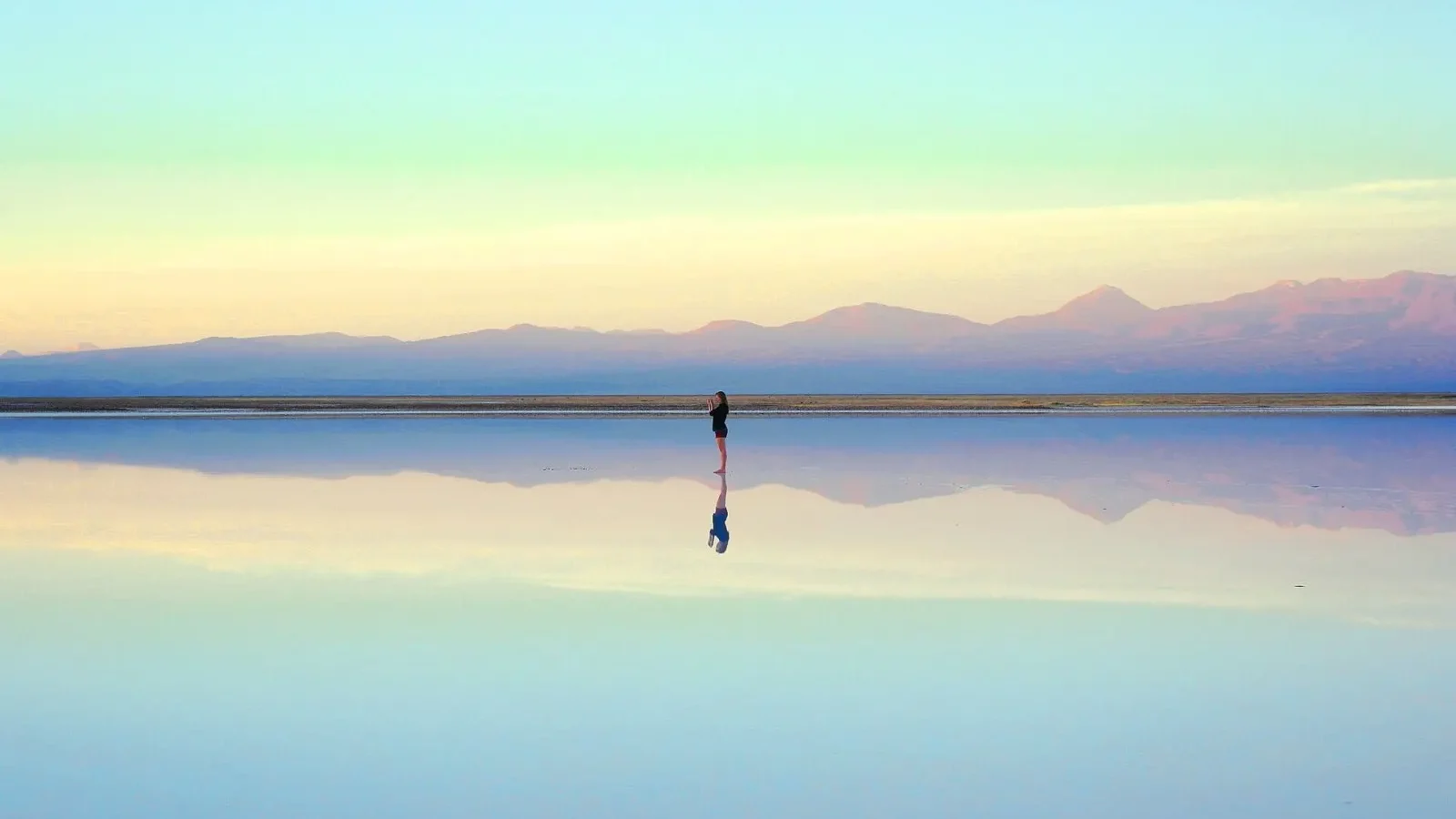
In reflection photography, bringing the camera close to the ground changes the entire frame. When I lower the lens until it almost touches the puddle, the real building and its reflection become the same size, creating a symmetrical composition. Kneeling or lying on the ground may not look elegant, but the result is worth the trouble every time. This short window, before the puddles dry up, is the most precious time for these shots.
If you're shooting with a phone, you don't need a flip-out screen; you can hold the phone directly over the water and bring the lens close to the ground. When I do this, I use a plastic bag and a small cloth to keep the phone from getting wet. A wide-angle lens makes the reflection merging with the ground look more dramatic and makes it easier to fit the edges of the puddle into the frame.
Thinking of the reflection upside down
The most fun part of reflection photography is thinking of the image upside down. When I flip a frame after the shoot, the world in the puddle often looks more interesting than the real one. Sometimes I keep this idea in mind while shooting and compose the frame upside down from the start, with the reflection on top and the real building below. The frame then becomes a whole made of a real scene and its inverted image.
| Topic | City |
|---|---|
| Highlights | street photography, composition, mobile photography |
| Reading time | 5 minutes |
| Written by | Sophie Laurent |
Key takeaways
- Puddles with calm surfaces and interesting backgrounds give the best reflections.
- Bringing the camera close to the water gives the building and its reflection equal weight.
- In the late afternoon, city lights become long colored streaks on the wet ground.
A frame doesn't need a human figure or movement to be good, but if there is one, it strengthens the story. An umbrella passing by the puddle, a bicycle wheel or a running child brings these frames to life. I usually wait ten minutes by the same puddle for the right moment; photo hunting after the rain is a game of patience.
What do you think about this post?
2 Comments
Really useful piece, thank you for putting it together.
I had never thought about this side of it. Looking forward to a follow-up.