





























































I learned that you don't need to rent a studio or buy expensive flashes to shoot portraits thanks to the north-facing window in my living room. Soft, directional window light gives faces a natural depth and often delivers more beautiful results than expensive lighting setups. In this post I explain how the light changes with the window's direction and the time of day, and how I soften shadows with a simple sheet of white card. I also share the most common mistakes people make when shooting portraits at home and how to avoid them.
In this article
- Window direction and time of day
- A white board instead of a reflector
- Exposure and focus point
Window direction and time of day
The direction of window light shapes the character of a portrait at home. North-facing windows give soft, even light all day; east-facing windows bring warm, bright light in the morning, and west-facing ones a harsher, golden light in the afternoon. Observing your home's windows throughout the day before you shoot is a good investment in finding the right time.
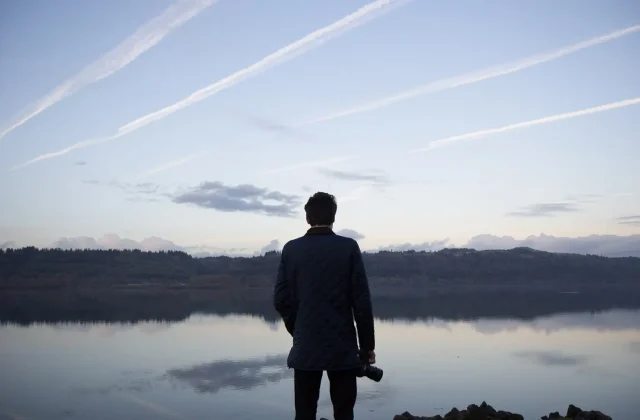
When positioning your subject relative to the window, you have two main options. If they turn side-on to the window, one side of the face is lit while the other falls into soft shadow, adding both depth and character. If they face the window directly, the light is flat and gentle. I usually prefer having the subject stand at a forty-five-degree angle to the window.

The best light source in your home may be the window whose curtains you never open.
Sophie Laurent
A white board instead of a reflector
You don't have to buy an expensive reflector; a sheet of matte white card or a thick foam board does the same job. Bring it close to the shadow side and it bounces light back, softening the dark areas of the face. Move the card away and the effect weakens; bring it closer and it strengthens. With this simple trick you can create completely different moods in the same scene.
Curtains are good light modifiers too. A thin white sheer diffuses direct sunlight and softens shadows, while a heavy curtain narrows the light for a more dramatic look. I recommend switching off the other lamps in the room while shooting, because yellow household bulbs can create unwanted color casts on skin tones and make editing needlessly harder.
Exposure and focus point
The key to exposure is reading the lit side of the face. In window light, the background often stays darker, so the camera's metering may overexpose the face. I usually dial in half a stop to a full stop of negative exposure compensation, then check the histogram on the screen to make sure the skin tones aren't blown out in the highlights.
| Topic | Portrait |
|---|---|
| Highlights | portrait, light, lens |
| Reading time | 6 minutes |
| Written by | Sophie Laurent |
Key takeaways
- A north-facing window provides soft, even portrait light all day.
- White card does the job of an expensive reflector and softens shadows.
- Focus should always go to the eye, especially the one closest to the camera.
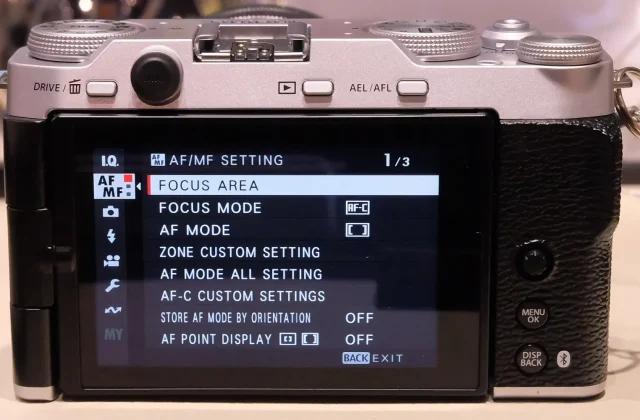
The focus point should always be the eye, especially the eye closest to the camera. Remember that focus errors are more noticeable at wide apertures, so a value between f/2 and f/2.8 often offers a safe balance. Keep chatting with your subject throughout the shoot; the most natural expressions are often hidden in the smile between two poses.
What do you think about this post?
Leave a comment