


















































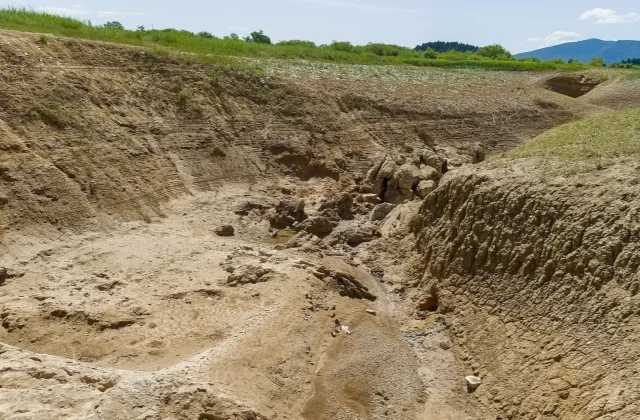
The last wetland on the coast: A stopover on the birds’ migration route is in danger
Home to thousands of migratory birds every year, the wetland is shrinking under the pressure of drought and development. Our photographer documented the site throughout the season.
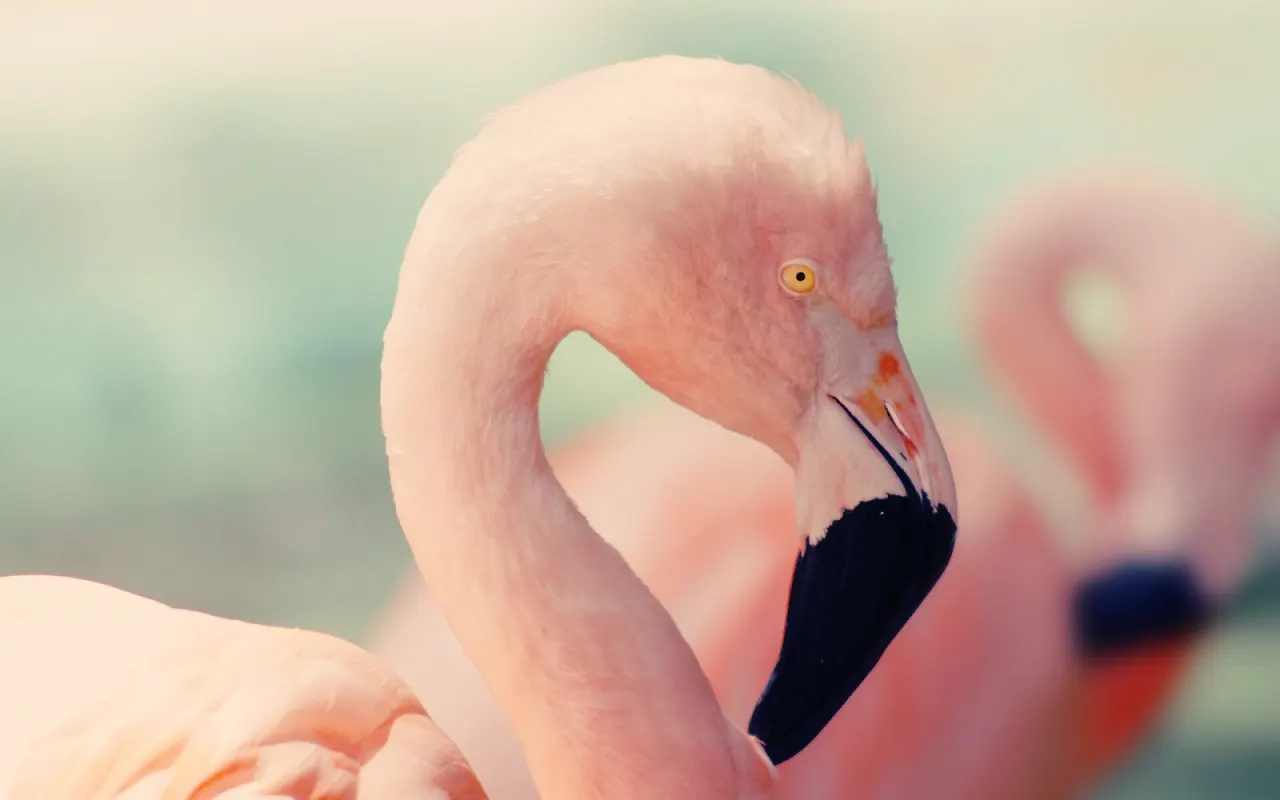
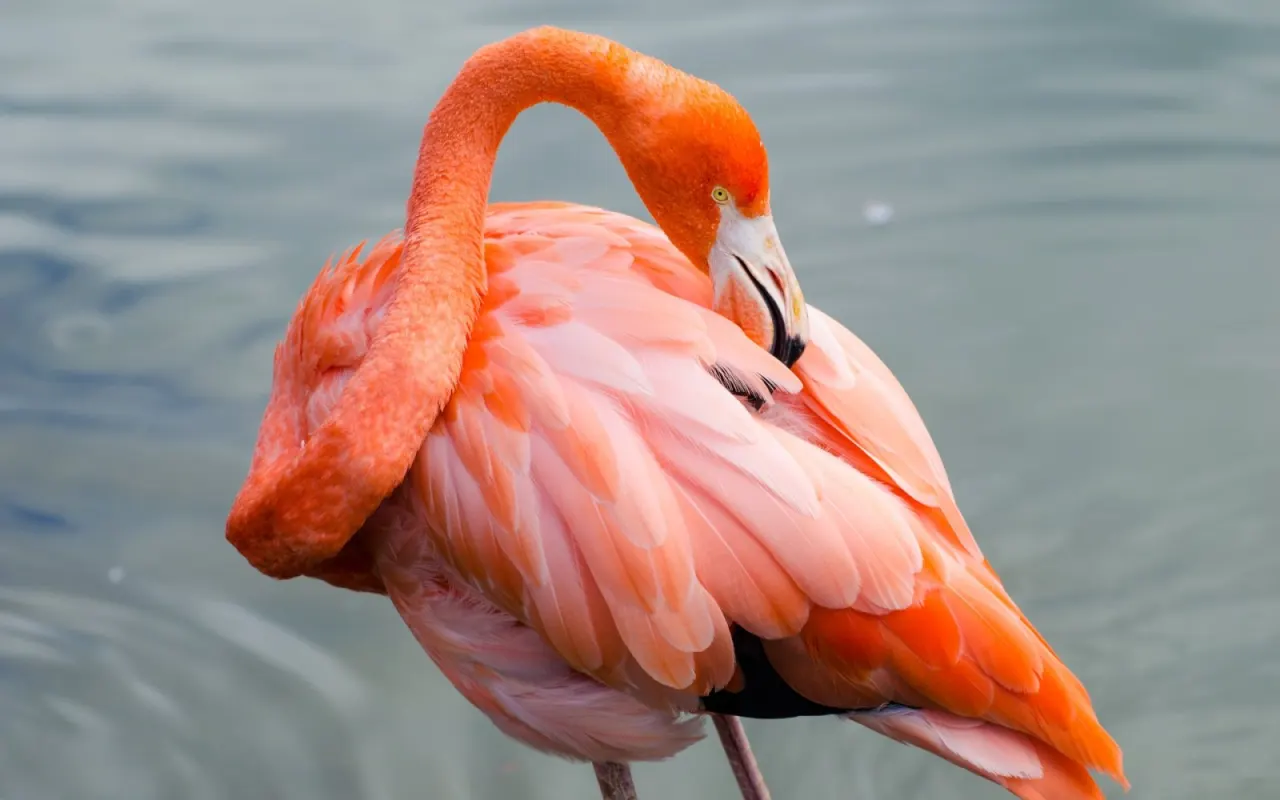
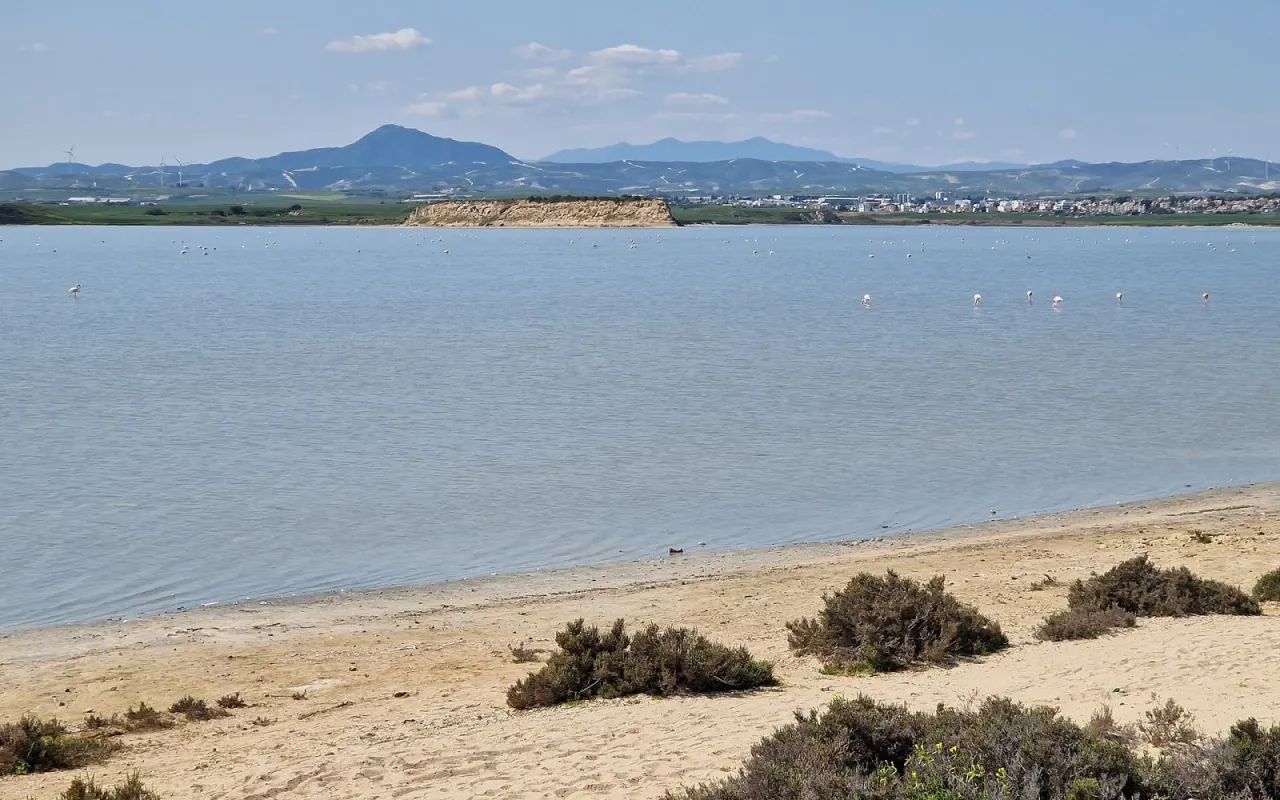
Table of contents
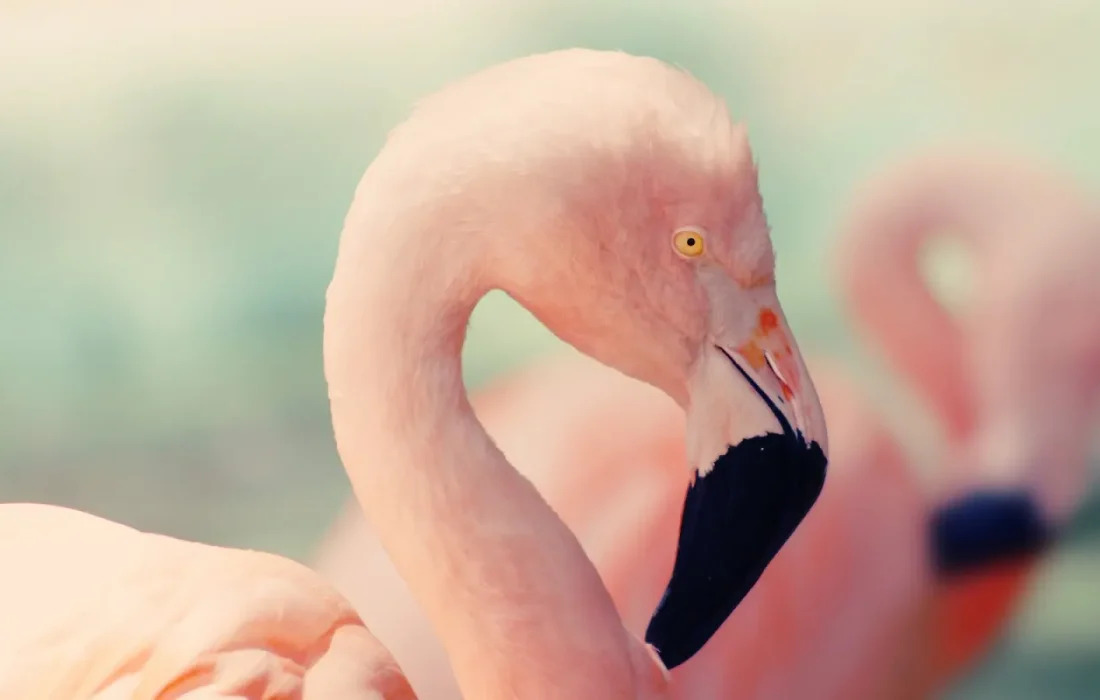
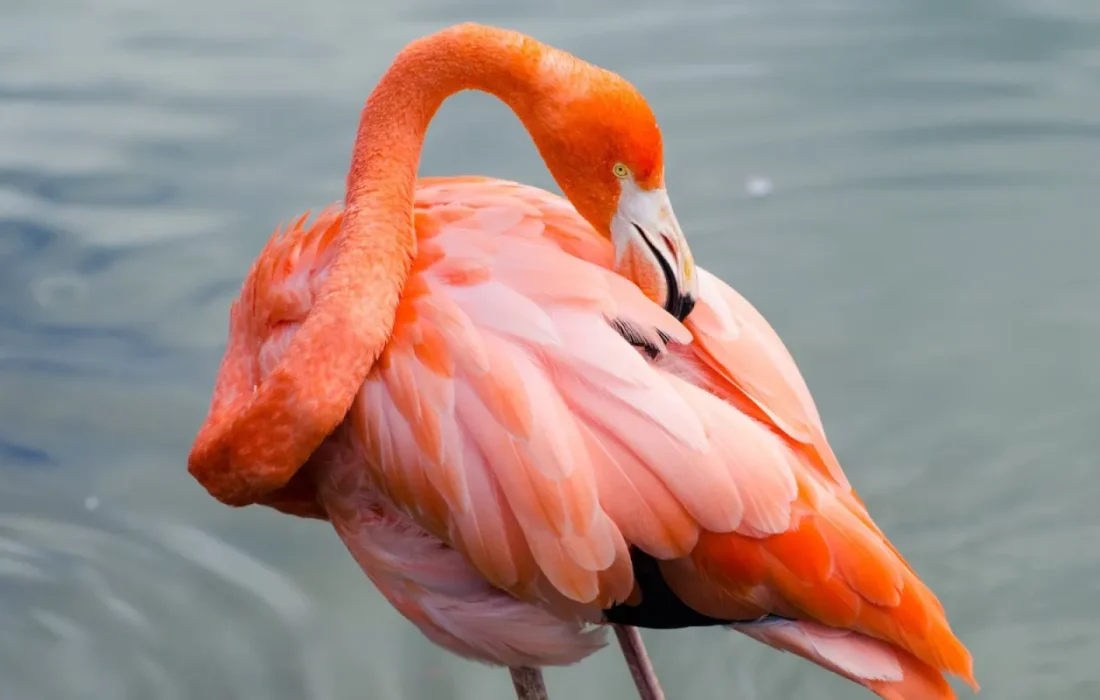
Every autumn, this coastal wetland is a resting point for thousands of birds on the migration route from Europe to Africa. But declining rainfall and rapid development nearby have caused the site to shrink a little more each year. Our photographer Ben Ellis visited the site again and again during the migration season, documenting species from flamingos to herons. Ornithologists warn that losing the wetland would affect not just the area but the entire migration route. The photographs capture what may be the last state of a natural heritage that can still be saved.
A critical stop on the migration route
In autumn, the wetland is a refuge where hundreds of species stop over, from flamingos and herons to ducks and plovers. At the start of the migration season, photographer Ben Ellis went to the lakeshore before dawn and captured the flocks taking off as the sun rose. In his words, the scene is not something that happens overnight but the echo of a migration pattern thousands of years old. In the photographs, the flocks moving at dawn look like a golden line shimmering across the surface of the water.
The site is one link in a chain of stopovers along the migration route. Birds fly long stretches of their intercontinental journeys without resting, so stopover sites are vital. Ornithologists explain that birds that can't find enough food and safe shelter here may be unable to continue, or may grow too weak to reach their wintering grounds. As the refuge shrinks, this link in the chain wears thinner.
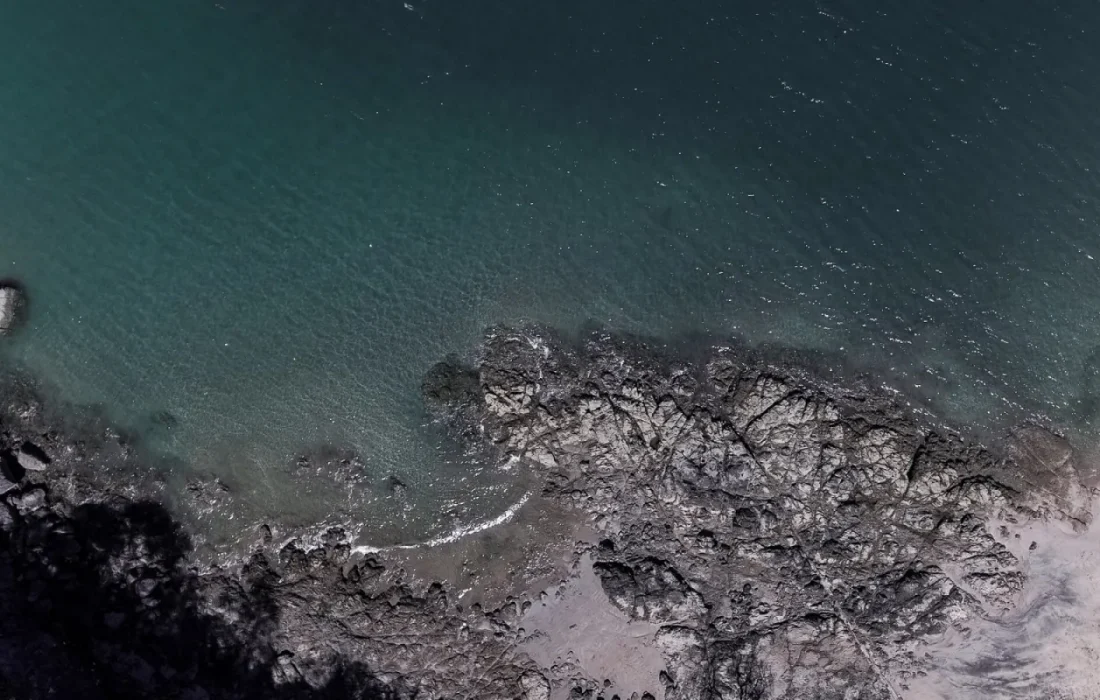
When a wetland disappears, a journey of thousands of miles is cut short.
Ethan Brooks
A shrinking shoreline
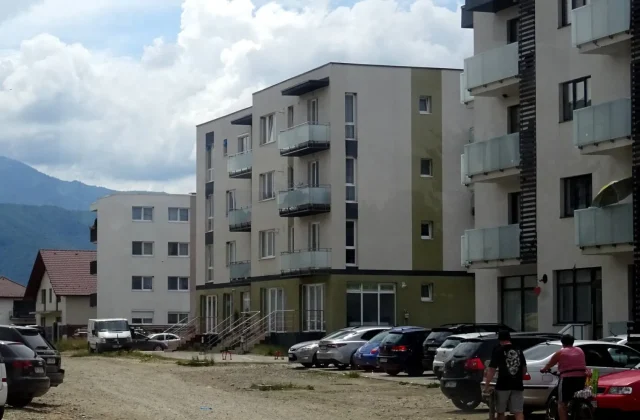
The shrinking shoreline has been documented through yearly observations. Lower rainfall is weakening the site's water supply, while surrounding farmland and new housing projects are closing in around the wetland. In Ellis's photographs, you see a flock of birds on one side and a construction crane rising in the background on the other. The image shows at a glance how close the conflict is on the ground.
Local fishermen have noticed the change too. A villager who makes a living gathering reeds at the edge of the site says the reed beds retreat every year and the birds are crowded into a smaller area than before. In his view, when the birds decline, so does the life of the lake. Fish stocks, insect populations and aquatic plants form one interconnected whole.
Is protected status enough?
The site has protected status, but there are mismatches between the boundaries of that status and the actual wetland. Experts say the shallow shoreline strip where birds feed, which lies outside the protected core, has no protection at all. This strip is the part most exposed to development pressure. They propose expanding the status to protect not only the boundaries but also the flow of water.
| Topic | Environment |
|---|---|
| Highlights | climate crisis, drought, transparency |
| Reading time | 5 minutes |
| Written by | Ethan Brooks |
Key takeaways
- The wetland is a critical stop on the migration route from Europe to Africa.
- Falling rainfall and nearby development shrink the shoreline every year.
- Experts propose extending protected status to the shallow shoreline strip.
Conservation efforts also include monitoring water sources, creating a buffer zone and setting up birdwatching points with the involvement of local residents. Ellis's photographs show that these options are still viable. The site has not been lost yet. The final frames in the gallery show the flocks landing on the water at dawn and ask the viewer whether this scene will still happen tomorrow.

Leave a comment