




















































The hidden side of urban renewal: Tenants uprooted from their neighborhoods
As renewal projects rebuild homes, tenants who have lived in the same neighborhood for years are being forced to leave. We gathered their stories and urban planners' proposals.
Table of contents
Urban renewal projects launched to counter earthquake risk are replacing thousands of old buildings with safer ones. But the most vulnerable people in this process are usually the tenants. In fieldwork across three districts, we found that only a small share of tenants were able to keep living in the same neighborhood after redevelopment. Families whose rent doubled or who could not afford the new homes have been forced to move away from their children's schools and the neighborly ties they had built over many years.
A neighborhood transformed
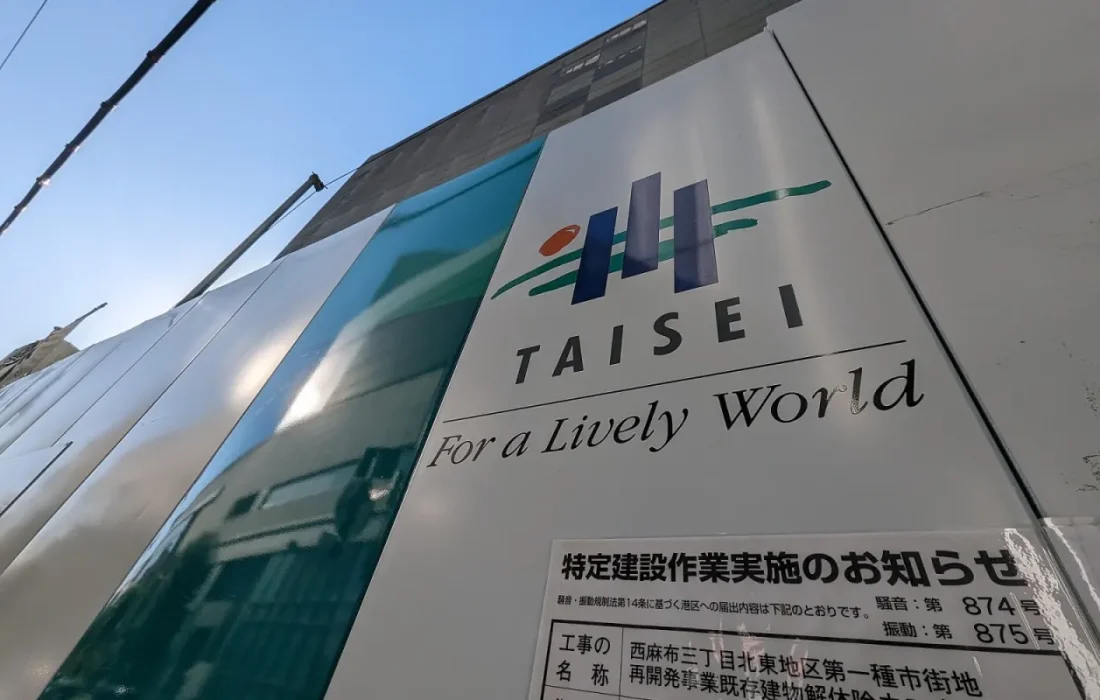
In the neighborhood where the renewal project began, the first sign was eviction notices posted at building entrances. Walking down the street, we saw suitcases still propped against the doors of tenants who had lived there for many years. Before the demolition crews arrived, many families had spent weeks searching for a new home, only to realize it was almost impossible to find a rental in the same neighborhood.
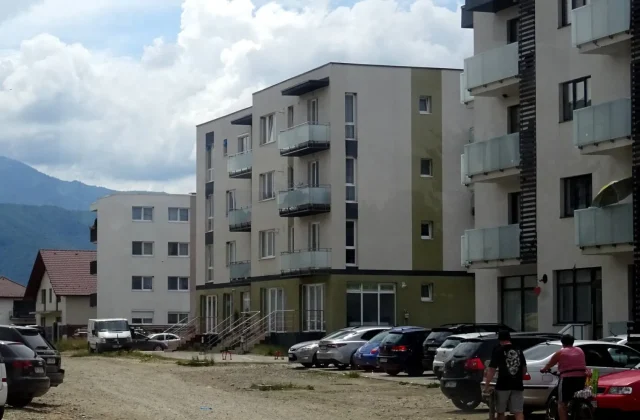
The neighborhood's new look is striking. Old two-story houses have been replaced by eight-story complexes with gardens, and new cafés and shops have multiplied along the main street. Project managers say renewing unsafe buildings was unavoidable and that making them earthquake-resistant is the most important gain. Tenants accept that argument too; what they object to is the process.
The building was renewed, but our lives were torn up by the roots.
Sarah Bennett
The tenants' stories
Unlike property owners, tenants have no say in the renewal process. The right to sign an agreement, to a share of the new housing or to rental assistance is mostly granted to the owner. Nearly twenty tenants we spoke with in three districts say notice came at short notice and that rental assistance falls far short of the rents in the new neighborhood.
One mother says she had to move her children to a new school and, with no neighbors in the new area, has to leave them alone in the evenings. An elderly tenant's voice falters as he explains that he shopped at the same corner store for forty years and now no one knows his name. These stories are a reminder that the social cost of renewal has a side that can't be measured in numbers.
Is a rights-based renewal possible?
Urban planners argue that rights-based renewal is possible, but that the process has to be designed that way from the start. Their main recommendations are to involve tenants in the process, cap rent increases for a set period after redevelopment and provide temporary housing within the neighborhood. Some countries require renewal projects to include a set share of social housing.
| Topic | Society |
|---|---|
| Highlights | urban renewal, investigation, migration |
| Reading time | 11 minutes |
| Written by | Sarah Bennett |
Key takeaways
- Only a small share of tenants manage to stay in the same neighborhood after renewal.
- Rental assistance falls short of rent levels in the new neighborhood.
- Experts propose a phased model that brings tenants into the process.
Applying these examples directly here would require legislation, funding and local government capacity. Planners stress that renewing unsafe buildings is a safety imperative, and that this imperative must not be carried out at the cost of uprooting people from their neighborhoods. At the end of our report, we look at a small-scale renewal model in which tenants also have a say, and at its limits.

Leave a comment