


























































5 things not to do when your sink is blocked
A blocked sink is frustrating, but some hasty fixes can make the problem worse.
Table of contents
Water draining slowly from the kitchen sink or bathroom basin is a problem most homes run into from time to time. The first reaction is usually to grab a strong chemical drain cleaner from the store or whatever tool is at hand. But while some methods bring short-term relief, they can damage pipe seals, push the blockage deeper or even pose a health risk. In this article, we share the mistakes our technicians see most often in the field, along with simple habits that help prevent blockages.
Chemical drain cleaners
Strong acidic or alkaline drain cleaners may dissolve the surface of a blockage, but they can damage pipe seals and old metal lines. If the blockage doesn't clear, the chemical sits in the drain with the water and becomes a hazard for whoever deals with it later. Never use different chemicals one after another, as this can produce toxic gas.
Pouring boiling water straight into PVC drains isn't recommended either; the high temperature can loosen pipe joints. Hot tap water is a safer option for softening some of the grease build-up.
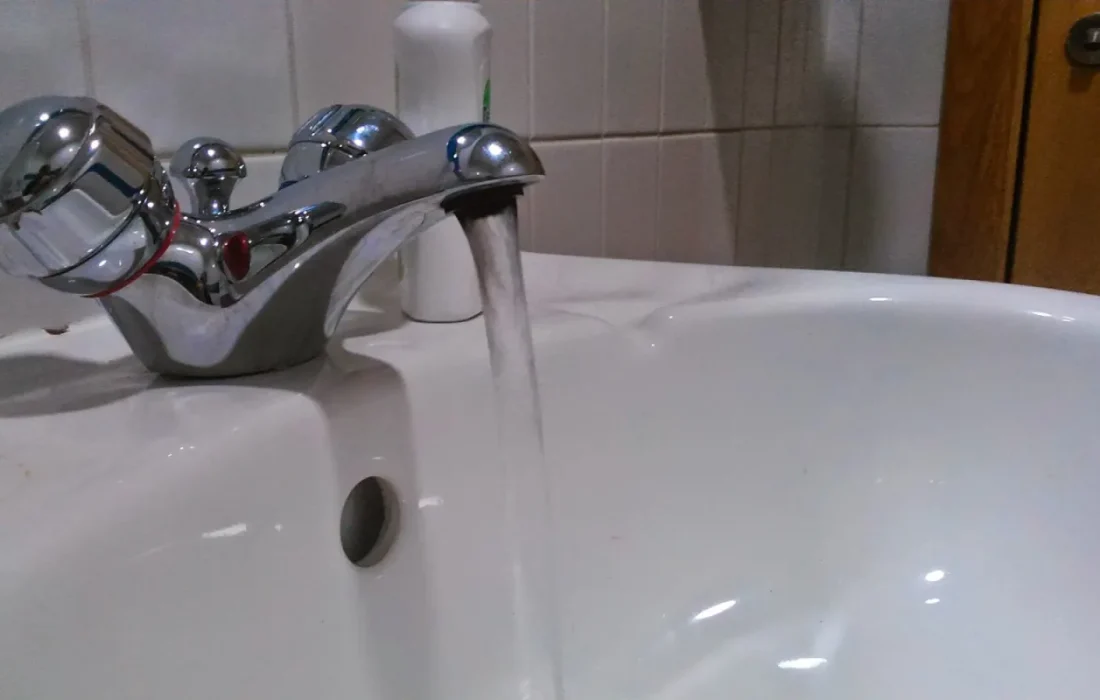
Understanding why a blockage formed matters as much as clearing it.
Sophie Laurent
The wrong tools and methods
Poking at a drain with hard tools such as a wire hanger or skewer can push a blockage in the trap deeper, or scratch the trap and create surfaces for new deposits to cling to. When using a plunger, failing to block the overflow lets the pressure escape, so it won't work.
Removing the trap works in some cases, but if the seals aren't seated properly when it goes back on, water can start leaking into the cabinet. Putting a bucket underneath and photographing where the seals sit before you remove the trap makes refitting easier. If the blockage is in the line beyond the trap, it's hard to clear with household tools.
The right approach and prevention
If a plunger or cleaning the trap doesn't clear the blockage, mechanical clearing with a drain machine is the safest option. For recurring blockages, a camera inspection shows whether the problem has a structural cause, such as an incorrect fall, a collapse or root intrusion.
| Topic | Plumbing |
|---|---|
| Highlights | blockages, kitchen, bathroom |
| Reading time | 4 minutes |
| Written by | Sophie Laurent |
Key takeaways
- Using different chemical drain cleaners one after another is dangerous.
- Hard tools can push a blockage deeper; mind the seals when removing the trap.
- Keeping grease out of the drain and using hair catchers prevents most blockages.
To prevent blockages, don't pour grease down the kitchen sink; collect used oil in a separate container for recycling, use hair catchers in bathroom and shower drains, and flush the lines with hot water once a month. Coffee grounds and food scraps belong in the trash, not the drain.
2 Comments
Really useful piece, thank you for putting it together.
I had never thought about this side of it. Looking forward to a follow-up.