
























































How does replacing an indoor gas installation work?
Every change to a natural gas installation requires an approved contractor and approved plans. We walk you through the process step by step.
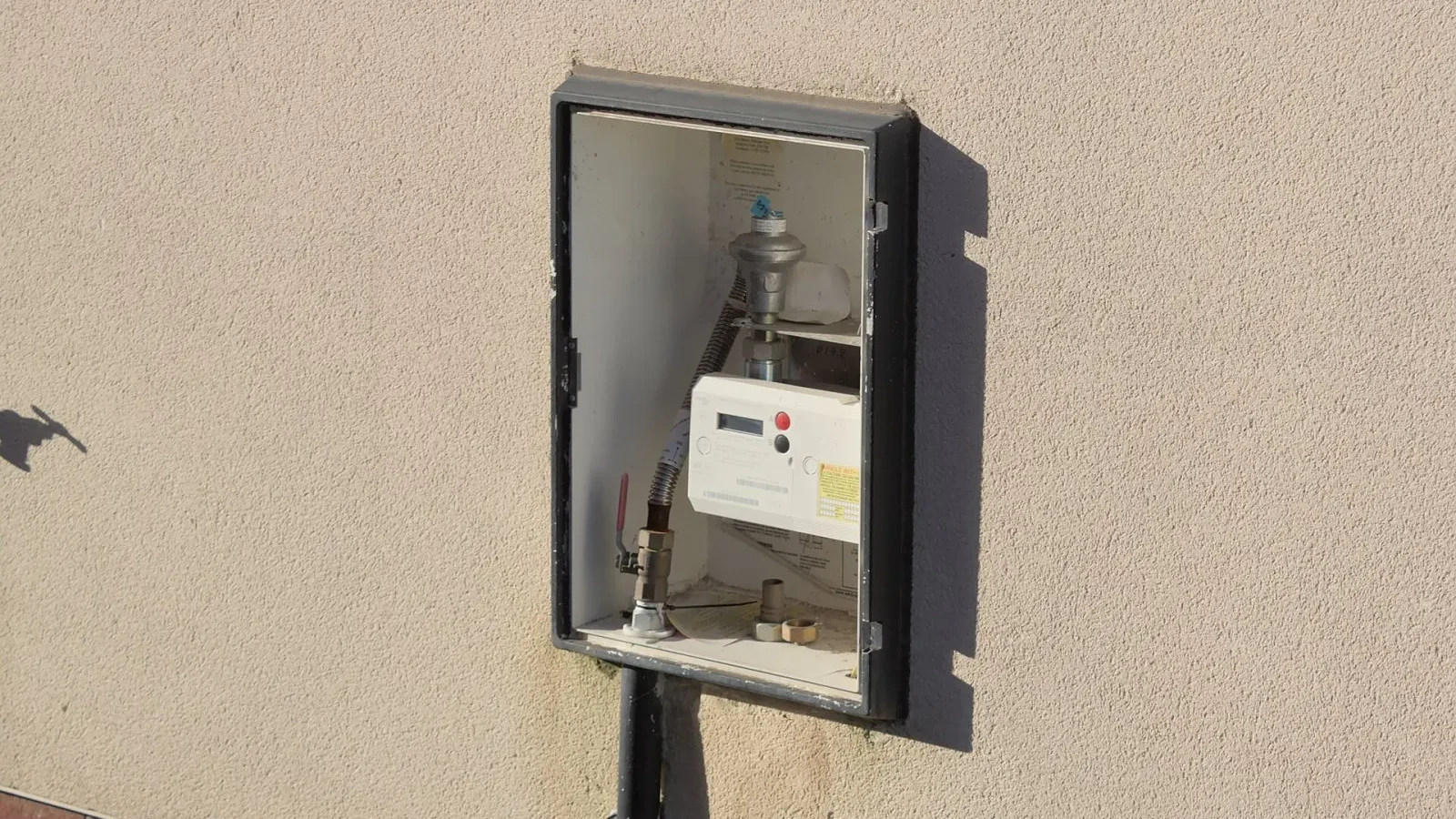
Table of contents
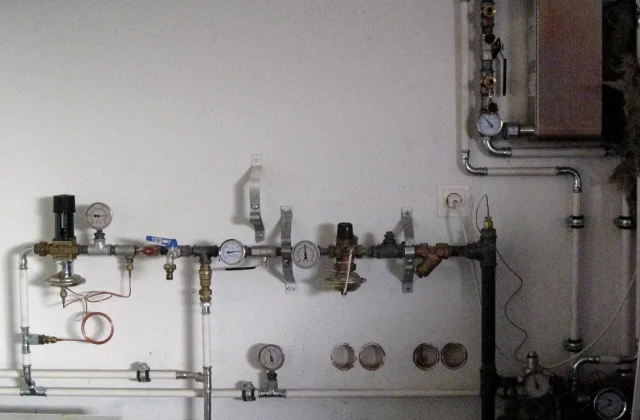
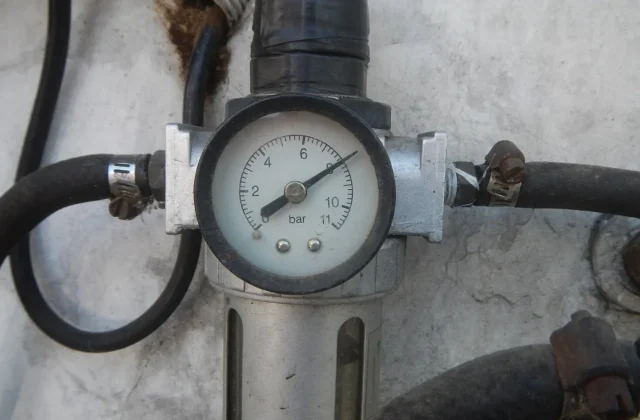
Moving a combi boiler, relocating the cooktop connection during a kitchen renovation or replacing an aging installation… For safety reasons, any work that touches an indoor natural gas installation must follow a set procedure. That procedure requires the work to be designed and carried out by a contractor approved by the gas utility, and then inspected by the utility. In this article, we explain why an approved contractor is essential and the stages involved in replacing an indoor gas installation.
Why you need an approved contractor
Indoor natural gas installations are subject to many technical rules covering pipe sizes, valve locations, ventilation and flue requirements. To make sure these rules are followed, gas utilities approve the contractors who carry out indoor installation work and inspect every job they do. Changes made by unauthorized people put lives at risk.
Unapproved changes to an installation can also lead to the gas being cut off if the utility discovers them. Approved plans matter for insurance and for liability after any accident, too. That's why you should always use an approved contractor, even for a small extension.
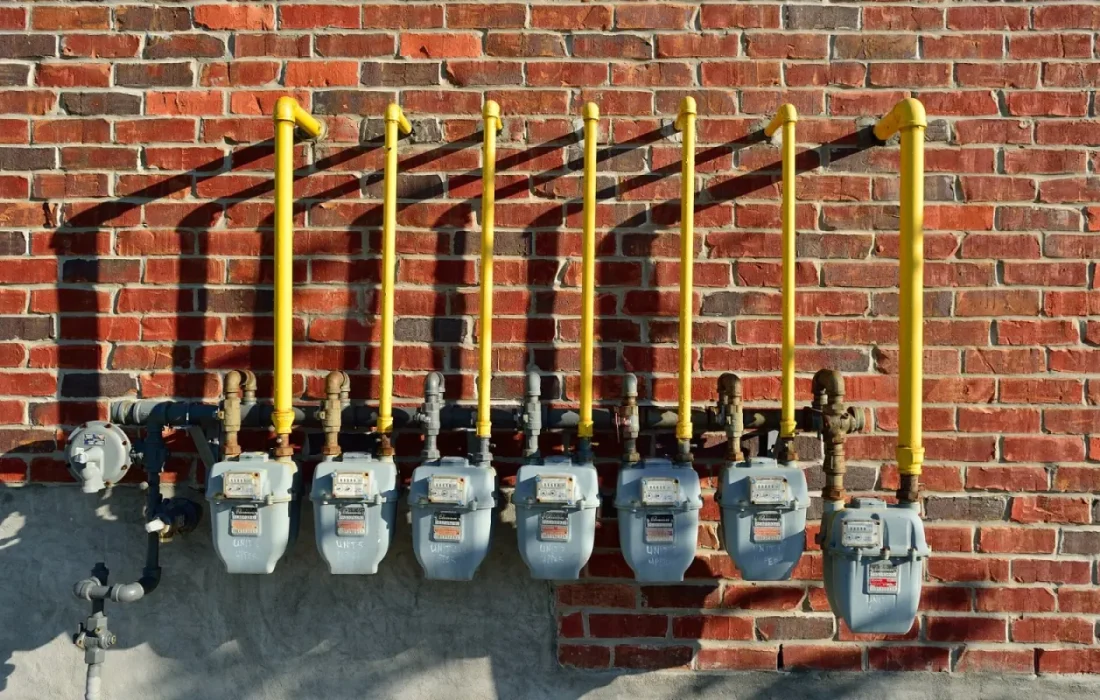
There are no shortcuts with natural gas; every step must be approved.
Mark Ellison
Design, installation and testing
The process starts with a site survey: appliance locations, flue suitability and the pipe route are agreed. The approved contractor's engineer then prepares the plans and submits them to the utility for approval. Once approved, the installation is carried out exactly as shown on the plans, using materials that meet the standards.
When the installation is complete, it undergoes a tightness test. If the test is passed, an inspection appointment is requested from the utility. The inspection engineer checks on site that the installation complies with the plans and the rules; if anything is missing, it must be put right.
Gas connection and beyond
Once the installation passes inspection, the meter is fitted and the gas is turned on. The combi boiler and other appliances are then commissioned; for the appliance warranty to start, commissioning may need to be done by an authorized service agent. At this stage, it's important that you're shown how to use the appliance safely.
| Topic | Natural Gas |
|---|---|
| Highlights | natural gas |
| Reading time | 6 minutes |
| Written by | Mark Ellison |
Key takeaways
- Indoor gas work may only be carried out by contractors approved by the gas utility.
- The process covers the site survey, plan approval, installation, testing and inspection.
- If you smell gas, your first call should be to the gas utility's emergency line.
Once the installation is up and running, knowing where your gas valves are, having your boiler serviced once a year and getting the flue connections checked are the basics of safe use. If you smell gas, open the windows without touching any electrical switches, turn off the valve and call the gas utility's emergency line.
2 Comments
Really useful piece, thank you for putting it together.
I had never thought about this side of it. Looking forward to a follow-up.