


















































Why does combi boiler pressure drop, and what should you do?
If your boiler's pressure gauge keeps dropping, simply topping it up with water is only a temporary fix.
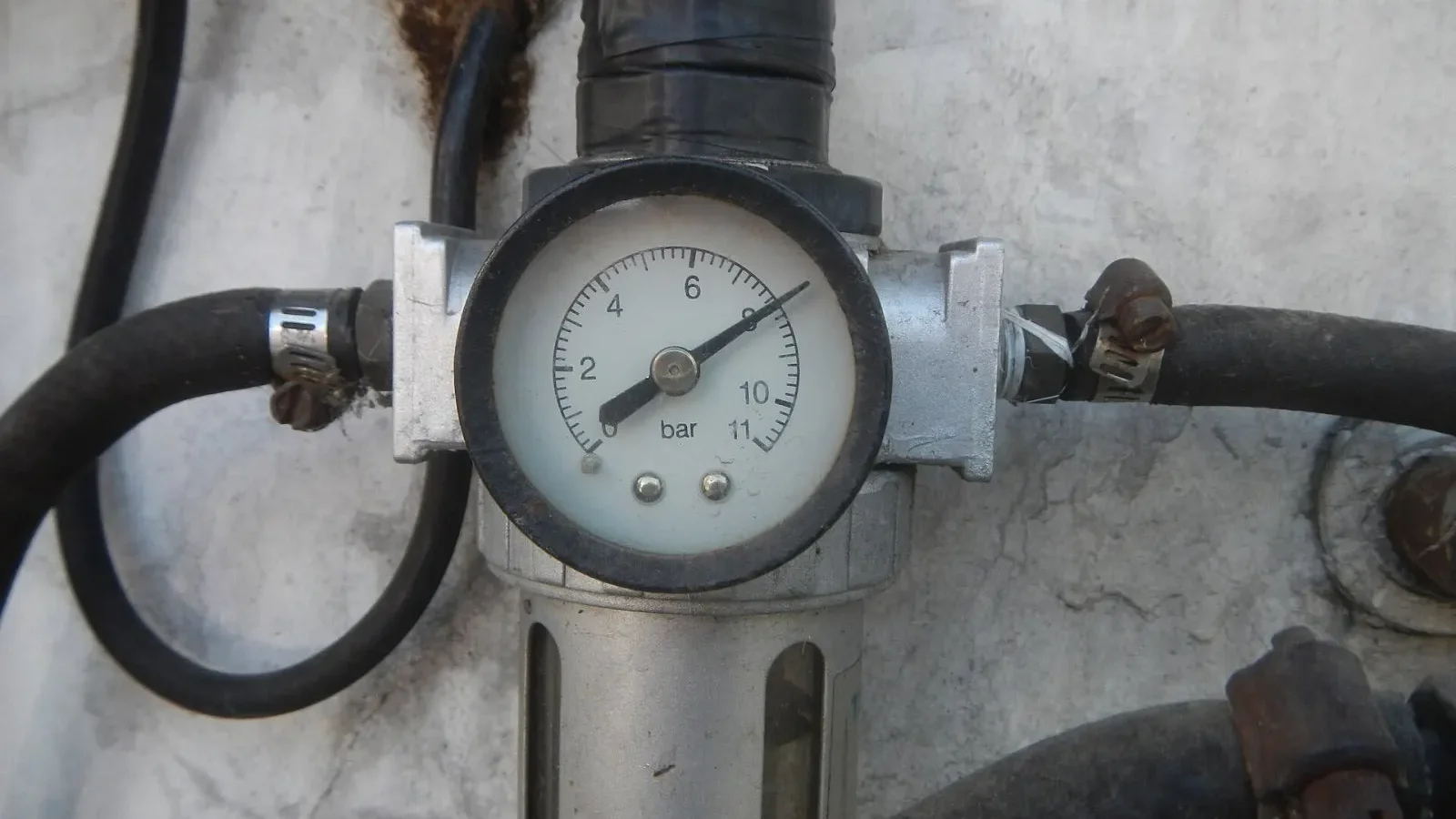
Seeing the pressure drop on your boiler's display or gauge is something many people run into during the winter months. When the pressure falls below a certain level, the boiler shuts down to protect itself. Topping it up with the filling loop usually solves the problem for a while; but if it keeps happening, there's an underlying cause. In this article, we explain what normal pressure is, the common causes of pressure loss and how to top up the pressure correctly.
Normal pressure
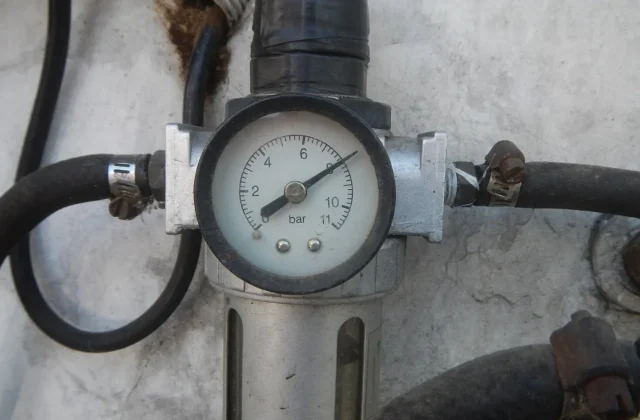
For most combi boilers, the recommended pressure with the system cold is between 1.2 and 1.5 bar; check your appliance's user manual for the exact value. As the system heats up, the water expands and the pressure rises a little, which is normal. When the pressure falls below 0.5–0.8 bar, many boilers show a fault and shut down.
Pressure rising above 2.5–3 bar is also a warning sign. In that case, the pressure relief valve opens to discharge excess water; if the valve is dripping or you see water under the boiler, the reason for the high pressure should be investigated.
Constantly topping up the pressure treats the symptom, not the problem.
Mark Ellison
Causes of pressure loss
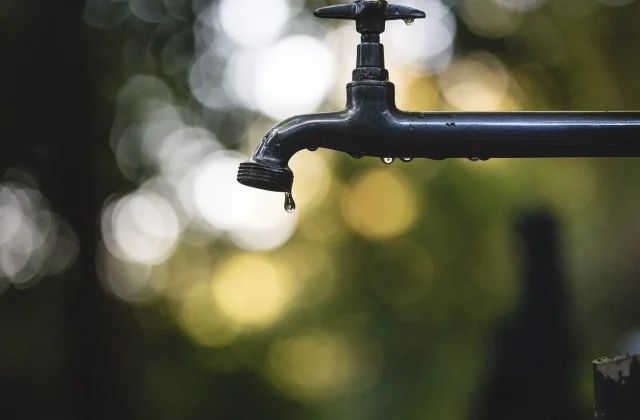
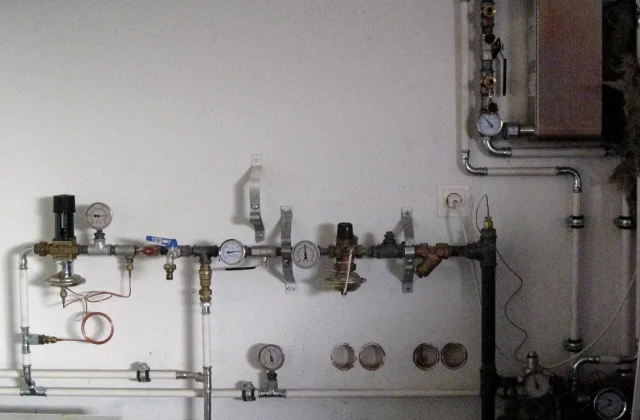
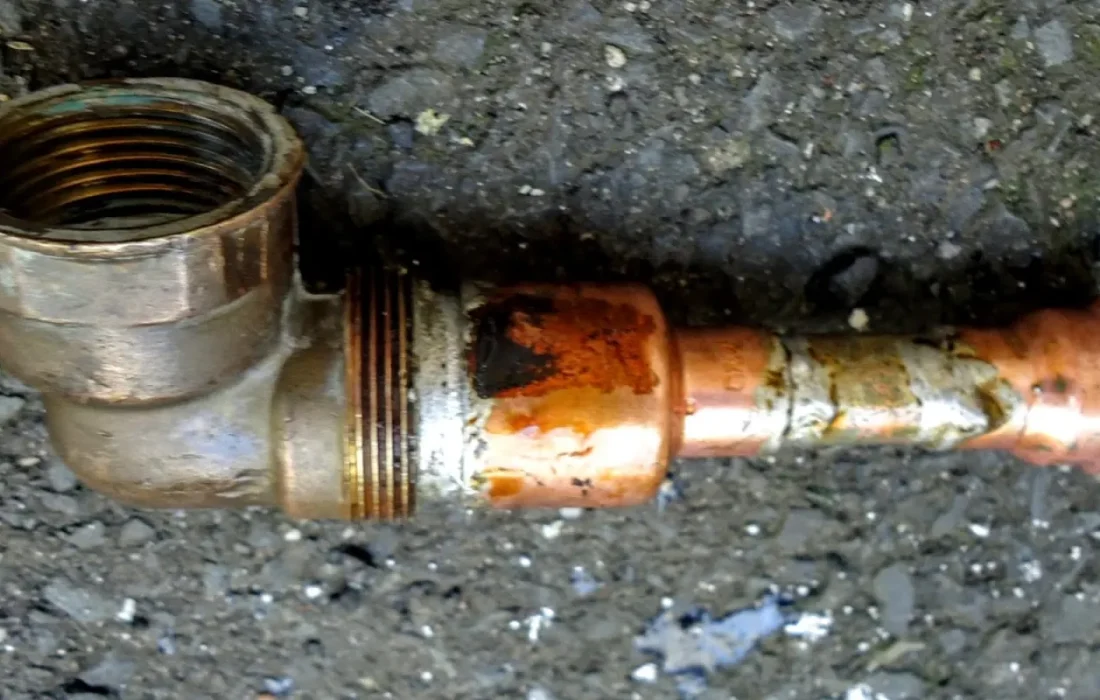
The most common cause of pressure loss is small leaks in the system. Radiator valves, fittings and bleed valves are easily overlooked leak points. Leaks on lines running inside walls or under floors may not be visible; in that case, instrument-based detection is needed.
Another common cause is the expansion vessel losing its pre-charge. When the vessel can't do its job, the pressure rises quickly as the system heats up, the pressure relief valve discharges water and the pressure drops as it cools down. This cycle makes the pressure fall steadily. The vessel's pre-charge should be measured and adjusted during the service.
How to top up the pressure
To top up the pressure, with the boiler off and the system cold, slowly open the filling loop under the boiler and watch the gauge. Once it reaches the recommended value, close the valve tightly. Leaving it open will make the pressure rise too high.
| Topic | Boilers & Heating |
|---|---|
| Highlights | pressure, boiler service |
| Reading time | 5 minutes |
| Written by | Mark Ellison |
Key takeaways
- The recommended pressure for a cold system is usually 1.2–1.5 bar.
- The most common causes are leaks in the system and the expansion vessel losing its pre-charge.
- If you need to top up the pressure more than once a week, call a technician.
If you have to top up the pressure more than once a week, call a service technician. Constantly adding fresh water brings oxygen and limescale into the system, which can increase corrosion. Fixing the leak or expansion vessel problem matters for both the life of the boiler and its safe operation.
Leave a comment