

























































Radiator flushing: chemical or machine?
If your radiators are hot at the top and cold at the bottom, sludge may have built up in your system. We explain the difference between cleaning methods.
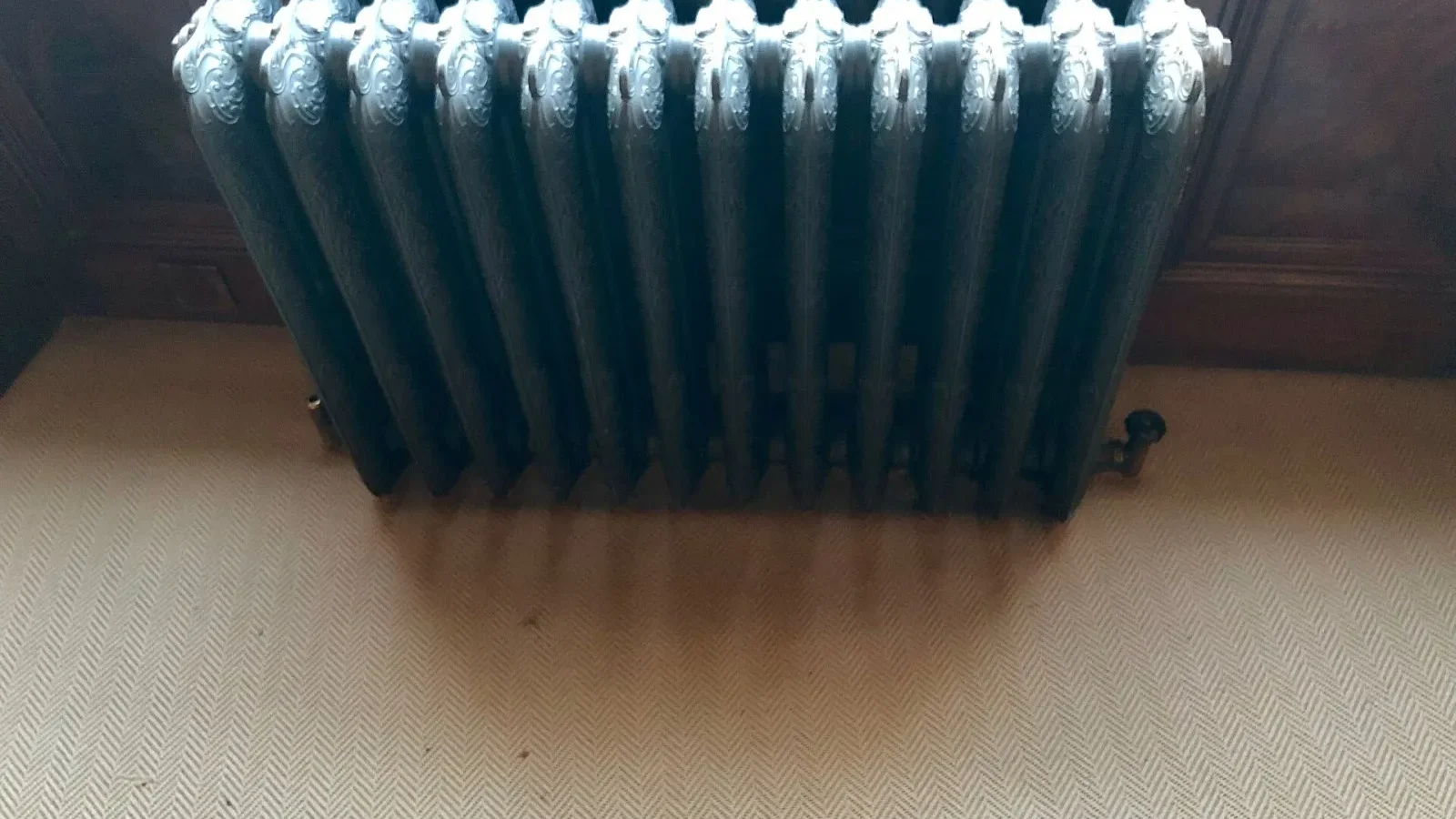
Table of contents
Radiators that heat up at the top but stay lukewarm at the bottom, rooms that are slow to warm up or a boiler that fires too often all suggest deposits in your central heating system. In that case, the most common recommendation is radiator flushing. But you'll hear about different methods, such as “chemical” and “machine” flushing, and it isn't always clear what each one means. In this article, we explain what builds up in your system, how the two methods work and when flushing is really needed.
What builds up in radiators?
Over time, the water circulating in a central heating system reacts with the metal surfaces, producing rust particles, scale and sludge. Because of their weight, these deposits settle at the bottom of the radiators and stop water from circulating through them. As a result, part of the radiator surface doesn't heat up and heat isn't delivered to the room efficiently.
The deposits can affect not only the radiators but the boiler too. Sludge that reaches the boiler's heat exchanger reduces heat transfer and can strain the pump and make it noisy. That's why cleaning the system also helps the boiler run better.
It's not the method but flushing each radiator individually that makes the difference.
Mark Ellison
How the two methods differ
With the chemical-only method, a cleaning chemical is added to the system and left to circulate for a while as the heating runs normally; then the system is drained. This can work for light deposits, but it may not be enough to fully remove heavy sludge that has settled in the radiators.
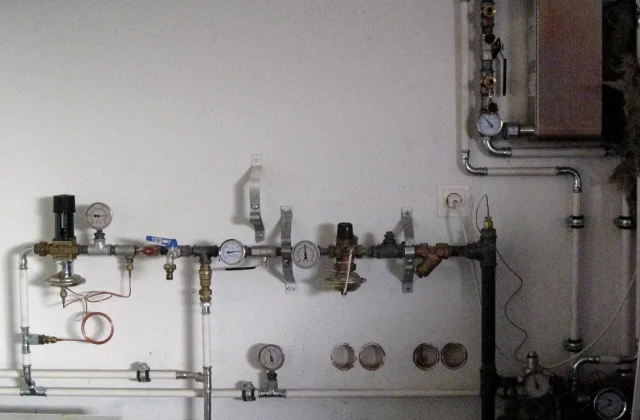
With machine flushing, a power flushing machine is connected to the boiler circuit, the cleaning solution is circulated by the machine and each radiator is flushed individually with directed pressure. The deposits collect in the machine's filter. Finally, the system is rinsed with clean water and an inhibitor can be added on request. In practice, then, the best results come from using the chemical together with the machine.
When is flushing needed?
You don't need to have your radiators flushed every year. Flushing is recommended if there's a clear difference in how your radiators heat up, if the system hasn't been cleaned for many years or if you're replacing your boiler. Flushing before a new boiler is fitted helps protect its heat exchanger.
| Topic | Boilers & Heating |
|---|---|
| Highlights | radiators, winter prep |
| Reading time | 5 minutes |
| Written by | Mark Ellison |
Key takeaways
- Radiators that stay cold at the bottom may be a sign of deposits.
- The most effective method circulates the chemical with a machine and flushes each radiator separately.
- Flushing the system before fitting a new boiler is recommended.
In very old, corroded systems, small leaks can appear after flushing, because deposits sometimes seal weakened spots. A good service company will warn you about this risk before starting and check the valve and fitting connections after flushing.
2 Comments
Really useful piece, thank you for putting it together.
I had never thought about this side of it. Looking forward to a follow-up.