

















































When and why should you service your combi boiler?
Servicing your combi boiler before the heating season starts makes the most sense for both safety and efficiency. So what should a good service include?
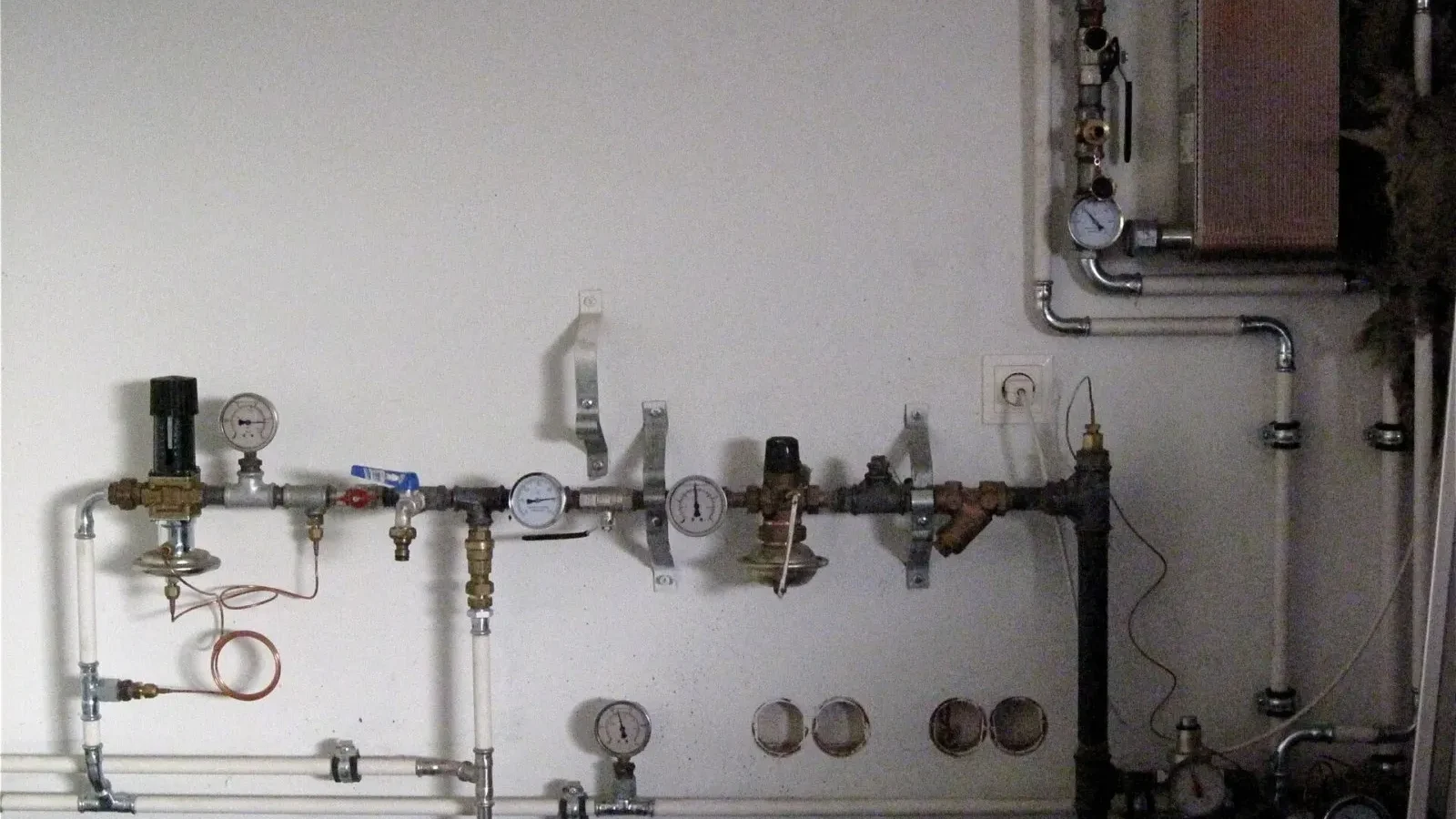
Table of contents
Every year, as winter approaches, boiler service lines ring off the hook. Yet the best time to service a combi boiler is September or October, before you need the heating. A service at this time means any parts that are needed can be sourced before the season starts. A service isn't just a clean; measuring the combustion settings, testing the safety devices and checking the system pressure are all part of the job. In this article, we cover when to service your combi boiler, what a service should include and the simple checks you can do yourself afterwards.
The right time for a service
Most manufacturers recommend servicing a combi boiler once a year. The best time is the months before the heating season starts. Service companies are less busy then, and any parts identified during the service can be replaced before the cold weather arrives. A mid-winter service is possible too, but bear in mind that the boiler will be off for a few hours.
Some situations call for an earlier service: the boiler showing frequent faults, an irregular flame, fluctuating hot water or unusual noises coming from the boiler are the main ones. These symptoms can be early warnings of a breakdown, so it's better to have a technician take a look rather than waiting for the annual service.
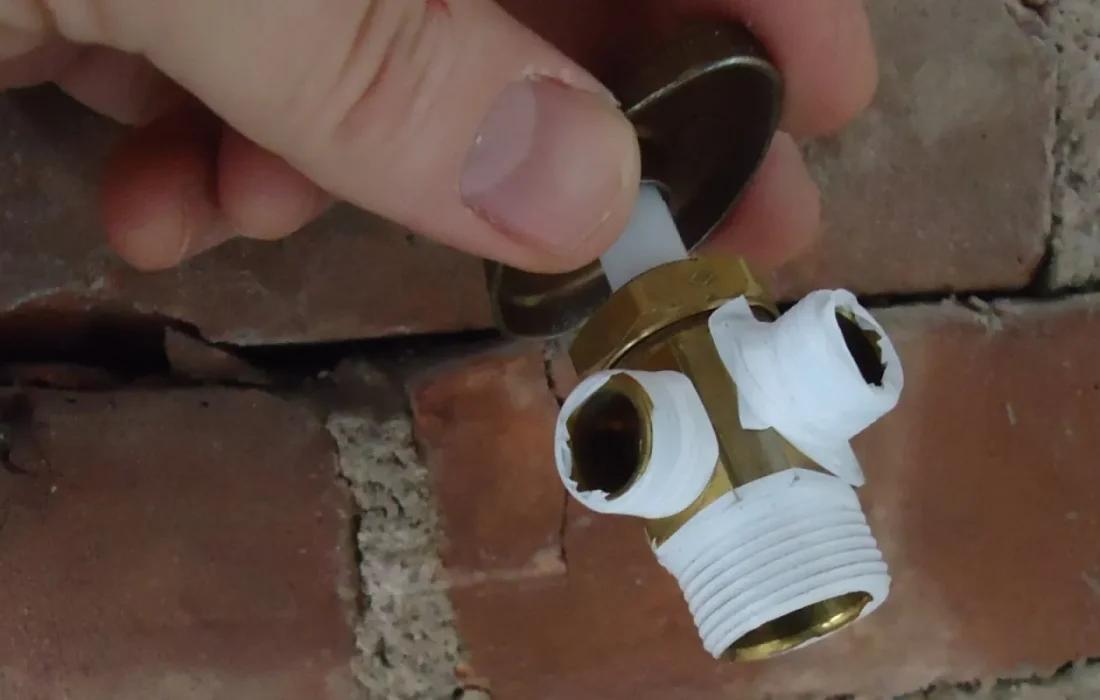
A good boiler service starts with measurements and ends with a report.
Mark Ellison
What should a service include?
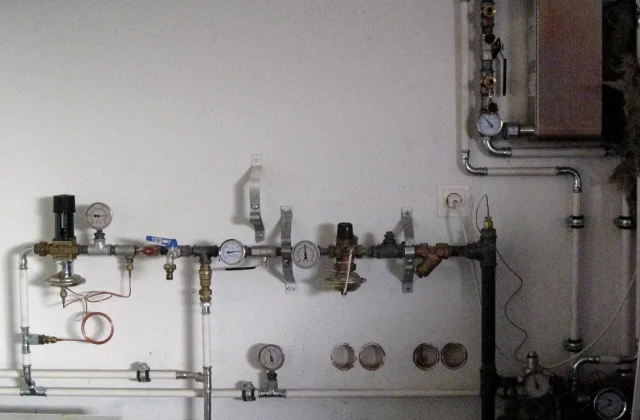
The most important step in a service is the combustion analysis. The analyzer measures carbon monoxide, carbon dioxide and oxygen levels in the flue gas; these values show that the gas is burning in the right proportion. Next, the burner and main heat exchanger are cleaned and the ignition and ionization electrodes are checked. The expansion vessel pre-charge is measured and adjusted if necessary.
The pressure relief valve, pump, flue connection and seals are also on the checklist. On the hot water circuit, the flow sensor and plate heat exchanger are inspected, and in hard water areas you'll be told about any scale build-up. Getting a service report at the end that lists all this work and the readings is also useful for comparison at the next service.
Post-service checklist
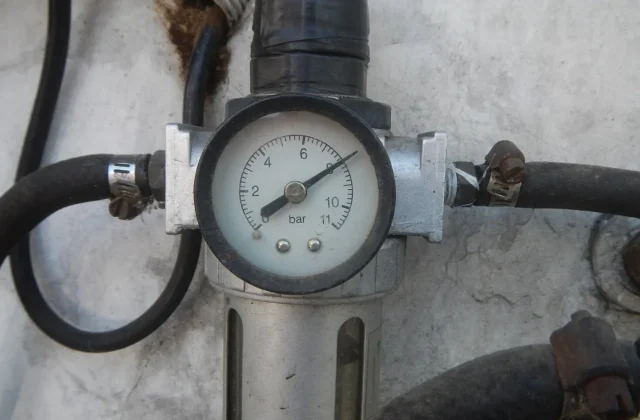
Once the service is done, keep an eye on the boiler for a few hours. When the system is cold, the pressure gauge should usually read between 1.2 and 1.5 bar; check the value recommended by your manufacturer in the user manual. Check that the radiators heat up evenly and that the hot water flows steadily.
| Topic | Boilers & Heating |
|---|---|
| Highlights | boiler service, winter prep |
| Reading time | 5 minutes |
| Written by | Mark Ellison |
Key takeaways
- The best time for a service is September or October, before the heating season.
- A service without a combustion analysis is incomplete; ask for the readings report.
- If the pressure drops quickly after the service, call the service company.
If the pressure drops soon after the service, there may be a leak in the system or a problem with the expansion vessel. In that case, call the service company rather than topping up the pressure again and again. Don't forget to keep the service report and invoice; you'll need them for warranty claims and for the next service.
2 Comments
Really useful piece, thank you for putting it together.
I had never thought about this side of it. Looking forward to a follow-up.