



















































Getting ready for winter: 7 boiler settings and energy-saving tips
Before you make expensive investments to cut your heating bill, the right settings and a few small habits can make a big difference.
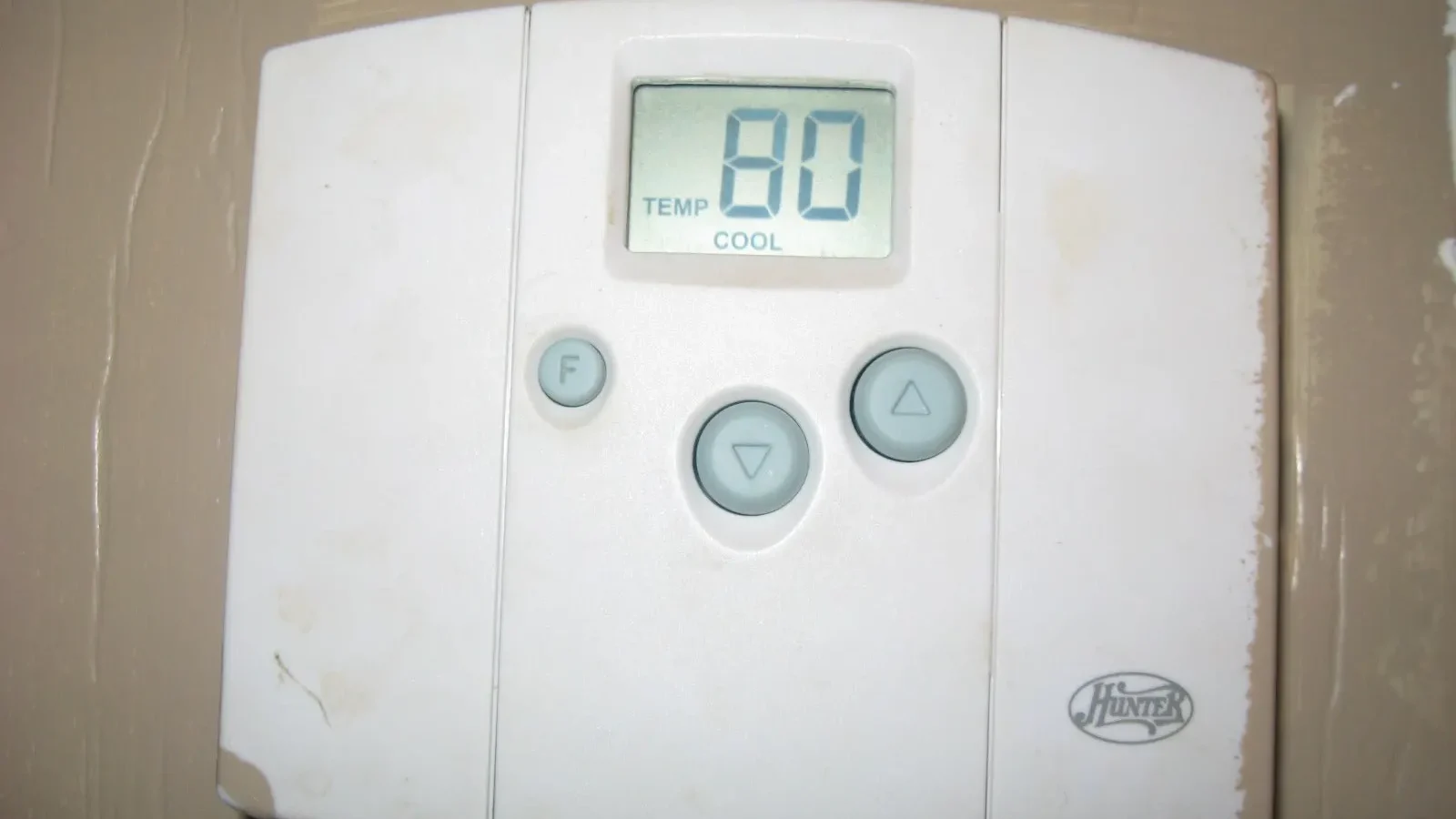
Table of contents
Heating can become one of the biggest items in the household budget during the winter months. Yet setting your combi boiler correctly, using your thermostat effectively and making a few small improvements at home help keep consumption in check without sacrificing comfort. In this article, we've gathered practical tips you can put into practice before winter. How much they help depends on your home's insulation, the type of boiler and your habits, so we've focused on practical steps rather than precise figures.
Setting the right temperature
Condensing combi boilers are more efficient at lower flow temperatures. So rather than setting the heating water temperature very high, it's best to keep it at the lowest level that keeps your home warm. You can turn it up on very cold days and down on milder ones.
As a rule of thumb, 68–70 °F (20–21 °C) during the day and a few degrees lower at night is considered comfortable. Remember that every extra degree adds to your consumption. When you're out, turning the temperature down a little rather than switching the heating off completely can reduce the energy needed to warm the house back up.

The first step to saving energy isn't a new appliance — it's the right setting.
Ethan Brooks
Thermostats and radiator valves
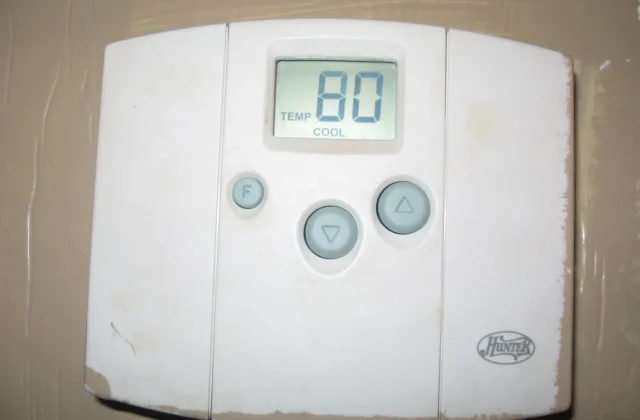
A room thermostat makes the boiler respond to the actual temperature in your home. With a programmable thermostat, you can set different temperatures for the morning, evening and night. A thermostat should never be placed by a window, next to a radiator or in direct sunlight, or it will give false readings.
Thermostatic radiator valves let you set the temperature of each room separately. Turning the valve down in rooms you don't use helps direct heat to your living spaces. However, leaving rooms completely cold can lead to damp and mold, so it's better to leave them on a low frost-protection setting.
Small improvements you can make at home
Keeping radiators clear of heavy curtains and furniture is important for spreading heat through the room. Placing reflective foil behind radiators mounted on exterior walls can reduce heat lost into the wall. Sealing drafts around doors and windows with weatherstripping is another simple but effective step.
| Topic | Saving Energy |
|---|---|
| Highlights | saving energy, thermostat, winter prep |
| Reading time | 6 minutes |
| Written by | Ethan Brooks |
Key takeaways
- Lower flow temperatures boost the efficiency of condensing combi boilers.
- Programmable thermostats and thermostatic valves help keep consumption in check.
- Keeping radiators clear and sealing drafts is simple but effective.
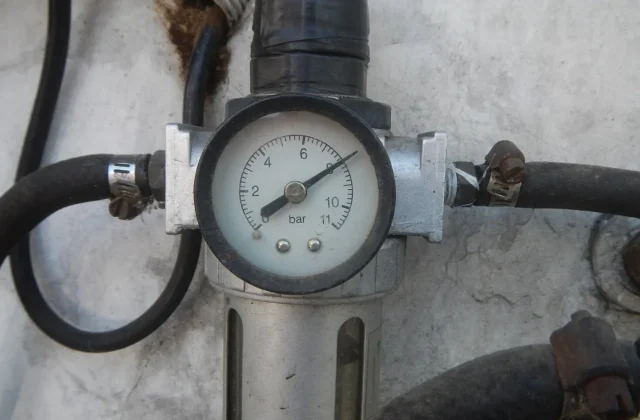
Bleeding the radiators, checking the boiler pressure and getting the boiler serviced at the start of the season are the basics for an efficient system. Habits like closing the curtains before bed and opening them on sunny windows during the day also help reduce how much heating you need.
2 Comments
Really useful piece, thank you for putting it together.
I had never thought about this side of it. Looking forward to a follow-up.