




























































Underfloor heating or radiators? What to know before you decide
If you're planning a new home or a major renovation, choosing a heating system is a long-term decision.
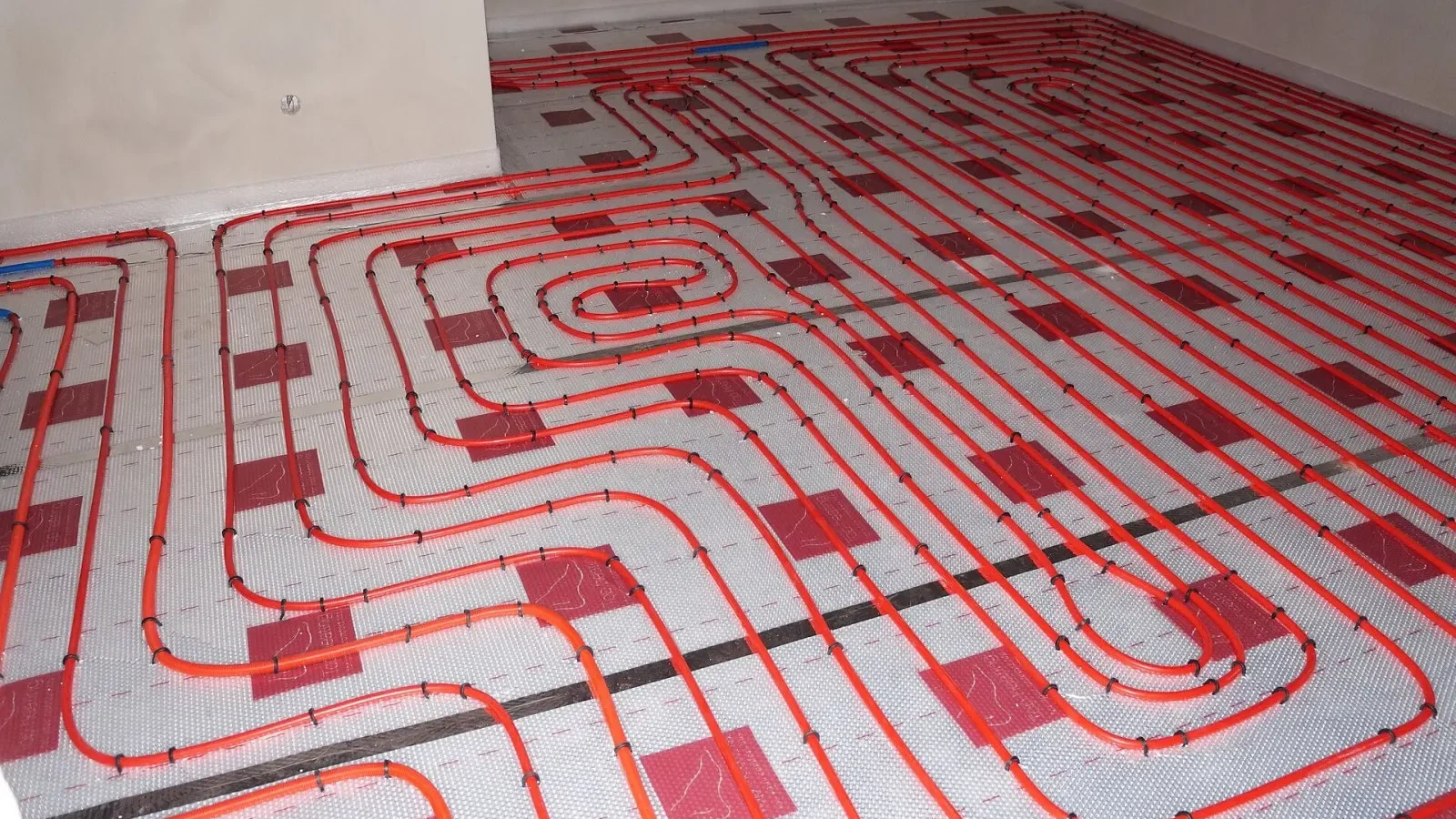
Table of contents
A heating system is one of the pieces of infrastructure a home will rely on for at least twenty to thirty years. That's why choosing between underfloor heating and a conventional radiator system is an important decision in new builds and major renovations. Both systems have advantages and limitations; the right choice depends on your home's insulation, floor finish, habits and budget. In this article, we compare the two systems and list the questions to ask before you decide.
How the two systems differ
Radiators give off the heat of the hot water flowing through them by radiation and air circulation. They run at relatively high water temperatures and heat a room quickly. Underfloor heating delivers heat through pipes spread across the whole floor; it runs at a lower water temperature and distributes heat evenly from floor to ceiling.
Running at low temperatures makes underfloor heating a good match for condensing combi boilers and heat pumps. On the other hand, it responds more slowly, so it's better suited to homes that are lived in all day and to people who prefer a constant temperature.
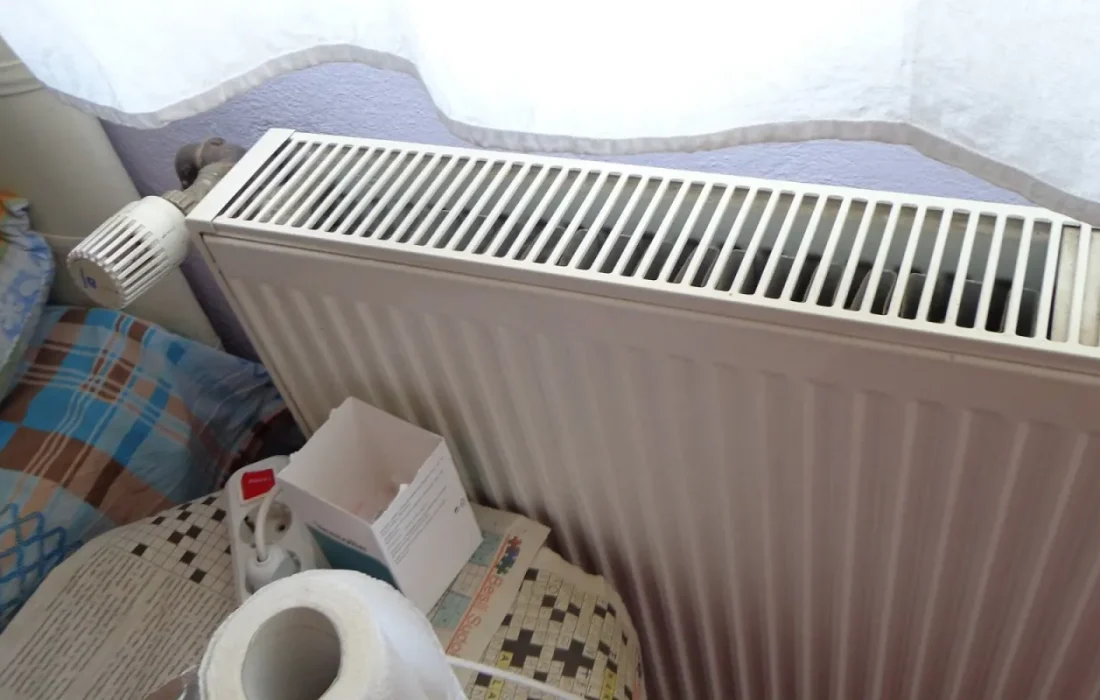
The right heating system is the one that fits your home's structure and the way you live.
Sophie Laurent
Which one suits which home?
Underfloor heating is a popular choice in new, well-insulated homes, in living rooms with large glazed areas and in families with children. A warm floor is comfortable, and with no radiators on the walls you're free to arrange furniture as you like. Ceramic and stone finishes conduct heat well; with wood flooring, follow the manufacturer's guidance on suitability for underfloor heating.
In an existing apartment, lifting the floor just to change the heating system isn't always practical. If door heights, floor level and the existing screed aren't suitable, radiators may make more sense. Radiators also have the edge in rooms that are used rarely and need to heat up quickly.
Cost and installation
Because of the insulation and screed work, underfloor heating usually costs more to install than a radiator system. Installation involves a heat loss calculation, laying insulation, laying pipes, pressure testing and screeding. Once the screed has dried, the system needs to be commissioned by heating it up gradually.
| Topic | Saving Energy |
|---|---|
| Highlights | underfloor heating, saving energy |
| Reading time | 6 minutes |
| Written by | Sophie Laurent |
Key takeaways
- Underfloor heating runs at low water temperatures and pairs well with a condensing combi boiler.
- In existing apartments, floor level and door heights are the deciding factors.
- Before deciding, get a heat loss calculation and written quotes for both options.
Running costs depend on the quality of the insulation, the type of boiler and how you use your heating, so it wouldn't be right to quote a precise saving for either system. Before deciding, we recommend having an engineer calculate your home's heat loss and getting written quotes for both options.
Leave a comment