



























































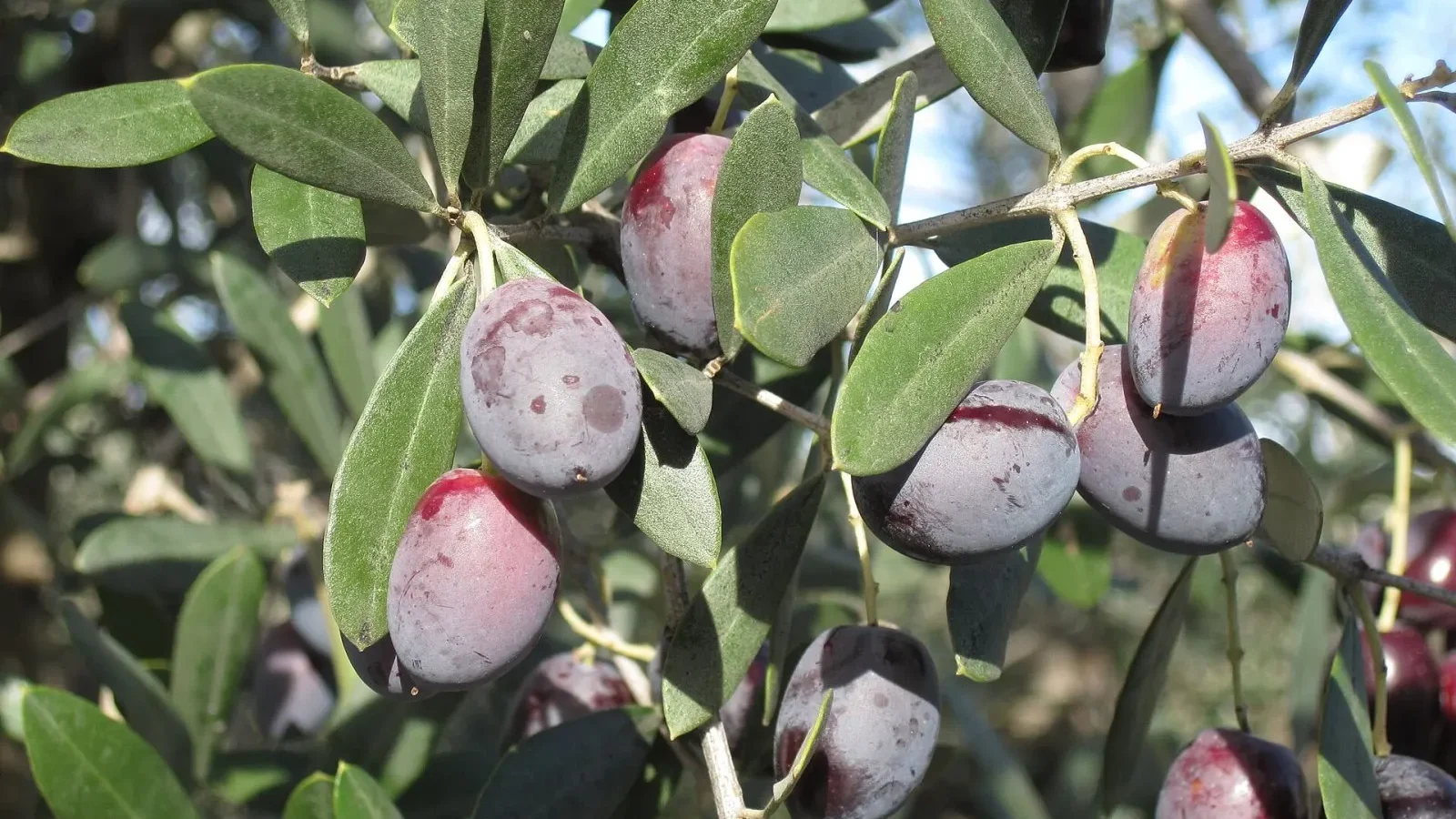
Olive harvest 2026: Yields, labor and the race at the mills, from the western coast to the south
With November, the harvest rush has begun in the olive groves. We report from the field on regional yields, labor costs and the race for quality at the mills.
Table of contents
With the first week of November, the harvest rush has begun in olive groves all along the western and southern coasts, from the shores of the inland sea to the far south. Nets spread beneath the trees, branches beaten with long poles and mills running late into the night have brought the countryside's busiest season back to life. Balanced spring rains this year helped trees flower well in many areas, but a heat wave in late summer limited fruit size in some groves. Growers are struggling to find workers while keeping a close eye on the price gap between table olives and oil olives. In this in-depth report, we bring you regional yields, harvesting methods, labor costs and the race for quality at the mills, straight from the field.
Yields that vary from grove to grove
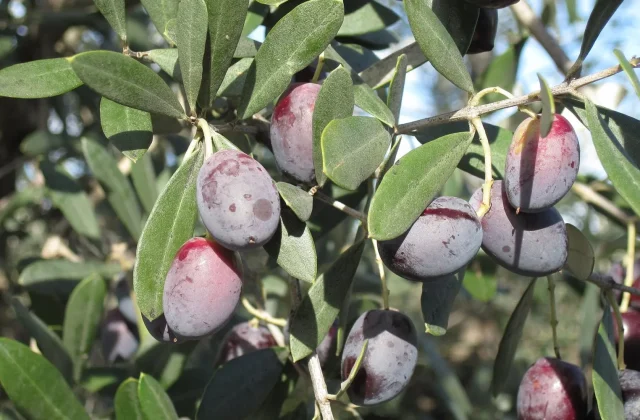
This season's olive yield varies markedly from region to region, and even between groves in the same village. On the western coast, trees that benefited from spring rains are heavy with fruit, while inland groves with limited irrigation have set fewer olives than expected. The olive's tendency toward alternate bearing, producing a heavy crop one year and a light one the next, complicates the picture further. Some of the trees that were loaded last year are taking a rest this year.
According to field observations by the fictional Hillcrest Olive Growers' Association, the effect of alternate bearing was more limited in groves that are pruned regularly and fertilized based on soil tests. Association officials say the gap between neglected groves and well-tended ones has been clearer this year than ever. On the southern coast, the late-summer heat wave limited fruit size, which hit table olive growers especially hard, since larger olives fetch better prices at market.
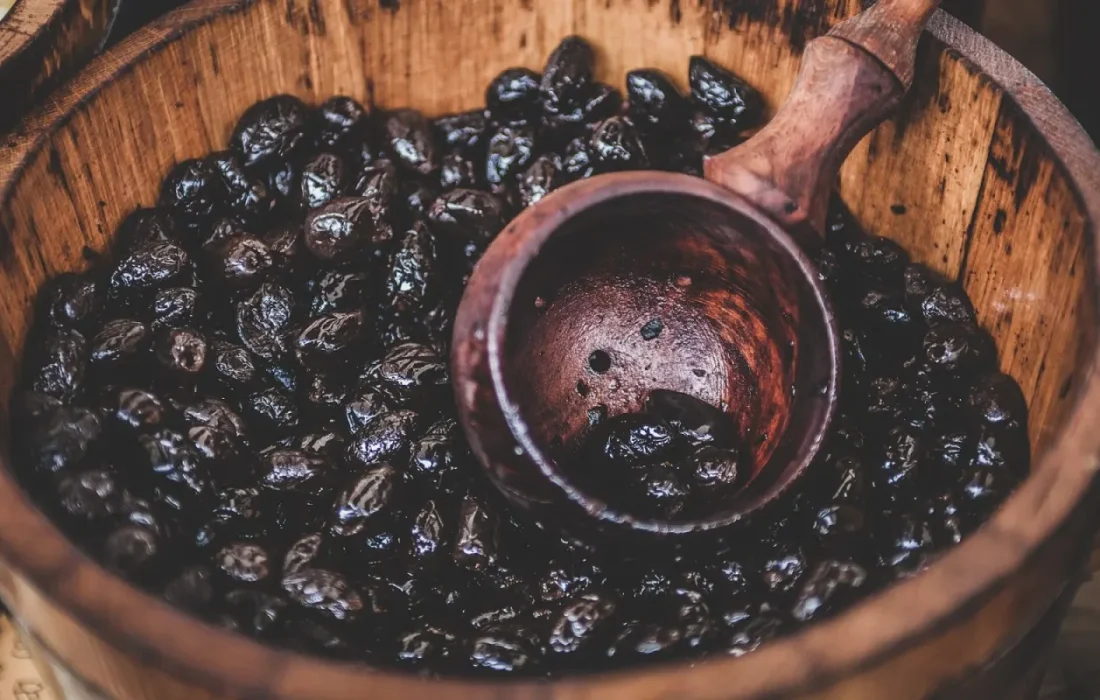
The olive tree does not like to be rushed; fruit picked on the right day decides the fate of the oil.
Emily Carter
Poles, rakes and tree shakers
Harvesting methods also have a direct impact on olive quality. Traditional pole beating is still common, but because it can damage branches and fruit, it is steadily giving way to hand rakes and motorized shakers. Thanks to nets spread under the trees, olives collected without touching the ground reach the mill in better condition. Experts point out that olives left lying on the ground for days raise the acidity of the oil, so the harvest should be finished as quickly as possible.
Labor is the most talked-about topic of the season. Seasonal workers are getting harder to find at harvest time, and rising day rates are straining small growers' budgets. In some villages, the old tradition of neighbors taking turns to work in each other's groves has come back to life. Larger operations are turning to mechanical solutions such as trunk shakers. But because machines have limited use on sloping land and with old trees, hand labor remains an essential part of the harvest.
The race for quality at the mill
How quickly harvested olives reach the mill plays a decisive role in the quality of the oil. Experts recommend pressing olives within twenty-four hours of picking if possible, and, if they must wait, keeping them in ventilated crates in a cool place. Olives packed tightly in sacks can quickly heat up and ferment, raising the acidity of the oil. That is why many mills run day and night shifts during the harvest, trying to process growers' fruit without delay. And that is why, in the villages, neighbors helping neighbors is seen as the harvest season's most valuable asset.
| Topic | Crops |
|---|---|
| Highlights | olives, harvest, markets |
| Reading time | 9 minutes |
| Written by | Emily Carter |
Key takeaways
- Yields vary markedly by region and by how well each grove is tended.
- Olives collected with nets and rakes reach the mill in better condition.
- Pressing olives soon after picking determines the quality of the oil.
Growing interest in cold-pressed and early-harvest oils is pushing growers to invest more in quality. Small producers making boutique oils in particular are aiming for premium markets with fruity, slightly peppery oils pressed from green olives. In indicative terms, the price gap between quality extra virgin oil and standard oil has widened markedly in some regions. Quality-focused production is seen as the most reliable way to get a fair return on all that work.
What do you think about this post?
2 Comments
Really useful piece, thank you for putting it together.
I had never thought about this side of it. Looking forward to a follow-up.