

























































The critical window for wheat sowing: How November rains are setting the planting calendar
For winter wheat, sowing date affects everything from germination to winter hardiness. What should growers watch for in the field after the November rains?
Table of contents
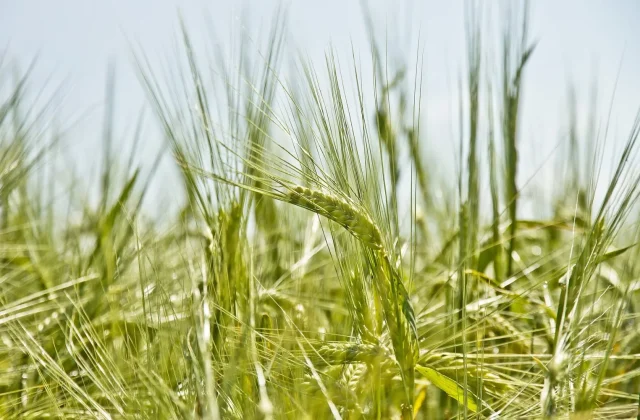
From the central plains to the northwest, grain growers have their eyes fixed on the sky. After a dry October, rain in the first days of November brought soil in many fields to the right moisture, and seed drills are back out. For winter wheat, sowing date is critical so the plant can root well and tiller before winter arrives. Sowing too early raises disease and weed pressure, while sowing too late can leave weak plants exposed to frost. Agronomists are once again reminding growers of the basic rules for the season: choose varieties suited to the region, use certified seed and fertilize based on soil tests. We talked to growers and experts in the field to gather the key tips for the sowing season.
The right soil moisture, the right sowing date
The first condition for success with winter wheat is working the soil at the right moisture and sowing at the right time. The ideal moisture means soil that is neither too dry nor muddy: squeezed in the hand, it holds its shape lightly without crumbling. Because October was dry, many growers postponed sowing; rain in the first days of November made fields plantable again. Experts warn that driving heavy machinery onto a field right after rain can compact the soil.
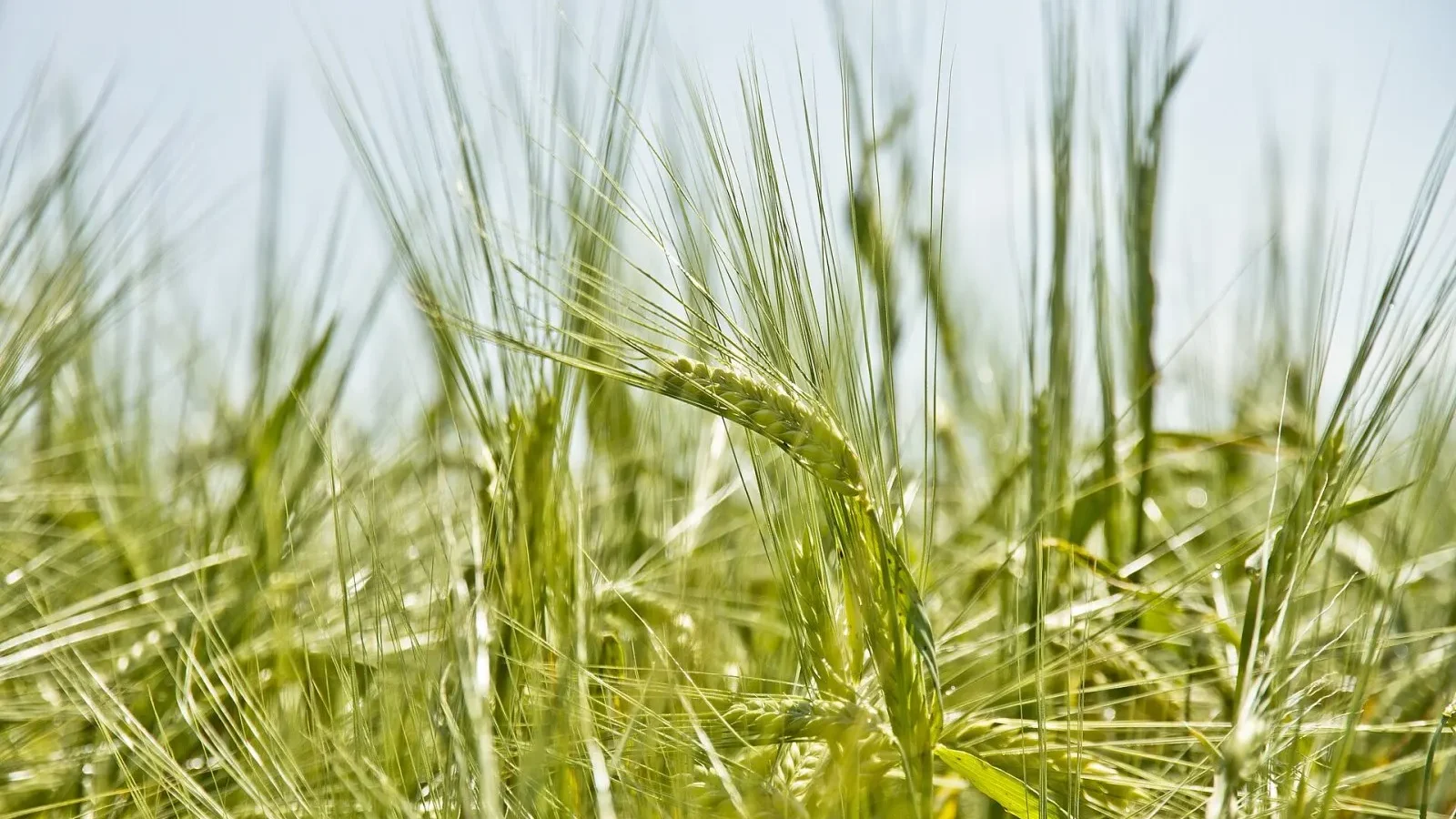
Although it varies by region, the goal is for winter wheat to reach the three- to four-leaf stage and begin tillering before winter sets in. Plants that reach this stage are far more resistant to cold. In fields sown too early, plants can overgrow and face disease and weed pressure. When sowing is late, germination slows and weak seedlings can be damaged by the first hard frost. That is why following the regional sowing calendar is one of the most critical decisions of the season.

The story of wheat is not written at harvest, but in the seed sown on the right autumn day.
Emily Carter
Seed choice and seeding rate
Seed choice is one of the key factors determining yield and quality. Experts recommend choosing varieties suited to the region's climate, soil type and irrigation options, and using certified seed whenever possible. Growers who save seed from their own crop should always have it cleaned and germination-tested. For seed treatments, it is advisable to ask an agronomist or a local technical advisor which product and dose to use.
The seeding rate, or how much seed goes into each acre, also varies by region and sowing date. When sowing is late, a slightly higher rate is recommended, since there is less time for tillering. Even sowing depth matters too: seed placed too deep struggles to emerge, while seed left near the surface is exposed to birds and drought. Calibrating the seed drill before sowing and running a short test in the field is the most practical way to avoid these mistakes.
Fertilizing for a strong start to winter
Fertilizing is critical for wheat to go into winter strong and grow quickly in spring. Experts stress that fertilizer decisions must always be based on soil tests. Starter fertilizer applied at sowing supports root development, particularly when it comes to phosphorus. For nitrogen, the recommendation is to apply part of it at sowing and the rest in spring, when the plant needs it. Using more fertilizer than necessary not only raises costs but can also harm the soil and groundwater. A few weeks after sowing, growers should also check that the field has emerged evenly.
| Topic | Crops |
|---|---|
| Highlights | wheat, sowing, soil |
| Reading time | 7 minutes |
| Written by | Emily Carter |
Key takeaways
- Winter wheat should be sown so that it reaches the tillering stage before winter.
- Certified seed suited to the region and the right seeding rate determine yield.
- Fertilizer decisions should always be based on soil tests.
If legumes were grown in the field the previous year, the nitrogen they fixed in the soil can reduce fertilizer needs. In this respect, crop rotation stands out as a method that lowers both costs and disease risk. Over the winter, it is also important to monitor fields regularly, spot areas where water pools and take drainage measures where needed. Growers know that the foundation for a good harvest at the end of the season is laid in these autumn weeks. In short, the care taken in autumn pays off on the threshing floor in summer.
What do you think about this post?

2 Comments
Really useful piece, thank you for putting it together.
I had never thought about this side of it. Looking forward to a follow-up.