



























































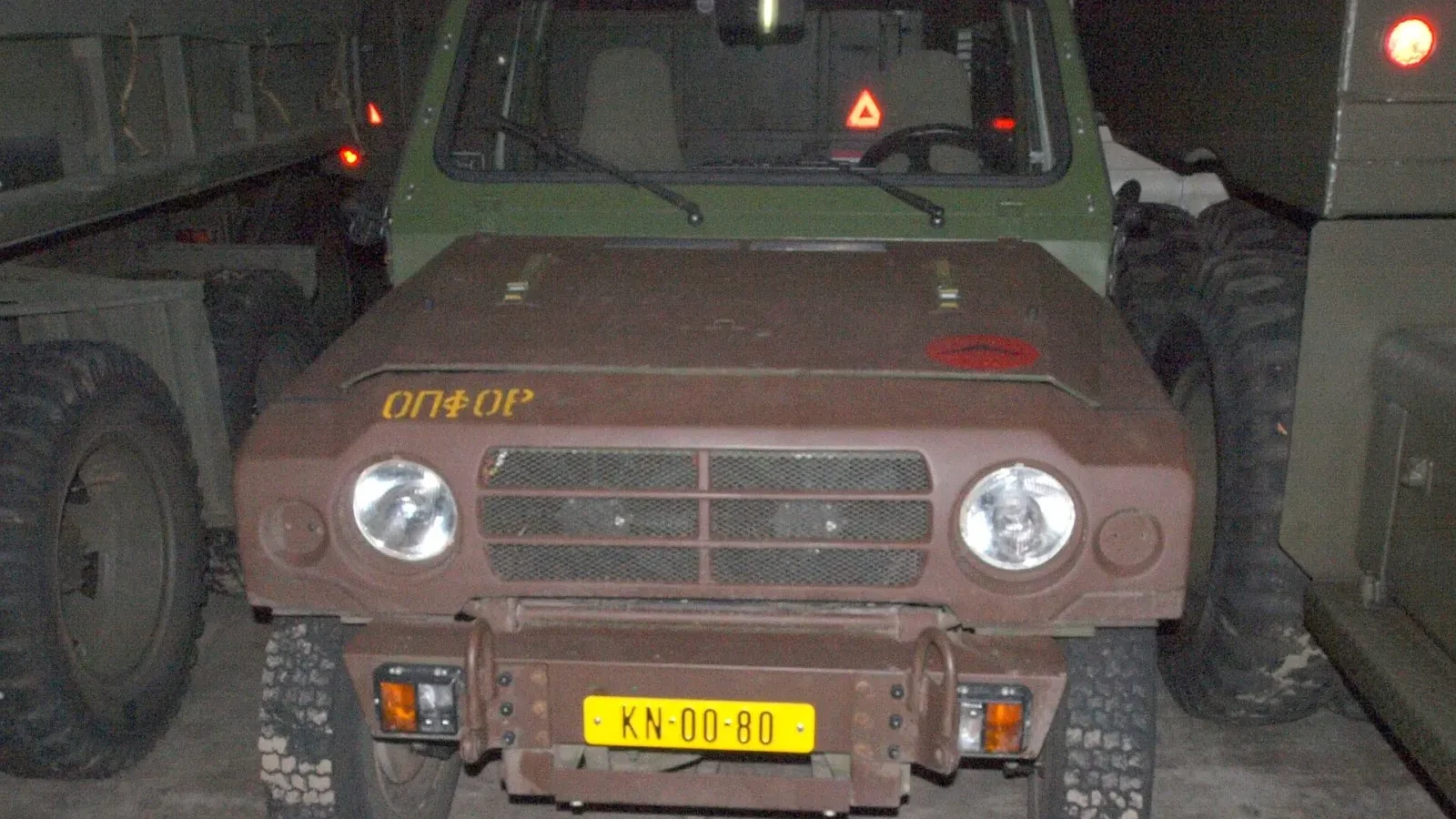
Ten things to check when buying a used SUV
What should you look out for when buying one of today's ever more popular SUVs secondhand? Our checklist, drawn up with advice from inspection specialists, will make the job easier.
With their high driving position and roomy interiors, SUVs are among the most sought-after vehicles on the used market too. But these vehicles can wear in different places from regular cars, especially if they've been used off-road. Inspection specialists say the all-wheel-drive system, suspension components and underbody should always be examined in detail. Our ten-point checklist will guide you through the buying process.
In this article
- Checking the all-wheel-drive system
- Suspension and underbody
- Checking registration and accident history
Checking the all-wheel-drive system
The all-wheel-drive system is one of the most expensive items to repair on a used SUV. Start your check with the transfer case: a clunk or squeal from the wheels when turning during the test drive signals a problem. Switching into four-wheel drive should also happen without delay and without a warning light. If you notice these signs, you can gain real leverage in negotiations or walk away from the car.
The color and smell of the differential oil are a good indicator of past maintenance. If the oil is dark and smells burnt, the system may have been strained under load. All four tires should also be the same brand, model and wear level; tires of different diameters can damage the transfer case. You can check tire age from the production date on the sidewall.
What you spend on an inspection is tiny next to the price of buying the wrong car.
Ethan Brooks
Suspension and underbody
High ground clearance and a heavy body put more wear on an SUV's suspension parts. Dull thuds over potholes during the test drive or oil leaks around the shock absorbers are warning signs. A steering wheel that pulls to one side can be a sign of worn tie rods and tie-rod ends. This check is the most reliable way to reveal the car's true condition, regardless of what the seller tells you.
If possible, have the car inspected from below on a lift. Check for heavy rust on the exhaust joints, the frame and the brake lines. Scrape marks from off-road use may show on the skid plates. Fresh paint on the underside should make you suspect that damage is being hidden; in that case, ask the seller for an explanation. The problems you can't see are often the most expensive ones, so be careful.
Checking registration and accident history
When doing your checks, have the car's mileage and accident records verified through official sources. Get an inspection report showing repainted and replaced panels from an independent specialist. A report from an inspection center you choose yourself is more reliable than one supplied by the seller and also strengthens your hand in negotiations. This approach also goes a long way toward preventing later disputes and unexpected costs.
| Topic | Used Cars |
|---|---|
| Highlights | used cars, SUV, inspection |
| Reading time | 8 minutes |
| Written by | Ethan Brooks |
Key takeaways
- Clunks, squeals and delayed engagement in the all-wheel-drive system are serious warning signs.
- Check the underbody, suspension and rust with the car up on a lift.
- An independent inspection report and complete service records are your best protection when buying.
Ask for service records and invoices; it's important that maintenance of the all-wheel-drive system is documented as well as regular oil and filter changes. If you see a mismatch between the records and the mileage, it may be wise to walk away. Remember, what you spend on an inspection is tiny next to the price of buying the wrong car. Taking your time and completing every check before deciding is always the right move.
What do you think about this post?

Leave a comment