



























































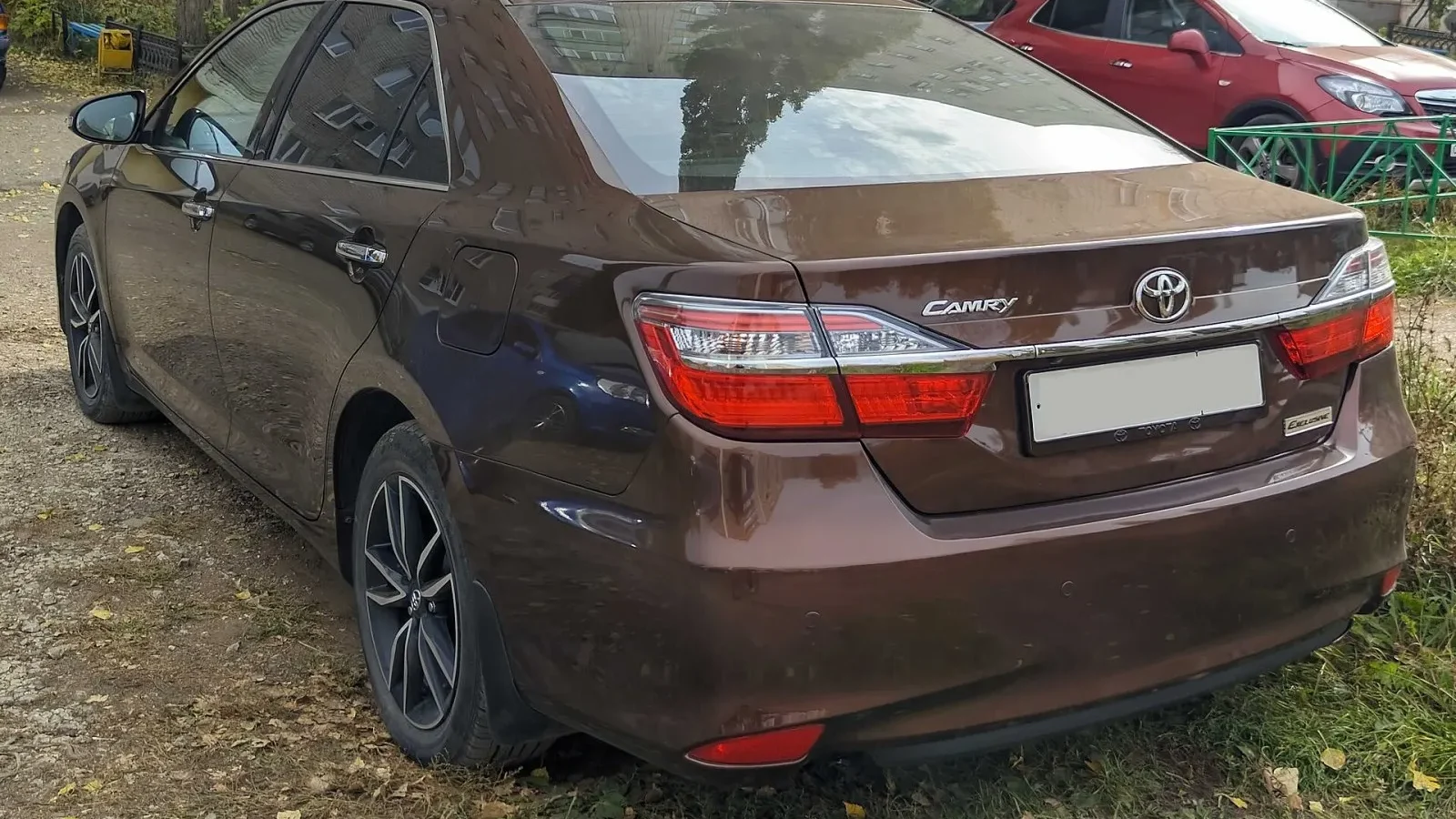
Road test: the new midsize sedan fills the diesel gap with a hybrid
We drove the new hybrid sedan, an answer for long-distance drivers looking beyond diesel, for 1,200 km (745 miles). Comfort, trunk space and real-world consumption figures are all in our test.
Diesel's share of the passenger car market shrinks every year, and drivers who cover long distances are looking for an economical alternative to fill the gap. The new midsize sedan we tested targets exactly that need with its full hybrid system. Over a week and more than 1,200 km (745 miles), we were particularly struck by how quiet it is at highway speeds and how comfortable the suspension is. Around town, the hybrid system runs mostly in electric mode, which brought average consumption down. In the full test we list its strengths and weaknesses one by one.
In this article
- Long-distance comfort and a quiet cabin
- How the hybrid system performs on the highway
- Trim levels and rivals
Long-distance comfort and a quiet cabin
Most of the 1,200 km (745-mile) test was spent on the highway, and the first thing that struck us about the car was how quiet the cabin is. At 120 km/h (75 mph), wind and tire noise were below the segment average. Double glazing and an acoustic windshield effectively suppress both engine and road noise. That quietness noticeably reduces fatigue on long journeys.
The seats are firm enough not to tire you out on long drives, and the lumbar adjustment has a wide range. The suspension carries the car smoothly even over broken asphalt. Rear passengers are comfortable apart from the hump in the center tunnel. Trunk space is average for its class, but because of where the hybrid battery sits, the floor isn't completely flat, a minor limitation for large suitcases.
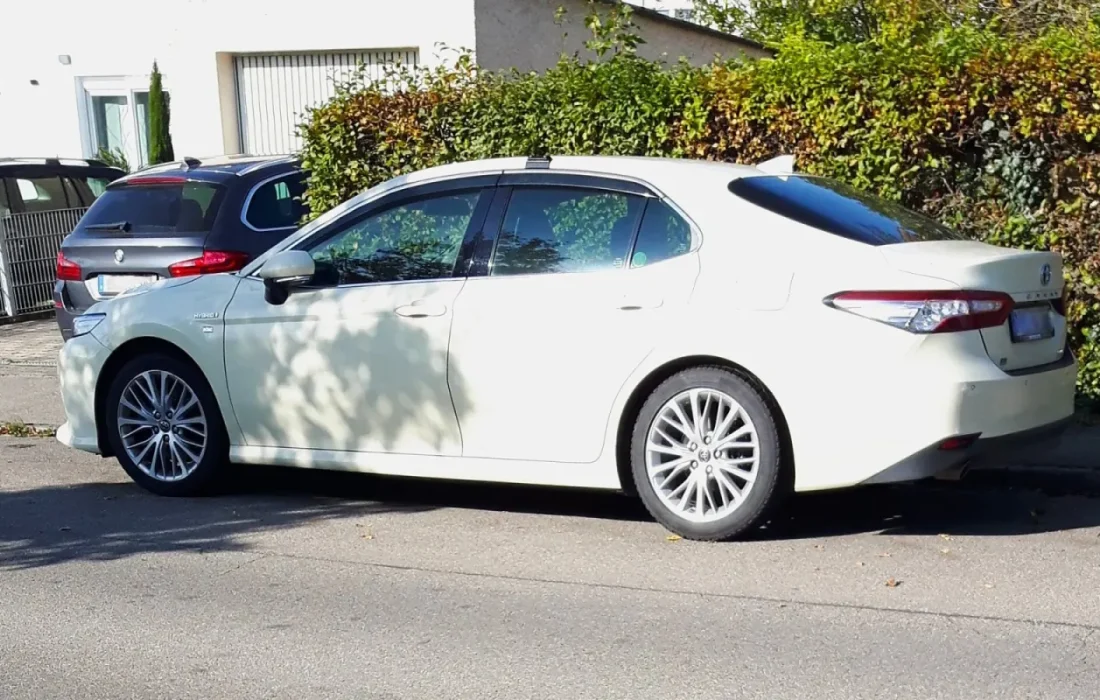
You can now combine diesel-style highway economy with a quiet cabin.
Sophie Laurent
How the hybrid system performs on the highway
The hybrid system is smart on the highway too. At a steady speed the engine mostly runs in its most efficient range, with electric assistance kicking in when needed. When you press the pedal to overtake, the response is instant; since the transmission doesn't feel like it has lots of steps, power delivery feels natural. On long descents, the battery recharges. That composure makes highway driving safe and relaxed.
On consumption, the average came to 5.1 liters per 100 km (about 46 mpg). In town that dropped to 4.2, while on the sections we drove at 130 km/h (81 mph) it approached 6.0 liters. These figures are similar to or slightly better than a diesel model in the same class, and the hybrid's lower emissions and quietness also give it a clear comfort advantage over diesel.
Trim levels and rivals
The car is offered in three trim levels. Even the entry trim comes standard with adaptive cruise control, lane keeping and a rearview camera. The mid-level package adds heated seats and the large screen, while the top package includes a heated steering wheel, a panoramic roof and an upgraded sound system. For most buyers, the mid-level package looks like enough.
| Topic | Road Tests |
|---|---|
| Highlights | road test, sedan, hybrid |
| Reading time | 9 minutes |
| Written by | Sophie Laurent |
Key takeaways
- Even at 120 km/h, cabin quietness is above the segment average.
- Average consumption in mixed use was measured at 5.1 liters per 100 km.
- The mid-level trim package looks like enough, and well balanced, for most buyers.
Rivals include models offering both diesel and hybrid options. They are strong on trunk space and parts networks, but the car we tested stands out for its balance of quietness and efficiency. For drivers who cover high annual mileage, this sedan is a sensible alternative that makes the switch from diesel to hybrid easy. An added bonus for those who can't charge at home: it doesn't need to be plugged in.
What do you think about this post?


Leave a comment