


























































Everything you need to know before installing a home charger
Sponsored contentThis content was produced as an advertisement / partnership.
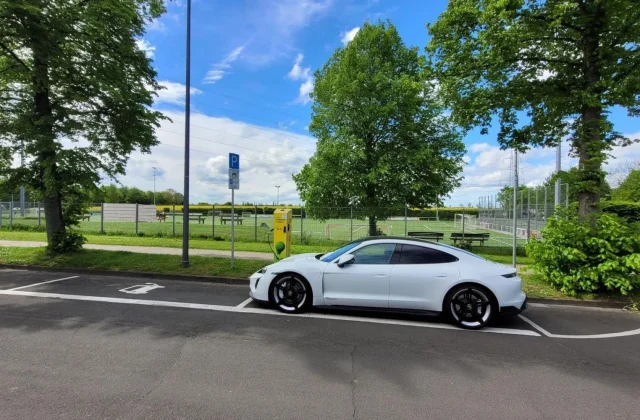
For electric car owners, charging at home is the most practical and economical solution. We've put together a complete guide to choosing a wallbox, installation requirements and costs.
Most electric car drivers do more than 80 percent of their charging at home or at work. That makes the right home charging setup one of the most important parts of owning an EV. A standard wall socket will do in a pinch, but a wallbox offers charging that is both faster and far safer. In this guide we walk you through the whole process step by step, from installation to cost.
In this article
- Wall socket or wallbox?
- Installation in condos and apartment buildings
- Saving with off-peak rates
Wall socket or wallbox?
A standard household socket should only be used to charge an electric car in an emergency. These sockets usually deliver around 2.3 kW, which may not be enough to fill the battery even overnight. Drawing high current for long periods also creates a risk of overheating in older wiring. That's why using a socket should be seen only as a temporary solution; it isn't suitable for regular charging.
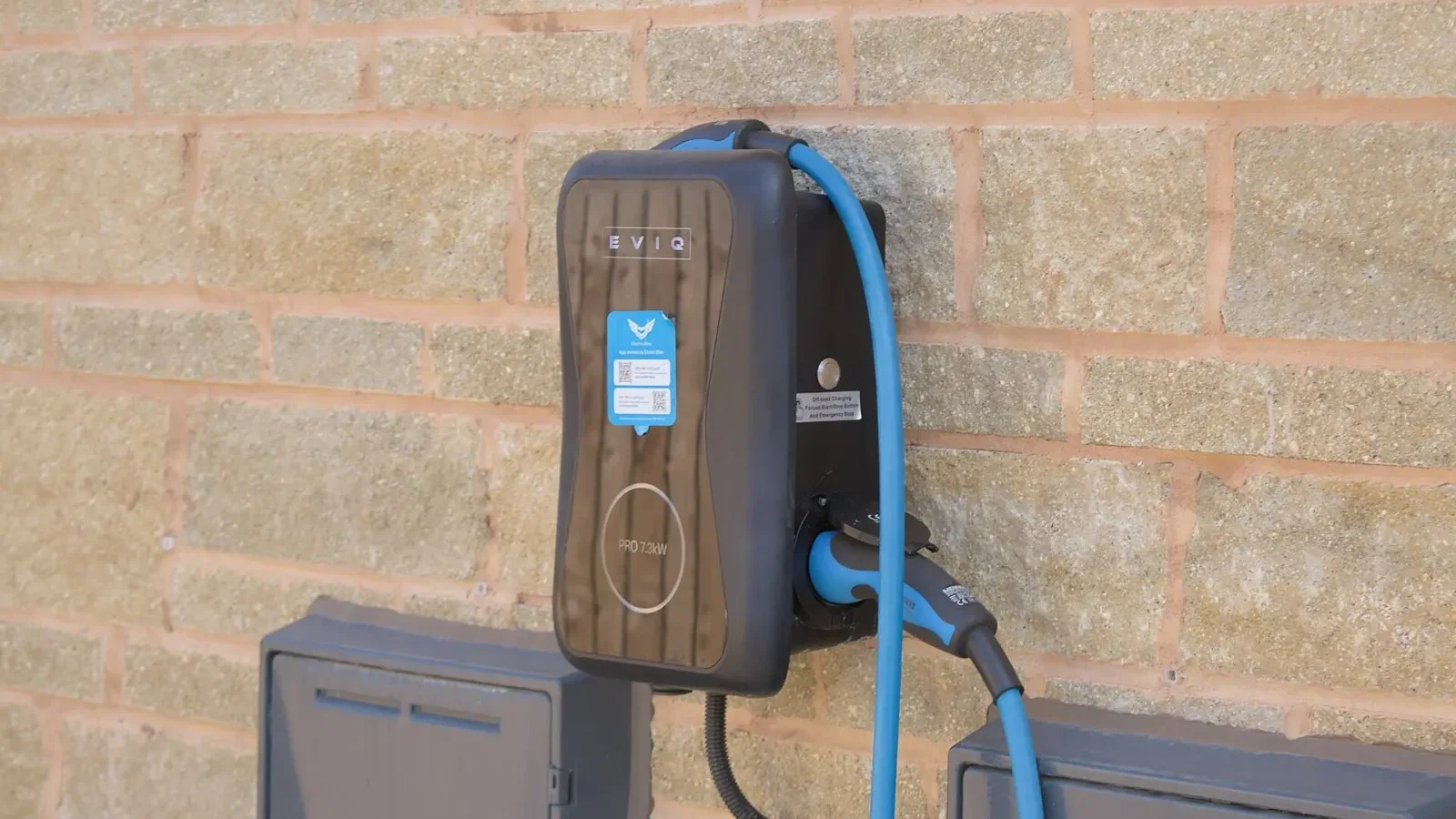
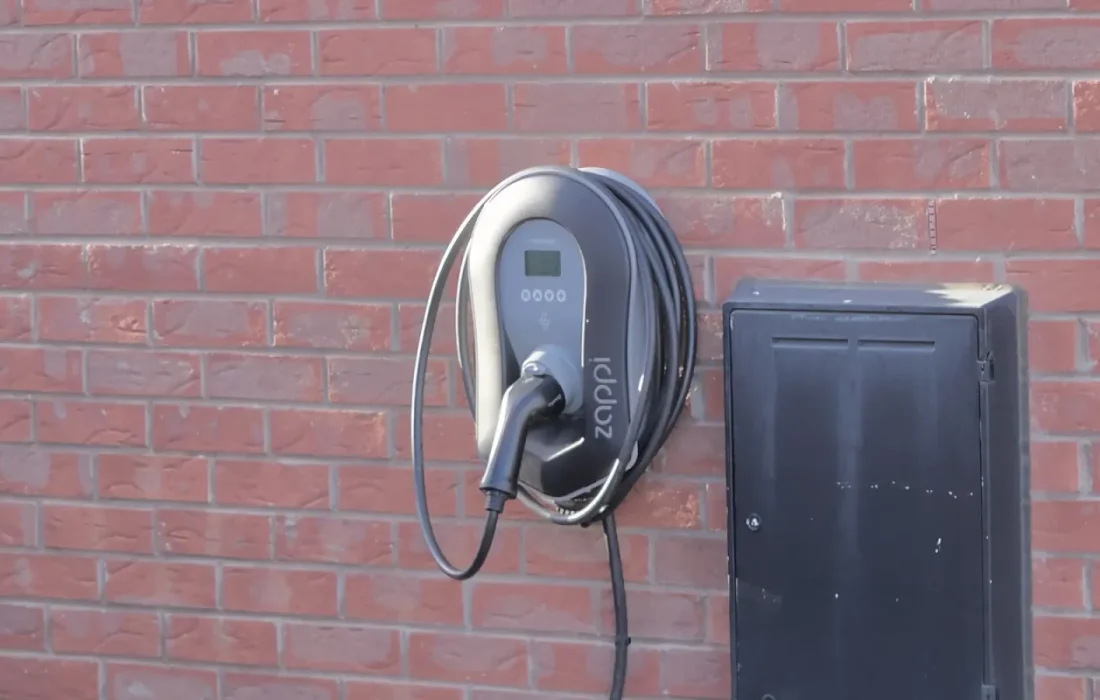
A wallbox, on the other hand, can deliver up to 7.4 kW through a dedicated circuit. It comes with safety features such as current and temperature sensors, residual current protection and a locking cable. You can also schedule charging times through an app. That's why we recommend a wallbox for long-term use. Checking the existing wiring and breaker capacity before installation should also be part of the service.
Charging on an off-peak rate cuts your fuel bill to almost a quarter.
Mark Ellison
Installation in condos and apartment buildings
Installation in an apartment building usually requires approval from the building management. If the parking garage is on a separate level, the cable route and the capacity of the main panel should also be reviewed. Installation should always be carried out by a licensed electrician; this matters for both safety and warranty terms. If necessary, a shared solution can be planned by a decision of the building board.
In complexes with shared parking, installing a dynamic load management system can save money. With this system, several chargers share the same line and charging power is distributed automatically without exceeding the total current limit. Units with individual metering or usage tracking also help split shared costs fairly.
Saving with off-peak rates
Depending on your electricity plan, the price per kWh can be significantly lower at night than during the day. Setting the charger's timer to start during these cheaper hours cuts your monthly costs considerably. Depending on your habits, savings of up to three-quarters compared with gasoline may be possible. Many owners say that with this habit they have noticeably reduced their monthly charging bill and found planning easier.
| Topic | Electric Vehicles |
|---|---|
| Highlights | charging, electric vehicles, battery |
| Reading time | 9 minutes |
| Written by | Mark Ellison |
Key takeaways
- A standard socket is for emergencies only; a wallbox is recommended for everyday use.
- Installation should be done by a licensed electrician; apartment buildings may require approval.
- Off-peak rates and a timer can cut charging costs dramatically.
When doing the math, also factor in the price of the unit, installation labor and any extra costs depending on cable length. For most owners, the investment pays for itself in fuel savings within a few years. Asking your electricity provider about the rate options on your plan is the surest way to find out which time window is cheapest for you.
What do you think about this post?



Leave a comment