




























































The latest EV incentives and tax rules
Follow this link for the full list of official rules on current tax rates, incentives and charging fees for electric cars. We've also summarized the key points.
For anyone planning to buy an electric car, tax rules and incentives are among the most decisive factors. The latest changes updated several tax brackets and also revised the pricing rules for public charging stations. You can find the full text of the official regulations at the link below. We've also summarized, with brief explanations, the provisions that directly affect private and business users.
In this article
- Where the tax brackets stand
- Rules on charging fees
- Incentives for corporate fleets
Where the tax brackets stand
The tax structure for electric cars is generally divided into brackets based on the car's pre-tax value and motor power. These brackets are updated as regulations change, so the tax rate on last year's price list for the same model may no longer apply. Finding out the current bracket before you buy is important for budget planning.
The general trend is for lower-priced, lower-powered models to fall into more favorable brackets. High-performance or premium electric cars may be subject to higher rates. Dealers quote prices including taxes, but it's still worth asking how different models and trim levels fall relative to the bracket thresholds.
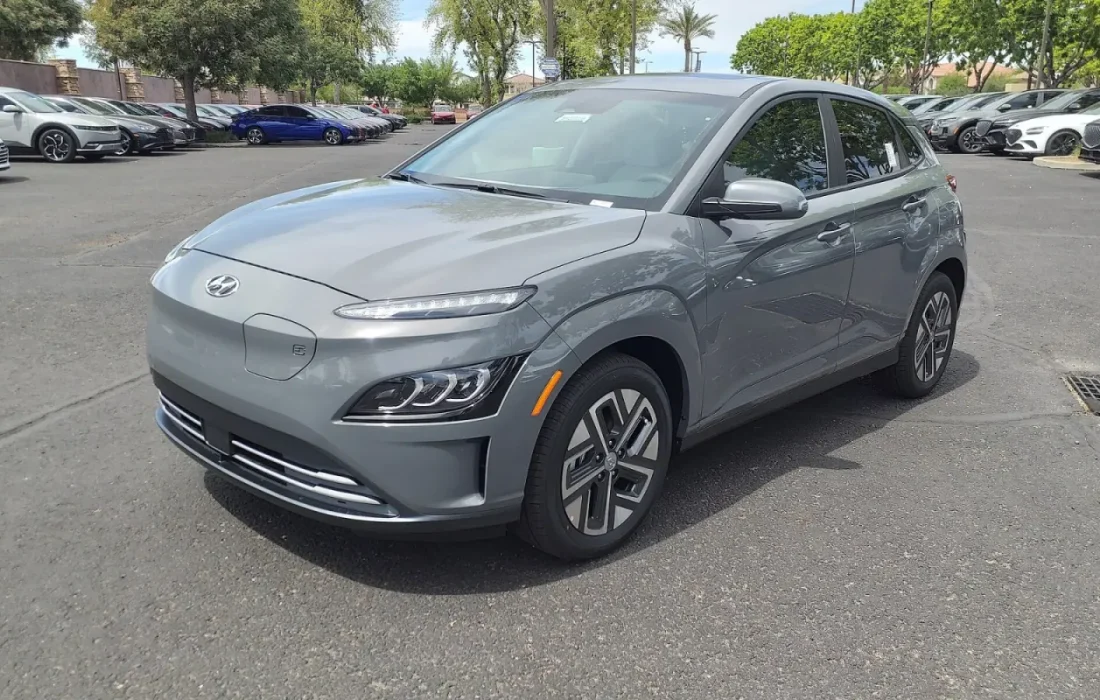
Knowing your tax bracket is the first step to choosing the right model.
Mark Ellison
Rules on charging fees
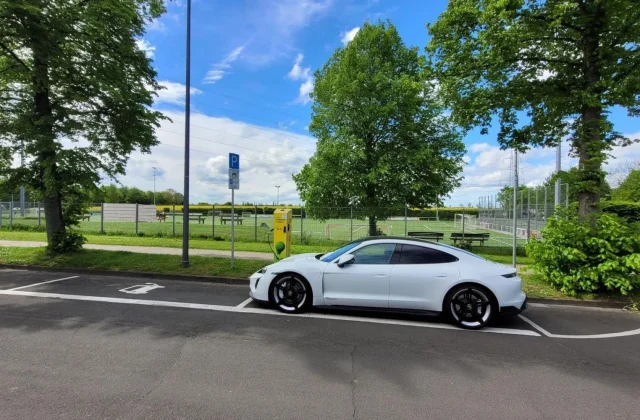
Pricing for charging services is one of the areas that has recently been revised. Operators of public charging stations are expected to display their rates per kWh clearly and to show the price in advance through their apps. Fast charging continues to be priced higher than slow charging as a separate rate. Keeping a close eye on price changes and announcements will also benefit drivers.
Under the rules, operators must notify users of rate changes in advance. On routes served by several operators, users can compare prices across apps. It's worth remembering that charging at home and at work is billed according to your electricity plan. For details, check the latest announcements from the official authorities. These rules are making rates more transparent in drivers' favor.
Incentives for corporate fleets
Incentives and tax benefits for corporate fleets can work differently from those for private buyers. Depreciation periods for company cars, the tax deductibility of running costs and leasing models can make electric vehicles attractive for fleet managers. Since every company's situation is different, it's advisable to consult an accountant. Because these benefits can vary by industry and company structure, professional advice is important.
| Topic | Electric Vehicles |
|---|---|
| Highlights | electric vehicles, charging, price list |
| Reading time | 3 minutes |
| Written by | Mark Ellison |
Key takeaways
- Tax brackets vary by vehicle value and motor power and are updated regularly.
- Public charging stations are expected to display rates clearly and in advance.
- Fleet benefits work differently, so advice from an accountant is recommended.
Large fleets also have to plan for investment in charging infrastructure. Charging points installed in the company parking lot can become a perk that also covers employees' charging needs. For companies that report their carbon footprint, the switch to electric also contributes to corporate sustainability goals. That's why corporate demand looks set to keep growing in the coming period.
What do you think about this post?



Leave a comment