






























































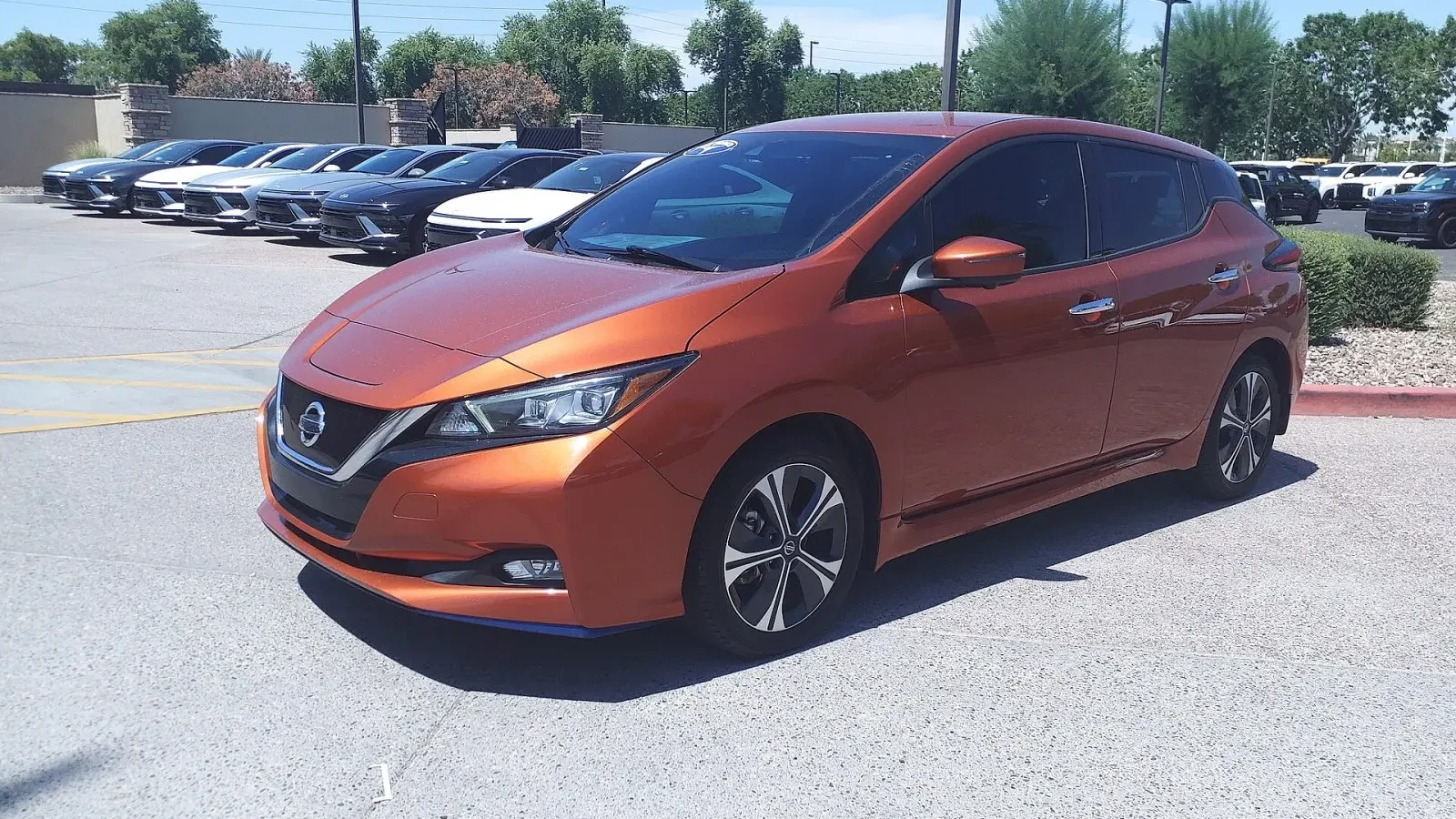
How to check battery health in a used electric car
When buying a used electric car, the most critical question is how much battery capacity is left. We talked to inspection specialists about how to read a battery health report and which warning signs to look for.
Now that electric cars have been on the road for a few years, their numbers on the used market are rising fast. But just as the engine and transmission matter in a combustion car, the battery's condition is decisive in an EV. Inspection specialists stress that besides the battery's state of health, the car's charging history and the voltage balance between cells must also be checked. It is also very important to confirm whether the battery warranty transfers to the new owner.
In this article
- What the state-of-health figure tells you
- Traces of fast-charging history
- Warranty transfer and paperwork
What the state-of-health figure tells you
A battery's state of health expresses its remaining capacity as a percentage of when it was new. A figure like 95 percent shows the battery has kept almost all of its original capacity. Below 80 percent means range loss will be clearly noticeable in everyday use. That's why state of health alone shouldn't be considered enough to base a decision on.
This figure should be interpreted together with the car's age and mileage. For a three-year-old car with 60,000 km (37,000 miles) on the clock, 90 percent may be reasonable. A report is more valuable if, besides the capacity figure, it also shows the voltage difference between cells. If the difference is large, some cells may be weakening. While that difference alone isn't enough for a decision, it offers an important clue and calls for a closer look.

On a used EV, look at the battery report before the odometer.
Ethan Brooks
Traces of fast-charging history
Fast charging heats the battery more than normal charging. In a car that has been fast-charged constantly, capacity loss can be quicker over the long term. You can find this history in the car's charging statistics or service records. Many cars show the overall share of fast charging and the number of charge cycles. This information gives concrete clues about the battery's history.
Ask the seller where the car was usually charged. Cars charged slowly at home generally have healthier batteries. Cars left standing for long periods in cold or very hot climates may also show signs of it. Checking during the test drive whether the range readout reflects a realistic figure gives an extra clue. These details also tell you about how the car has been maintained.
Warranty transfer and paperwork
Many manufacturers offer battery warranties of around eight years or 120,000 km (75,000 miles), covering repair or replacement of the battery if its state of health falls below a certain level. Have an authorized dealer confirm whether the warranty transfers to the second owner; some terms may depend on a complete service history.
| Topic | Used Cars |
|---|---|
| Highlights | used cars, electric vehicles, battery |
| Reading time | 7 minutes |
| Written by | Ethan Brooks |
Key takeaways
- Battery state of health should be read together with the car's age and mileage.
- A history of frequent fast charging and voltage differences between cells can be warning signs.
- Have an authorized dealer confirm that the battery warranty transfers to the new owner.
Before buying, you should ask for all the paperwork: service records, the battery report, warranty documents and any paperwork for the charger. Ask an independent inspection center whether it carries out battery tests specifically for EVs. The battery report determines a car's real value as much as the mileage does, so look at the report first.
What do you think about this post?



Leave a comment