






































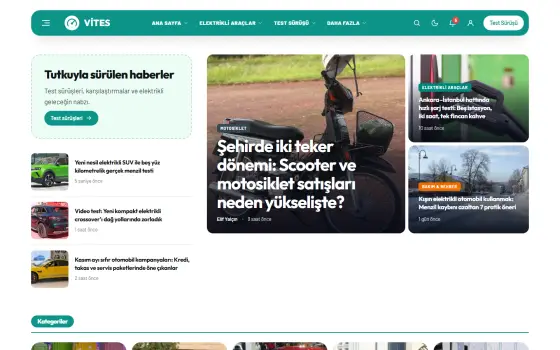














The two-wheeler era in the city: why are scooter and motorcycle sales rising?
Traffic congestion, fuel costs and parking problems have made city dwellers more interested in two-wheelers. We also cover licensing, insurance and safety for beginners.
As time spent in traffic grows in big cities, drivers are looking for alternative ways to get around. In recent years, 125 cc scooters and electric motorcycles in particular have become a top choice for city dwellers thanks to their low running costs and easy parking. Dealers say they have seen a marked rise in the share of first-time motorcycle buyers. Experts warn, however, that proper gear and rider training must not be neglected when switching to two wheels.
In this article
- Why people are switching to two wheels
- The rise of electric scooters
- First steps for beginners
Why people are switching to two wheels
As time spent in traffic grows in congested cities, two-wheelers have become an attractive alternative. A motorcycle can filter through a jammed line of cars and cover the same route much faster than a car. Parking problems all but disappear too; a small space is enough for a scooter. These advantages save time every day in hectic city life.
Fuel economy is another big factor. A 125 cc scooter uses around 2 liters per 100 km (over 115 mpg). Maintenance costs, parts prices and insurance premiums are also lower than for a car. Dealers are seeing a marked rise in the share of first-time buyers, especially among young and middle-aged riders.
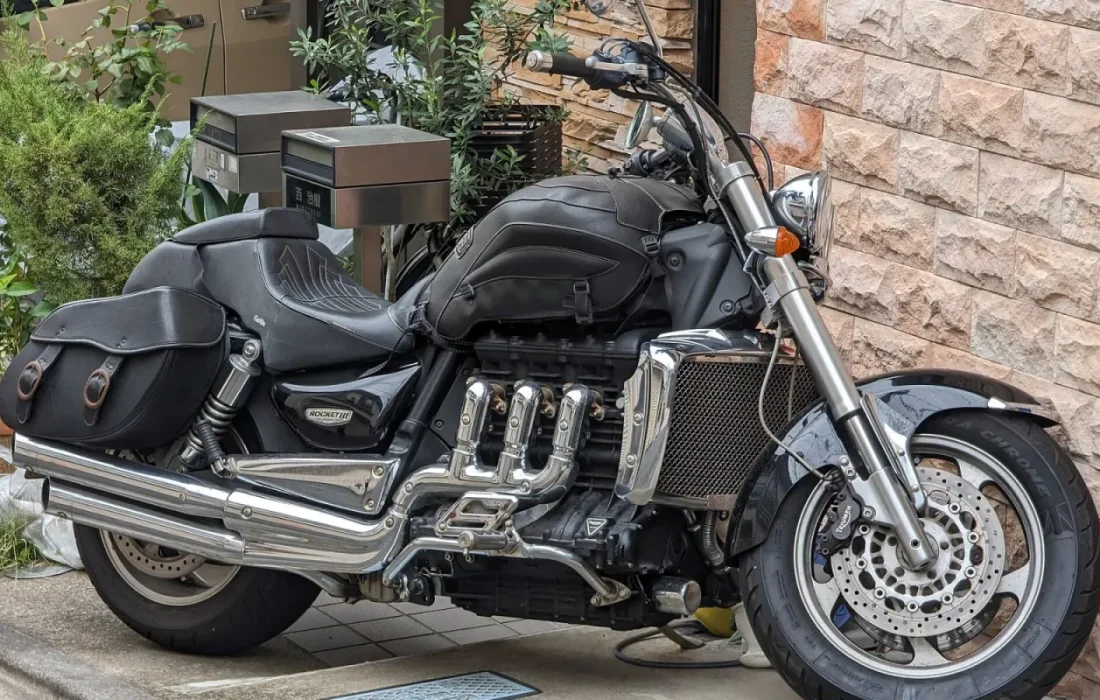
Two wheels save time in the city, but never compromise on safety gear.
Jake Morales
The rise of electric scooters
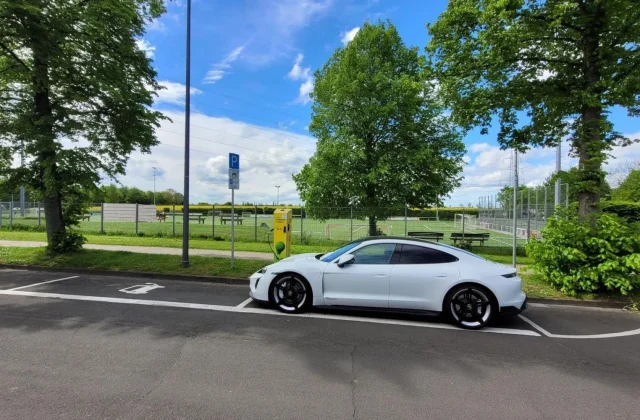
The electric scooter and motorcycle segment is drawing particular interest for city use. Quiet running, low running costs and zero tailpipe emissions are the biggest advantages. Models with removable batteries can be conveniently charged from a regular socket at home or in the office. For someone covering 30 to 40 km (20 to 25 miles) a day, a single charge is more than enough.
Limited range and charging time are still points to bear in mind. A removable battery makes it possible to charge in an apartment, but carrying a heavy battery is a hassle. Newer models also offer the option of fitting a spare battery and fast charging. Electric models are priced slightly higher than their gasoline equivalents.
First steps for beginners
For beginners, the first step is getting the right license class and taking a riding course. Training teaches skills such as braking, cornering and emergency maneuvers in a safe area. Next comes buying a quality helmet, an armored jacket, gloves and boots; this gear greatly reduces serious injuries in a fall.
| Topic | Motorcycles |
|---|---|
| Highlights | motorcycle, fuel economy, electric vehicles |
| Reading time | 6 minutes |
| Written by | Jake Morales |
Key takeaways
- Traffic, parking and fuel costs are boosting interest in two-wheelers.
- With removable batteries, electric scooters make charging at home easy.
- Beginners are advised to take a riding course and wear full protective gear.
Insurance and mandatory liability cover should be sorted out along with registration. In the first few days, it makes sense to gain experience on quiet roads away from heavy traffic. Experts point out that being visible is vital on two wheels: reflective clothing, a light-colored helmet and always riding with the headlight on all help prevent crashes.
What do you think about this post?
Leave a comment