



























































Table of contents
In recent years, the number of students visiting high school counseling offices with anxiety, sleep problems and intense stress has risen markedly. Counselors we spoke with say that in schools where a single counselor is responsible for hundreds of students, they can't give enough time to one-on-one sessions. Child and adolescent psychiatrist Dr. Adam Gaines highlights the importance of early intervention and stresses that families need to take symptoms seriously. Experts recommend expanding school-based prevention programs and accessible mental health services. Young people, for their part, say what they want most is to be listened to without judgment.
The line outside the counselor's office
During exam season, the counseling office door almost never closes. One school counselor we spoke with says she talks to nearly fifteen students a day, most of whom complain of being unable to sleep, a racing heart and a constant feeling that something bad is about to happen. Some of these complaints are temporary; others need to be referred to a specialist. But telling them apart takes time.
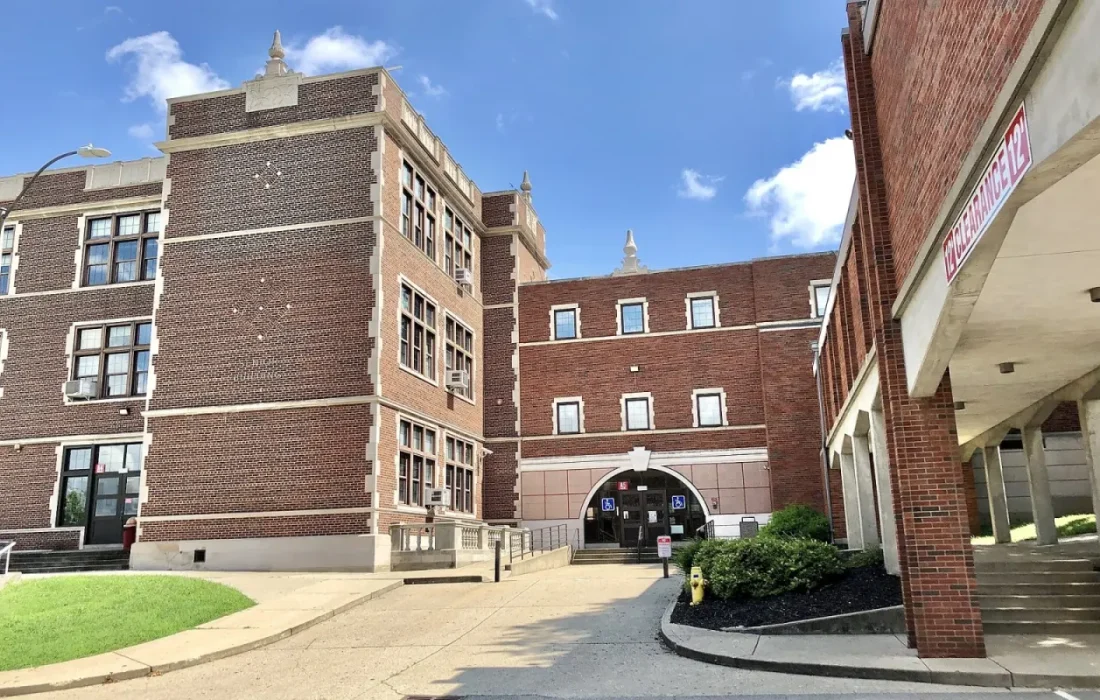
And time is the scarcest resource. In some schools, a single counselor is responsible for hundreds of students and also handles some administrative duties. Counselors say they can set aside only a few hours a day for one-on-one sessions, and most of that goes to emergencies. Preventive work takes a back seat. While students wait their turn, problems can grow.
Young people don't expect solutions from us; first, they want to be heard.
Sarah Bennett
Screens, exams and fear of the future
Three themes stand out in what young people describe. The first is exam pressure: the idea that a single exam decides their future. The second is screens: constant comparison, use stretching late into the night and lack of sleep. The third is anxiety about an uncertain future: will they find a job after graduating, will they be able to rent a place? These three themes often feed each other.
One high school student says she constantly feels behind when she sees her friends' achievements. Another says he tried putting his phone down in the evenings but clung to it again while waiting for exam results. Experts point out that these feelings may be common among young people, but that when they last a long time and make daily life difficult, it's essential to seek professional help.
Recommendations for families and schools
Child and adolescent psychiatrist Dr. Adam Gaines's first recommendation to families is to listen to their children without judgment. He adds that anxiety often shows up as anger, withdrawal or physical complaints, so changes in behavior should be taken seriously. If symptoms last longer than a few weeks, seeing a specialist is a useful rule of thumb.
| Topic | Health |
|---|---|
| Highlights | public health, youth, education inequality |
| Reading time | 8 minutes |
| Written by | Sarah Bennett |
Key takeaways
- Complaints from students visiting counseling offices have risen markedly in recent years.
- The number of students per counselor limits one-on-one sessions.
- Seeing a specialist is recommended when symptoms persist.
There are recommendations for schools too. Reducing the number of students per counselor, classroom programs that teach coping skills for anxiety and fast referral channels to mental health services stand out. Short training sessions to help teachers recognize symptoms are also considered useful. In the end, young people say what they want most is to be heard without judgment, and that even looking for solutions together brings relief.


Leave a comment