





Table of contents
Dr. Hannah Keller has worked for twenty years in the border town where she was posted right after graduating from medical school. In that time, the town's population has changed several times over, and waves of migration into the region have multiplied the workload at the health center. Keller describes how working with patients who speak different languages, treating traumatized children and finding solutions with limited resources have transformed her. Asked whether she has ever thought of leaving, she answers with a smile. In our video interview, you'll hear twenty years of testimony through Keller's eyes.
Her first day in town
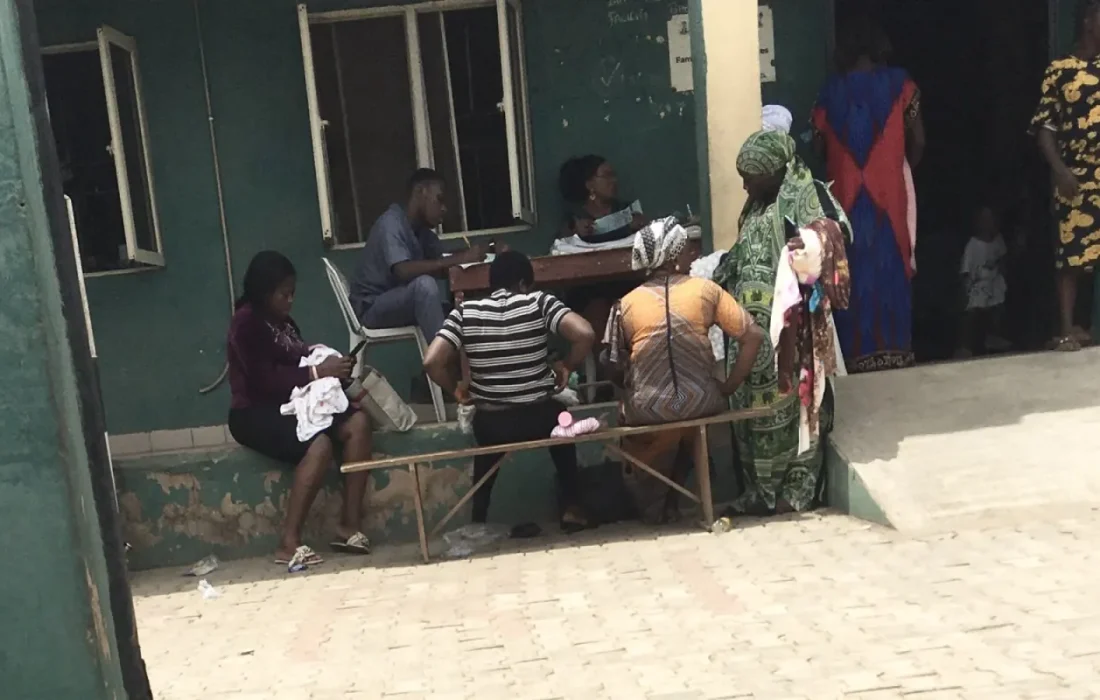
Dr. Hannah Keller still remembers her first day in town in detail. When she got off the bus, she had a suitcase and her posting letter in hand, and half the town was waiting in line at the health center door. She says she saw more than thirty patients that first day and couldn't even tell which language half of them were speaking. She doesn't hide that she was smiling on the outside but scared on the inside.
In the health center's early years, both equipment and staff were scarce. During power cuts, examinations went on by lamplight, and the ambulance sometimes took hours to arrive. Keller says those years taught her to prioritize. Accepting that she couldn't cure every patient, but could do everything in her power not to leave any of them alone, was the hardest and most instructive lesson of her career.
Whatever language a patient speaks, pain speaks the same one.
Sophie Laurent
After the waves of migration
Waves of migration changed the makeup of the town several times. At times, the population doubled in a short period while the health center kept working with the same number of staff. Keller says it was during this period that she learned to work with interpreters, communicate with picture cards and speak to a child with family members present. The town's first interpreters were neighbors and schoolteachers who volunteered.
Working with traumatized children is, in her view, the hardest part. She remembers a child who stayed silent for years and then one day smiled for the first time. She doesn't describe this as a personal success but as the shared work of the whole town. To her, health care is not just examinations; it is a safety net woven together by the school, neighbors and local government. The tighter the net, the easier it is for children to recover.
Advice for young doctors
Her advice to young doctors is simple: never forget to listen to the patient, and keep protecting yourself. After twenty years, she knows the risk of burnout, which is why she has made a weekly mountain hike a habit. She admits she once considered going away for specialist training but couldn't leave her work in the town. She describes this advice as knowledge gained from her own hardships, the kind you won't find in any book.
| Topic | Interview |
|---|---|
| Highlights | migration, health system, women's work |
| Reading time | 7 minutes |
| Written by | Sophie Laurent |
Key takeaways
- On her first day, Keller saw more than thirty patients, many with no common language.
- During waves of migration, the health center served twice the population with the same staff.
- She advises young doctors to listen to their patients and protect themselves.
Asked whether she has ever thought of leaving, she answers with a smile. She says she sometimes has, but every time a patient or a neighbor made her put it off. For Keller, the most important measure in this work isn't how many patients you see but how much the town trusts you. The interview in our video shows that twenty years as a doctor is not only a story about health but also a story about being a neighbor.


Leave a comment