






















































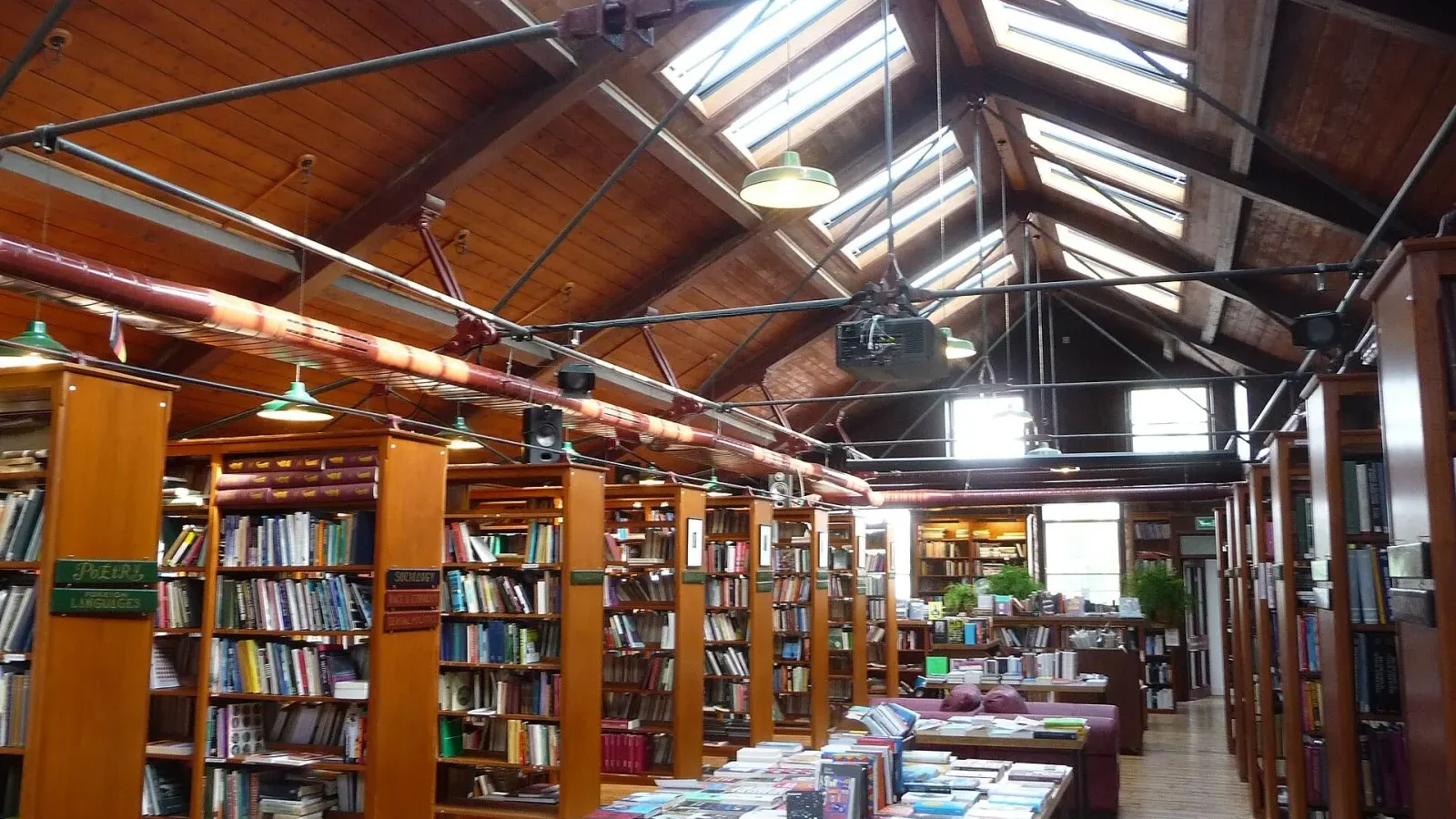
Independent bookstores are closing: Where did the readers go, and where are books headed?
Many neighborhood bookstores have shut their doors in recent years. We talked with booksellers, publishers and readers about a changing reading culture.
Table of contents
Independent bookstores, once a meeting point in every neighborhood, have been closing one after another in recent years. Rising rents and paper costs, combined with aggressive discounting by online retailers, have left small shops unable to compete. Neil Foster, who closed his forty-year-old bookstore last month, says customers would handle books on his shelves and then order them online. Meanwhile, bookstores that have reinvented themselves with author talks, reading clubs and café corners are managing to survive. Publishers say young readers are returning to books through social media recommendations.
The last day of a neighborhood bookstore
On the last day at Mr. Foster's shop, the shelves were half empty and a "business for sale" sign hung in the window. The veteran bookseller, who sold books on the same street for forty years, says the closure didn't come in a single day but slowly, over years. First, there were fewer customers at lunchtime; then new releases stopped arriving; and in the end, he started dipping into his own savings to pay the rent.
Most of the people who came on the shop's last day were neighborhood residents. One remembered buying his first book there as a child; another recalled spending hours browsing the shelves in high school. Foster says his customers were sentimental, but their shopping had moved elsewhere. Bookstores were not just a place to buy books but a meeting point that kept the neighborhood's reading habit alive.
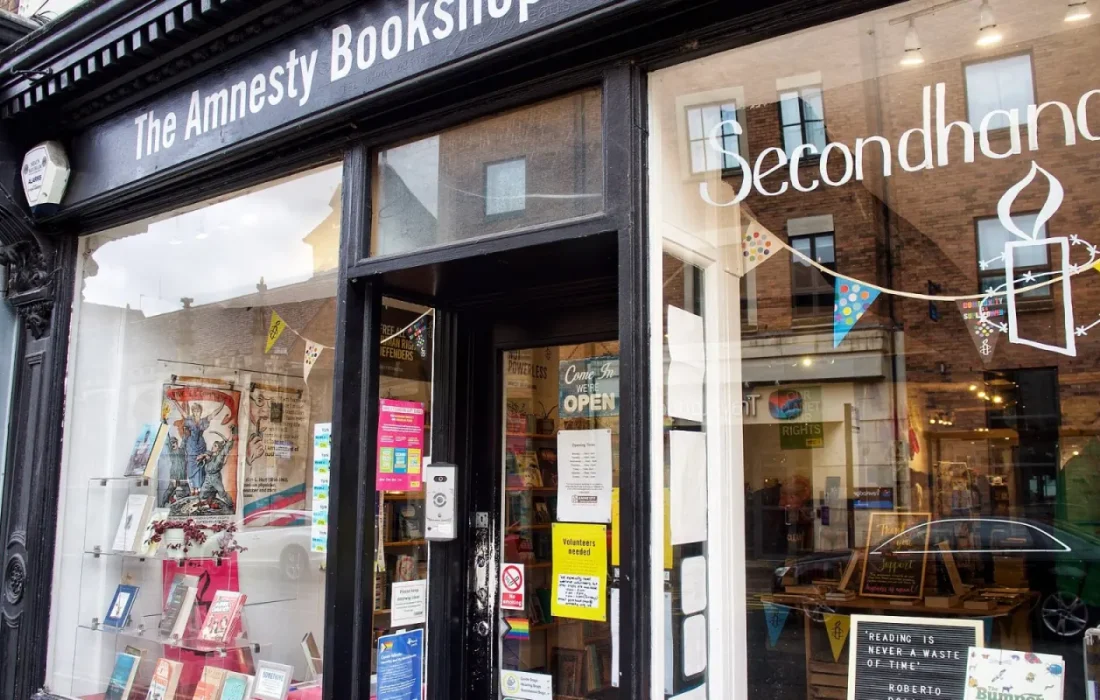
A bookstore doesn't just sell books; it carries a neighborhood's memory.
Sophie Laurent
Paper costs and online discounts
For booksellers, the two heaviest costs are rent and paper. Rising paper prices are passed on to book prices, but online retailers' discounts make price competition almost impossible for independent shops. Small bookstores are forced to sell at the same price as the discount they get from publishers, and their profit margin often approaches zero.
The customer who browses the shelves, handles a book and then orders it online is a story often told in the trade. Publishers call it a kind of showroom effect: the bookstore enables discovery, but the sale happens elsewhere. Some publishers are trying campaigns in partnership with independent shops, but so far these reach only a limited number of stores.
The secret of the survivors
What the survivors have in common is that they offer something beyond selling books. Bookstores that host author talks and signings, reading clubs and a small café corner are gaining importance in their neighborhoods again. One bookseller says there is no more effective way to compete than getting to know your customers and recommending the right book.
| Topic | Culture |
|---|---|
| Highlights | youth, investigation, digitalization |
| Reading time | 7 minutes |
| Written by | Sophie Laurent |
Key takeaways
- Rising rents and paper costs are wiping out small bookstores' margins.
- Readers sometimes discover a book on the shelf and then order it elsewhere.
- Bookstores that offer talks, reading clubs and a café corner are surviving.
Publishers say young readers are returning to books, driven by recommendations shared on social media. If channeled well, this interest could also benefit neighborhood bookstores. Some booksellers have started making their own video recommendations. But experts say that without structural steps such as rent support, common rules on book pricing and partnerships with libraries, these efforts will remain limited.

Leave a comment