




























































The journey of seasonal farmworkers: A harvest season in photographs
Every year, thousands of families travel from one end of the country to the other for the harvest. Our photojournalist accompanied a family of seasonal farmworkers on their harvest journey.
Table of contents
Behind the hazelnuts, cotton and apricots on our tables lies the labor of seasonal farmworkers who travel thousands of miles every year. Our photojournalist accompanied a family from a village in the southeast on their three-month harvest journey. Workdays that begin at first light, living conditions in tent camps and children kept away from school are all part of the story documented in this gallery. The family's women work a double shift, in the fields and in the tent.
Setting off
The journey begins while it's still dark in the village. The family loads blankets, cooking pots and the children's school bags into the back of a pickup truck. On a road trip that will last more than twenty hours, the first stop is the tea stand at the edge of town. The gallery's first frames show a small bundle in the mother's hands, the father's face turned toward the road and the children asleep in the back seat. During short breaks along the way, the children fill bottles at roadside fountains.
The first day of the journey is a shared preparation for seasonal farmworker families. Two or three families from the same village set off together, splitting the travel costs and supporting each other when they arrive. When they reach the harvest site, where they've been waiting to hear from a labor broker, the daily wage and working hours often haven't even been settled yet. This uncertainty is the hidden burden of the journey.

Nobody thinks about how many hands touch this produce before it reaches the table.
Emily Carter
Long days in the fields
The day in the fields starts at dawn and goes on even when the sun is at its peak. In the photographs, the family's women have scarves tied over their heads and baskets in hand as they work between rows of trees. Some of the children look after their younger siblings; others pick alongside the adults. Even during the school year, absenteeism is one of these families' problems.
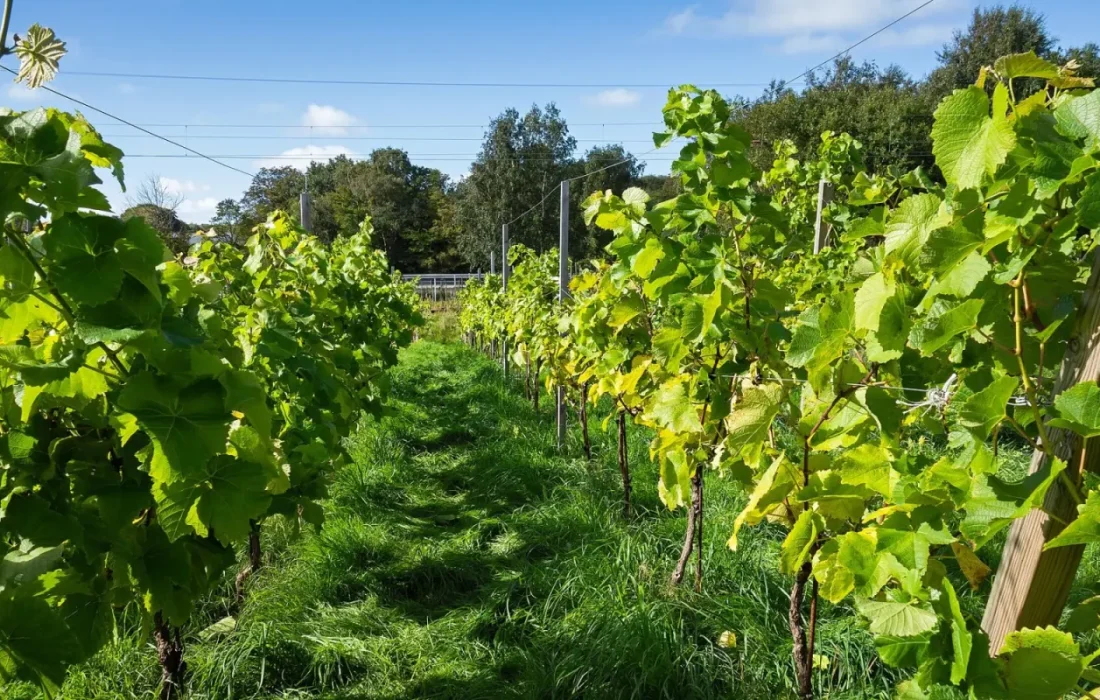

Wages are usually calculated by the day and reach the workers through the broker. The father says that at the end of the season, most of their earnings go to travel, food and debts, and what's left isn't enough to get through the winter. The long working hours and short breaks for rest and meals are evident in the photographs. When the harvest is at its peak, the workday can stretch to nearly twelve hours.
Life in a tent
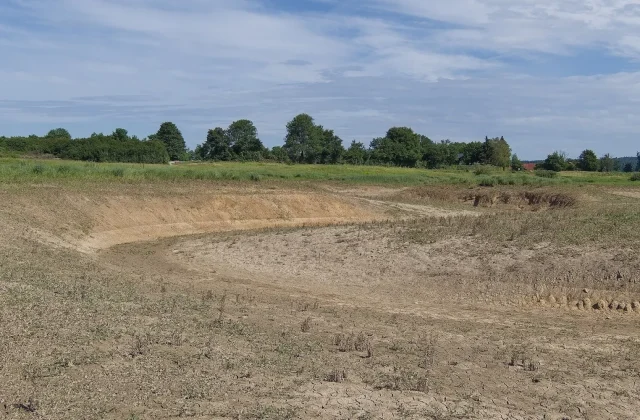
The tent camp has been set up in a clearing at the edge of the field. Inside the tent, there are mattresses on the ground, a stove in one corner and a washing area separated by a plastic sheet. In hot weather, the inside of the tent becomes unbearable; in the rain, the floor turns to mud. Access to clean water and toilets is one of the camp's biggest problems. The bare earth around the tents brings a different problem every season.
| Topic | Society |
|---|---|
| Highlights | workers' rights, food security, women's work |
| Reading time | 5 minutes |
| Written by | Emily Carter |
Key takeaways
- The family travels more than twenty hours from their village in the southeast to the harvest region.
- Most of the season's earnings go to travel, food and debts.
- Access to clean water and toilets is the camp's main problem.
In the evenings, families gather in the camp and shake off the day's fatigue over tea and conversation. There is a reading hour for the children organized by volunteers, but attendance is limited. In the mother's words, life in a tent is temporary, but it is a temporariness that comes back every year. The gallery's last frame shows the evening light slowly settling over the camp and the family gathered around the stove among the tents.
Leave a comment