




























































Which renovation work requires a permit?
Knowing which work needs a permit when renovating your home protects both your safety and your legal position.
Table of contents
When planning a home or office renovation, most people focus on design and budget, but whether the work requires a permit matters just as much. Some changes can affect a building's earthquake safety, while others require approval from the owners' association or a city permit. Unpermitted renovations can lead to both safety risks and legal penalties. In this article we outline the main points to keep in mind when renovating.
Work that affects the structure
Any work on structural members such as columns, beams, shear walls and slabs can change how a building behaves in an earthquake. Cutting, drilling or removing these members must never be done without a structural assessment and the required permits. Keep in mind that in reinforced concrete buildings, some walls may also be load-bearing.
Such changes usually require renovation drawings and a permit from the city. Work that is not structurally acceptable should not be done, however minor it may seem. Getting advice from a civil engineer first is the right place to start.

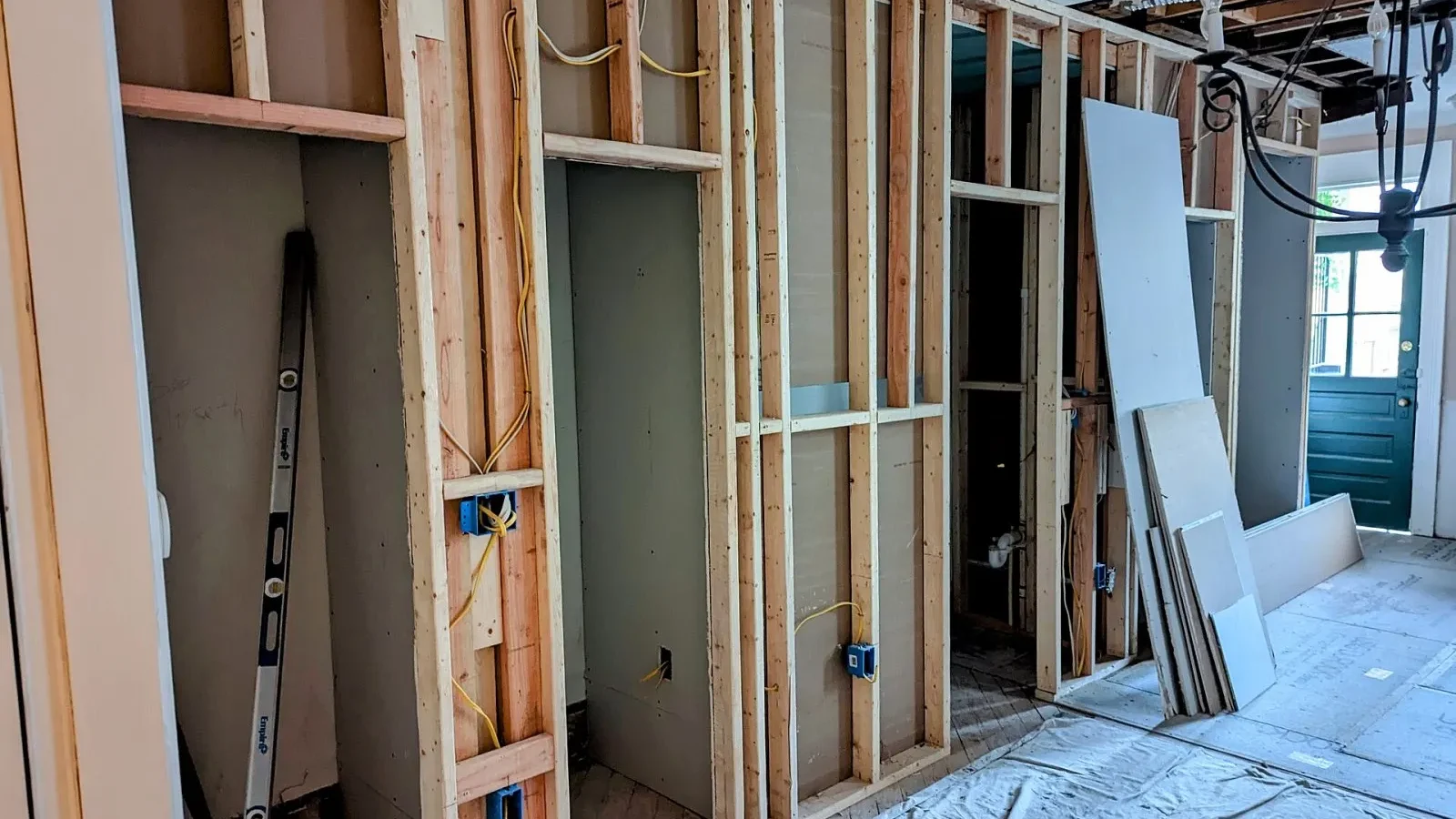
Before removing a wall, you need to know what that wall is carrying.
Sophie Laurent
Facades and common areas
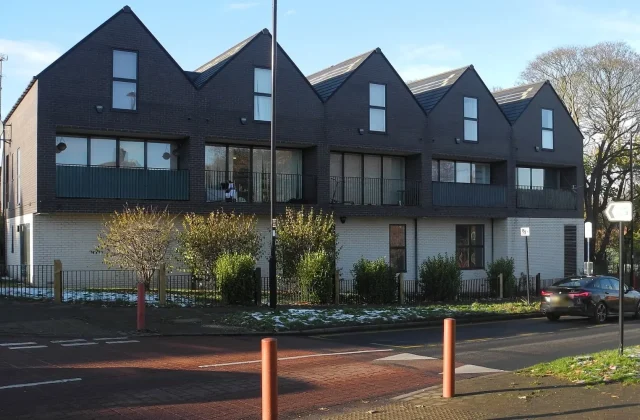
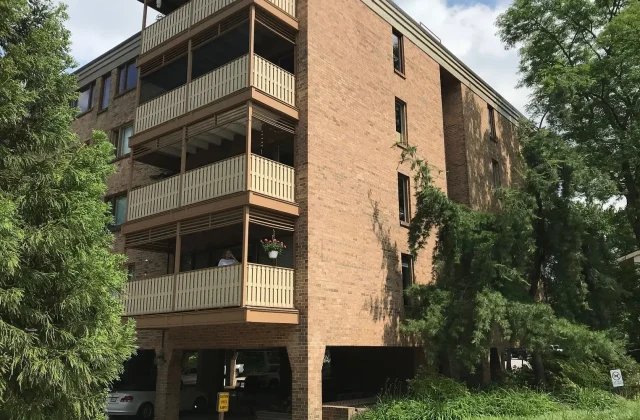
Facade changes, enclosing balconies, resizing windows and add-ons such as exterior air conditioning units affect the building's appearance and common areas. This kind of work may require approval from the owners' association and, in many cases, a city permit.
Plumbing and electrical work that affects common areas, and changes to the use of roofs and basements, should be treated the same way. The building's bylaws may include additional rules on these matters; it is wise to review them and inform building management before renovating.
Work that needs no permit, and some advice
Interior work that does not touch the structure or the main service lines, such as painting, new flooring, kitchen cabinets and bathroom tiles, usually does not require a permit. Even so, pay attention to local rules and good neighborly relations regarding working hours, noise and debris removal.
| Topic | Design & Permits |
|---|---|
| Highlights | renovation, building permit |
| Reading time | 5 minutes |
| Written by | Sophie Laurent |
Key takeaways
- Work on structural members requires a structural assessment and a permit.
- Facade and common area changes may need owners' association approval and a city permit.
- Interior renovations usually need no permit, but inform building management anyway.
Obtaining the building's existing drawings, listing the planned work and getting expert advice before you start will make the process easier. When replacing plumbing or wiring, taking photos before the walls are closed up makes future work much easier. This article is for general information only; check your local city's current practices for your project.
2 Comments
Really useful piece, thank you for putting it together.
I had never thought about this side of it. Looking forward to a follow-up.