
























































Construction site safety: Core principles and common risks
Construction is one of the industries with the highest rate of workplace accidents. How do you build a safe site?
Table of contents
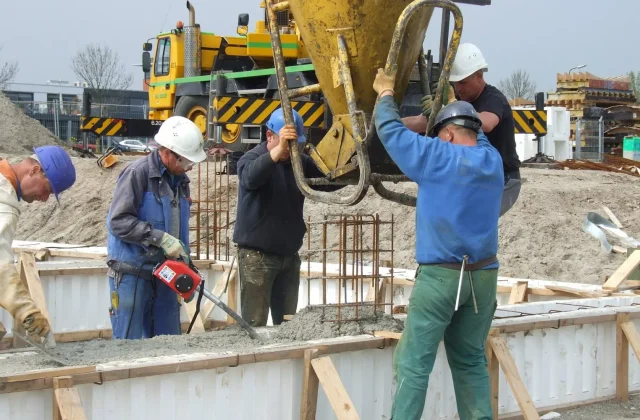
Construction is one of the leading industries for workplace accidents, both locally and around the world. Working at height, heavy machinery, excavations and a constantly changing work environment make construction sites places full of risk. Yet most accidents are preventable. In this article we share the core principles of site health and safety, the most common risks and how to build a lasting safety culture.
Why it comes first
Health and safety is not a cost item of production but a precondition for it. Occupational health and safety law requires employers to carry out risk assessments, train workers and take the necessary precautions. Construction work is classified as highly hazardous.
A risk assessment should be carried out on every site, and a safety specialist and, where needed, an occupational physician should be assigned. The basic rules are that workers receive training before starting and at regular intervals, know the risks of their tasks and use the required personal protective equipment.
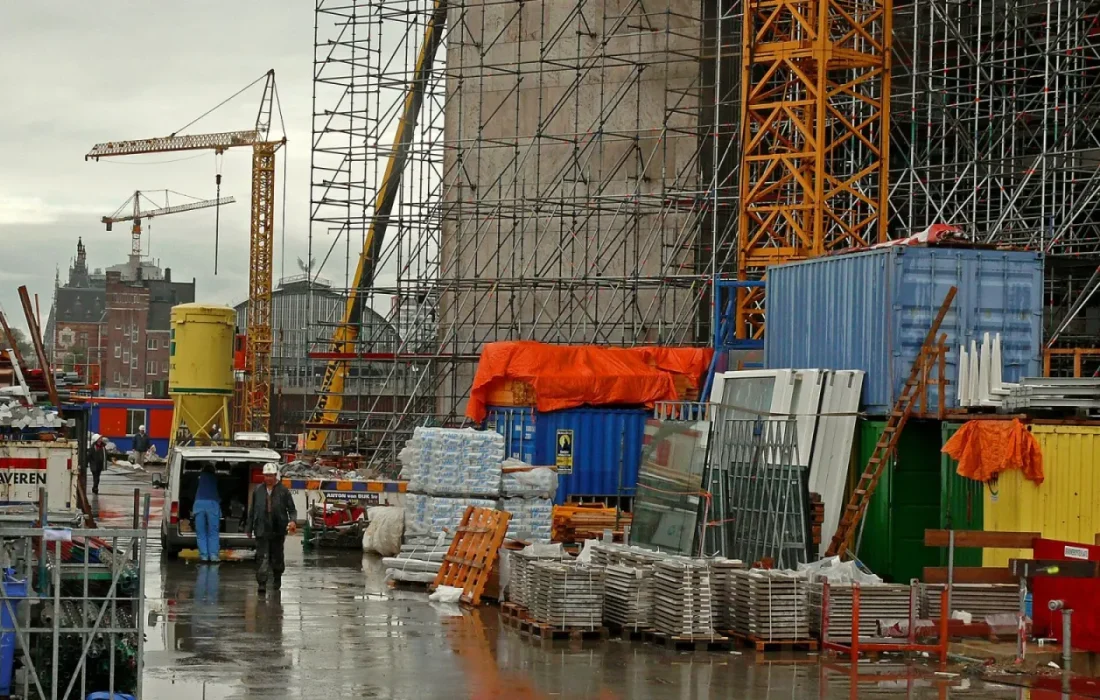
A safe site is also an orderly and efficient one.
Jake Morales
High-risk work
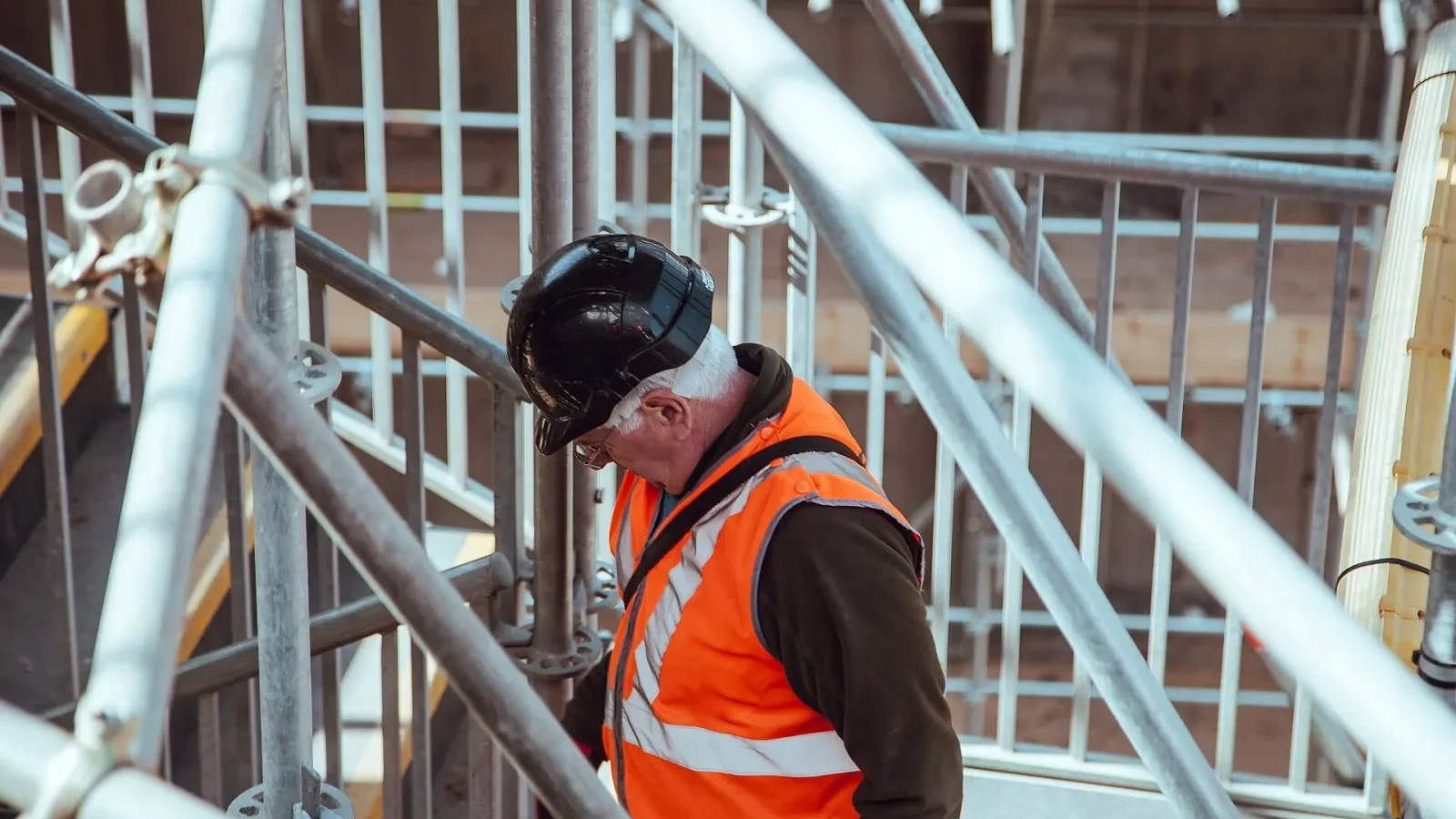
Working at height is one of the leading causes of construction accidents. Collective protection measures such as scaffolding, guardrails and safety nets should come before personal protective equipment. Scaffolding must be erected and checked by competent people and inspected before use.
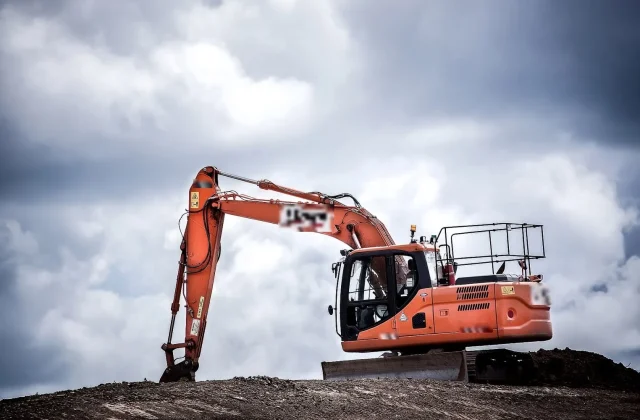
In excavation work, the risk of collapse is controlled with shoring and sloping. For cranes and heavy machinery, operator competence, periodic inspections and securing the work area are essential. Electrical installations and material storage are also risk areas that must not be overlooked.
Safety culture
Lasting safety comes not only from rules but from a safety culture. Managers following the safety rules themselves, workers being able to report hazards without hesitation and near misses being recorded are all part of that culture.
| Topic | Building Safety |
|---|---|
| Highlights | site safety |
| Reading time | 5 minutes |
| Written by | Jake Morales |
Key takeaways
- Construction is classified as highly hazardous; risk assessments are mandatory.
- Collective protection comes first when working at height.
- Recording near misses is part of a safety culture.
Short daily toolbox talks are an effective way to discuss the risks of the day's work. Subcontractors must follow the same rules and be inspected as well. Every investment in safety not only protects lives but also helps the work move forward in an orderly way and on schedule.
2 Comments
Really useful piece, thank you for putting it together.
I had never thought about this side of it. Looking forward to a follow-up.