



























































Thermal insulation and energy certificates: What do they mean?
A building's energy performance directly determines living comfort and operating costs.
Table of contents
At a time of rising energy prices, how much energy a building uses matters more and more for both budget and comfort. An energy performance certificate shows a building's energy performance as a rating; it comes into play for new buildings and for sales and rentals. In this article we explain what an energy certificate means, how thermal insulation affects a building's performance and what improvements can be made to existing buildings.
What is an energy performance certificate?
An energy performance certificate rates a building by assessing its annual energy needs for heating, cooling, hot water and lighting, and the related carbon emissions. The rating is shown with letters; more efficient buildings receive higher grades.
For new buildings, the energy certificate is issued as part of the occupancy permit process. For existing buildings, it may come into play when selling or renting. The certificate gives buyers and tenants comparable information about a building's energy performance.

The cheapest energy is the energy you never use.
Sophie Laurent
The impact of insulation
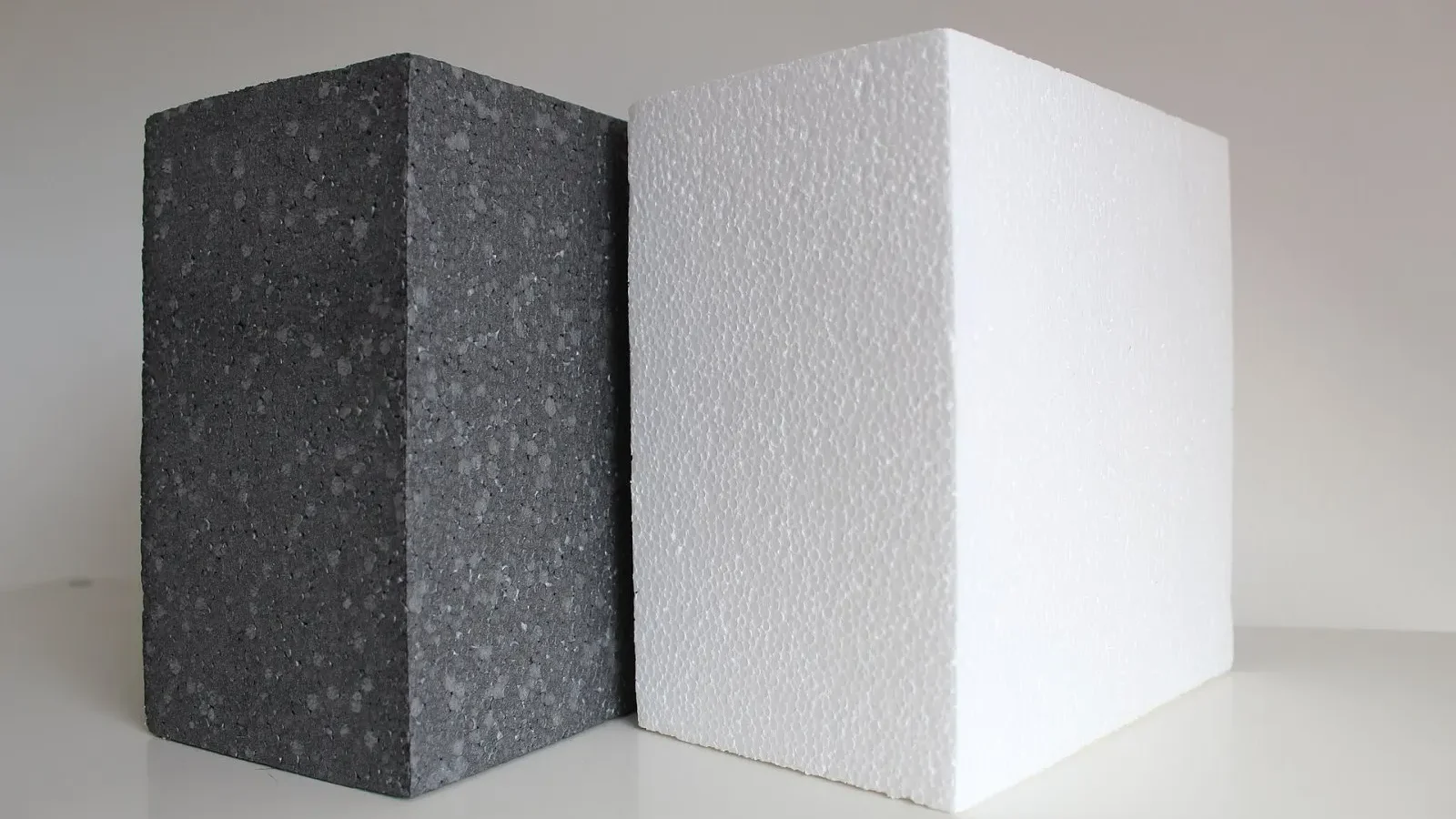
A large share of a building's heat loss occurs through exterior walls, the roof, windows and the ground floor. Exterior wall insulation, roof insulation and insulated windows reduce these losses. Properly installed insulation lowers heating needs in winter and cooling needs in summer.
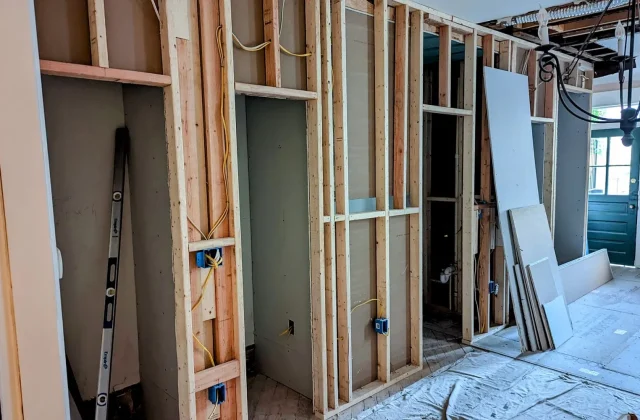
In insulation, installation details matter as much as the materials. Keeping insulation continuous at the beam-column and slab junctions known as thermal bridges prevents condensation and mold. That is why insulation work should follow the design details and be carried out by experienced crews.
Upgrading existing buildings
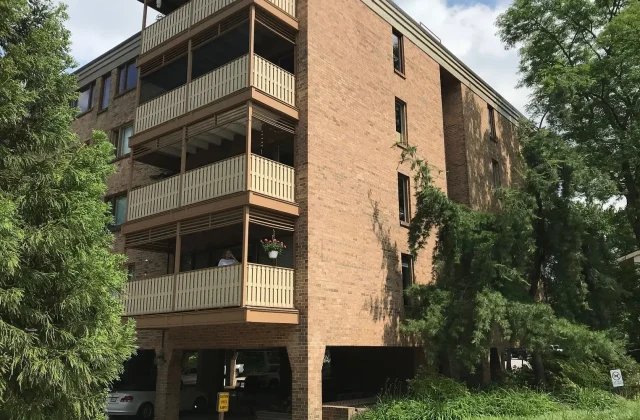
To improve the energy performance of existing buildings, options such as exterior wall insulation, roof insulation, window replacement and a new heating system can be considered. In apartment buildings, exterior work requires a decision by the owners' association.
| Topic | Living Spaces |
|---|---|
| Highlights | insulation, energy certificate |
| Reading time | 5 minutes |
| Written by | Sophie Laurent |
Key takeaways
- An energy performance certificate rates a building's energy performance.
- Wall, roof and window insulation reduces heat loss.
- Continuous insulation at thermal bridges prevents condensation and mold.
Which improvement should come first depends on the building's current condition. An assessment by an energy specialist helps determine priorities and the return on investment. This article is for general information only; get an expert assessment for your building.

2 Comments
Really useful piece, thank you for putting it together.
I had never thought about this side of it. Looking forward to a follow-up.