




























































Why does a geotechnical survey matter? The first step in choosing a foundation
A building's safety starts with a proper understanding of the ground it stands on.
Table of contents
However carefully a building's upper floors are designed, it cannot be called safe unless the ground beneath it is properly understood. A geotechnical survey determines the geological and geotechnical properties of the site where a building will stand, and it is one of the documents required for a building permit. In this article we explain what a geotechnical survey is, how it is carried out and how its results shape design decisions.
What is a geotechnical survey?
A geotechnical survey is the combination of field and laboratory work that determines the soil's layers, bearing capacity, settlement behavior, groundwater level and behavior during an earthquake. The resulting report is one of the key inputs to the structural design.
Identifying problem soils in advance, such as loose sands prone to liquefaction, expansive clays and fill areas, allows suitable measures to be taken at the design stage. These measures are far more economical than dealing with problems discovered after construction has started.
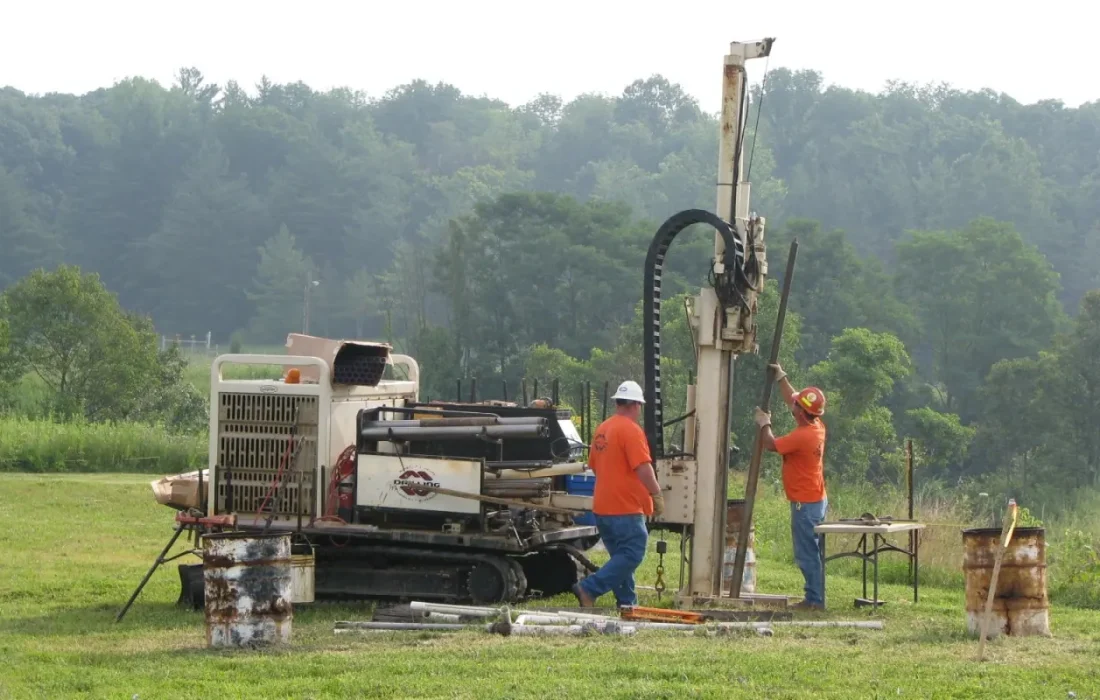
A foundation built without knowing the ground puts even the strongest structure at risk.
Jake Morales
How is the survey carried out?
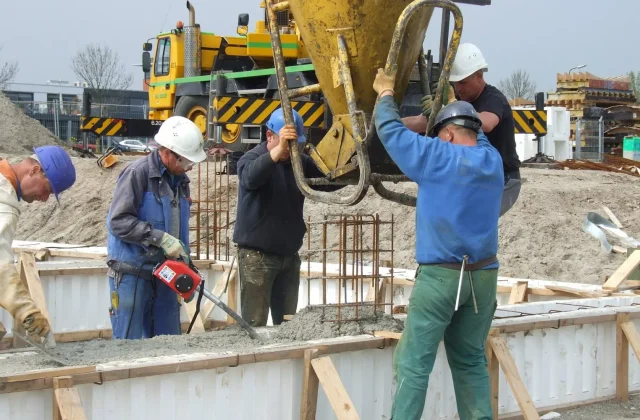
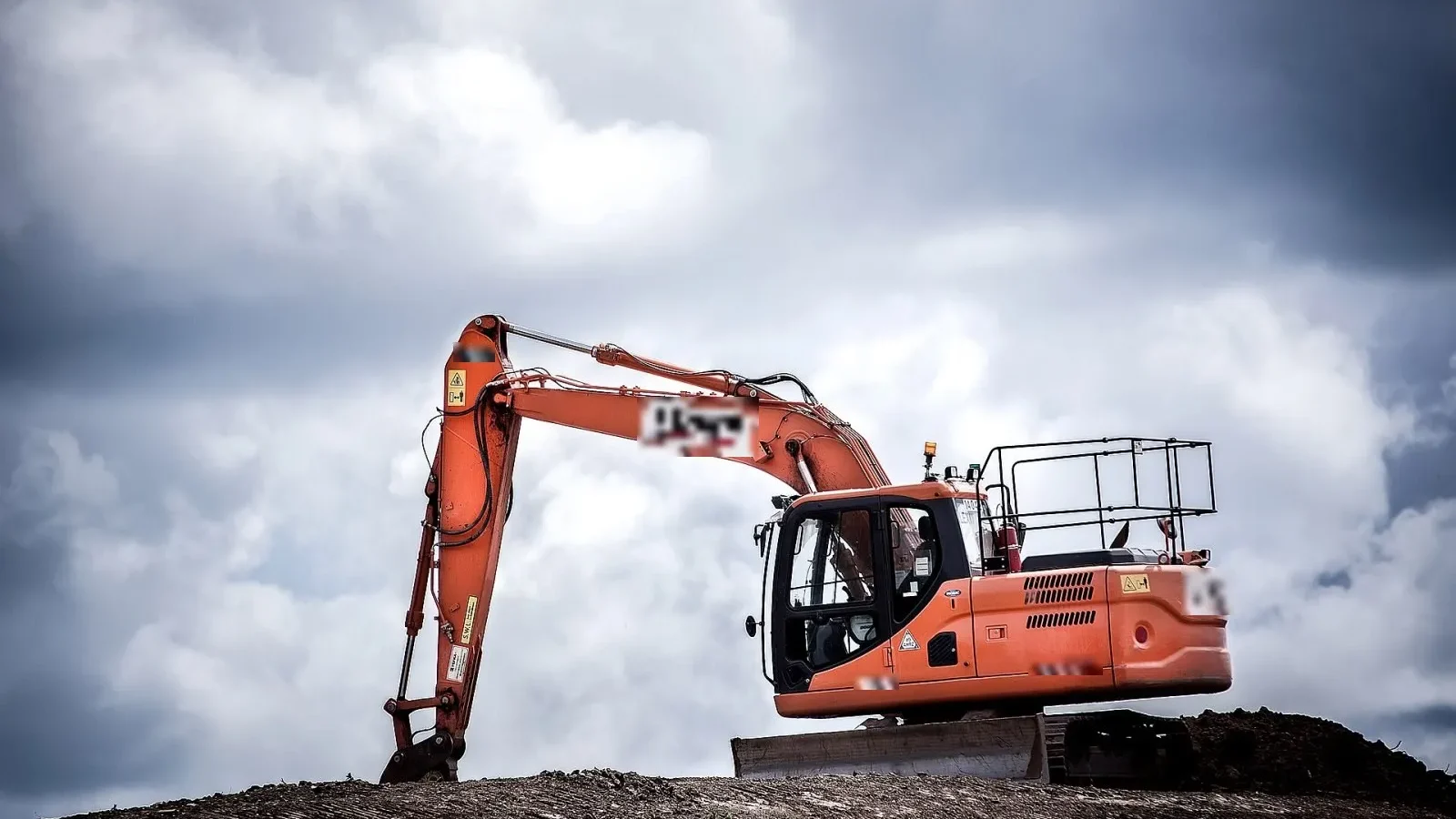
In the field, boreholes are drilled, samples are taken from different depths and in-situ tests are performed. The number and depth of boreholes depend on the size of the building and the characteristics of the site. Geophysical methods also provide additional information about the overall ground structure.
The samples are tested in the laboratory to determine the soil's strength and compressibility. All the data is then combined into a geotechnical report, which includes recommendations on the foundation type and any need for ground improvement.
How do the results affect the design?
The results of the geotechnical survey directly determine the choice of foundation system. On good ground, isolated or strip footings may be enough, while weak ground may require a mat foundation, piles or ground improvement. These decisions also have a major impact on the building's cost.
| Topic | Building Safety |
|---|---|
| Highlights | geotechnical survey, structural |
| Reading time | 5 minutes |
| Written by | Jake Morales |
Key takeaways
- A geotechnical survey is required for a building permit.
- Boreholes and laboratory tests determine the soil's bearing capacity and behavior.
- Survey results directly affect the foundation system and cost.
The presence of groundwater determines the waterproofing and drainage design of basements, while the condition of neighboring buildings determines the shoring measures needed during excavation. Investing in a geotechnical survey is the most fundamental step in keeping a building safe throughout its life. This article is for general information only; consult qualified engineers for your project.
2 Comments
Really useful piece, thank you for putting it together.
I had never thought about this side of it. Looking forward to a follow-up.