






















































Table of contents
After nearly three years of construction, the city's long-awaited tram line opened at a ceremony today. The 14-kilometer line connects the eastern and western districts of the city with 22 stops. Officials said the new line will cut the journey between the two districts from an hour to 25 minutes. On the first day, thousands of residents lined up at the stops to try the new tram. Our reporter spoke with passengers on the first run.
The route and stops
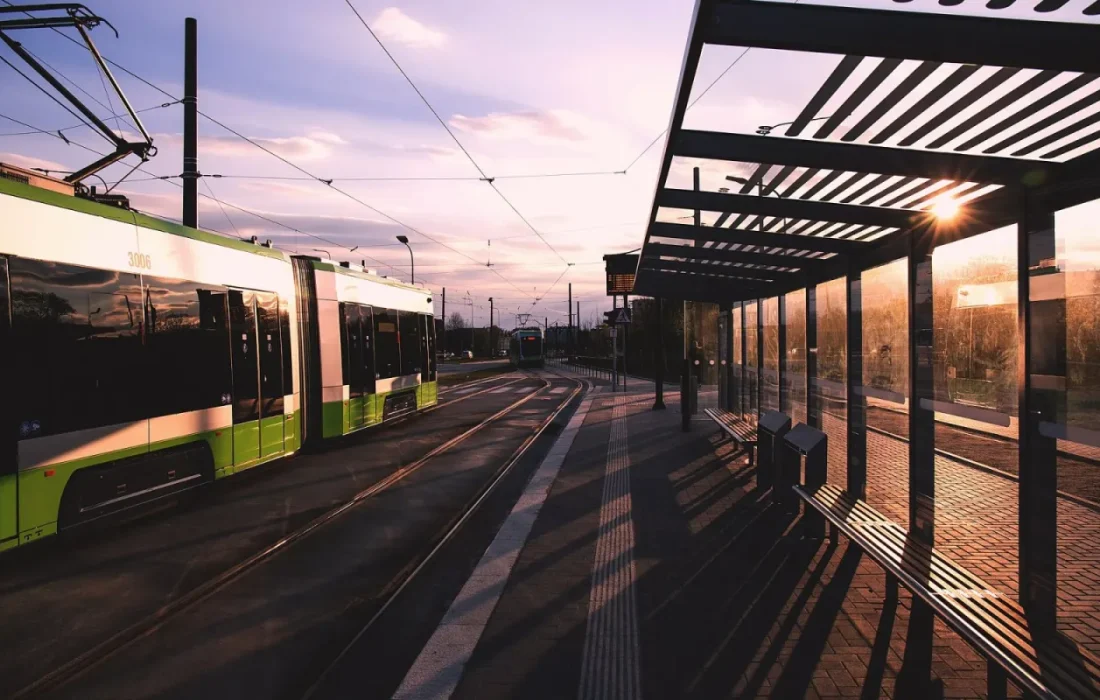
The line runs from a terminal near the industrial park in the east to the front of the university campus in the west. Four of the 22 stops are planned as interchanges, where bus routes and ferry services connect with the tram. Officials expect the route to ease traffic on the existing main roads. Residents also gave high marks to the vehicles on the line for running quietly and having low floors.
Most stops were designed to accessibility standards. Elevators, tactile guide strips and audio announcements caught the attention of older passengers and riders with disabilities who used the line on its first day. Operators announced that trams could run as often as every three minutes at peak times. This will make it much easier for passengers to transfer from bus to tram and from tram to ferry.
An hour's trip now takes 25 minutes; this will change our lives.
Jake Morales
How much shorter will journeys be?
According to officials, a journey that took an hour on the old route now takes 25 minutes on the new line. The difference will change the pace of daily life, especially for workers and students who commute between the two districts every day. Counts on the first day showed morning crowds were bigger than expected. The city said it will regularly share ridership reports during the line's first month and welcome suggestions from residents.
Experts say the gains go beyond time saved and will also mean lower carbon emissions and fuel savings. The city will treat the first two weeks as a trial period and review the timetable based on passenger numbers. Expanding the waiting areas at some stops is also on the table. Bike parking along the line and improvements to pedestrian crossings have also drawn attention.
Passengers' first impressions
The passengers our reporter spoke with were generally pleased. An accounting clerk who commutes by bus every day said he arrived at work twenty minutes early for the first time. Students say they can now get to campus comfortably, even if they have to stand. A retiree praised the line's cleanliness and easy-to-read information signs. Older passengers in particular said they were pleased with how easy it is to board and how helpful the staff are.
| Topic | Lifestyle |
|---|---|
| Highlights | transport, city council, climate |
| Reading time | 4 minutes |
| Written by | Jake Morales |
Key takeaways
- The 14-kilometer line links the two sides of the city with 22 stops.
- The journey between the two districts drops from an hour to 25 minutes.
- Passengers were pleased on day one; minor glitches will be fixed.
There were complaints too. Some passengers grumbled about brief queues at the card readers on the first day, and at a few stops the direction signs were said to be too small. The operator said it had noted the feedback and would make adjustments at the end of the first week. The line has also been seen to bring more foot traffic to shops in the surrounding neighborhoods. A feasibility study for extending the line to the south is expected to begin in the coming months.
2 Comments
Really useful piece, thank you for putting it together.
I had never thought about this side of it. Looking forward to a follow-up.