




























































Table of contents
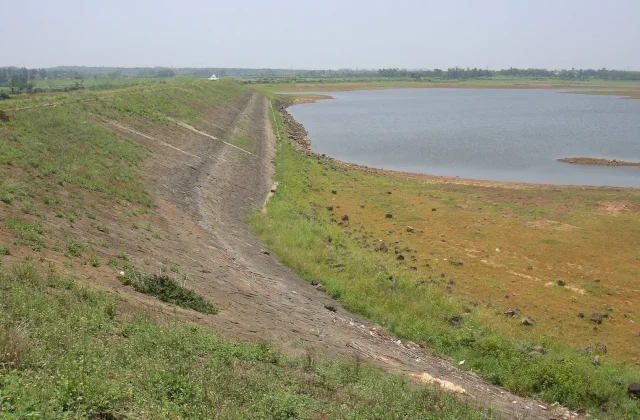
As reservoir levels fall a little further every year, our first reaction is to look at the sky and wait for rain. Yet drought is not just about less rainfall; it is also about how we use the water we have. Wasteful flood irrigation still common in farming, leaks and losses in the mains, and rainwater flowing straight into the sewers unused are problems we have grown with our own hands. This week, I wrote about why we must treat water not as fate but as a matter of management.
Looking at the reservoirs
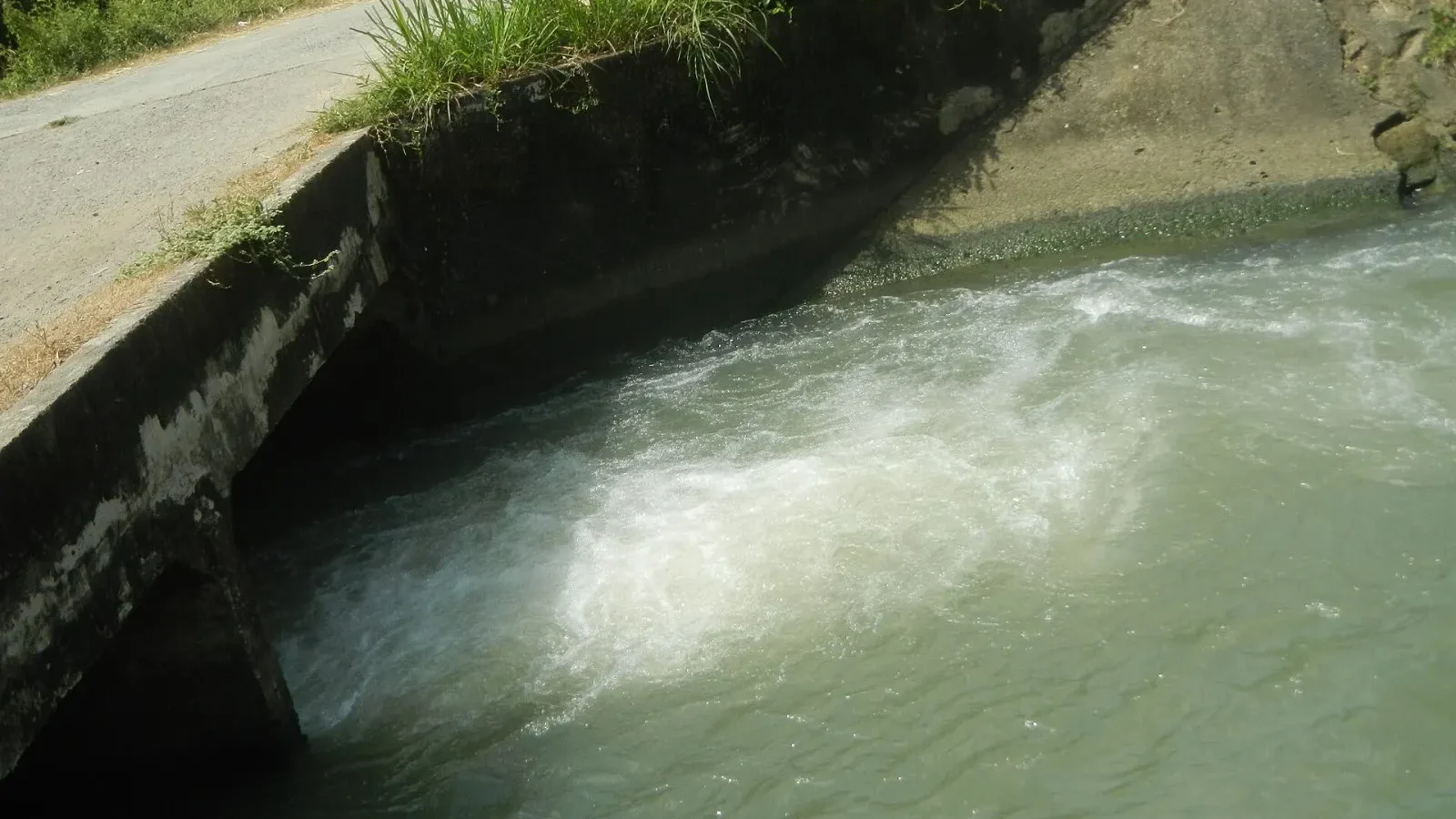
Walsh's column reminds us that our view of the reservoirs is a little too passive. While reservoir levels make the news every day, we rarely ask where that water goes. The writer says a significant share of the water reaching our cities is lost through leaks in the pipes, and that preventing this is far cheaper than building a new reservoir. This gap shows that drought is not just a natural phenomenon.
According to Walsh, renewing water infrastructure is the least discussed but most effective step in tackling drought. In older networks, losses can be cut sharply through pressure management, smart meters and regular maintenance. The writer says public pressure and transparent reporting are essential for this. He also suggests that councils publish their water loss rates every year.
The cities that win will be those that protect every drop, not those that wait for rain.
Emily Carter
The water lost in the fields
The second part of the column takes us down to the fields. Walsh explains that flood irrigation, still widespread, leaves half the water to evaporation or the depths of the soil. He notes that a grower who switched to drip irrigation now produces the same crop with far less water, but that the upfront investment is heavy for small farmers. A pilot project in one village, where crop yields held steady while water use fell markedly, is given as an example.
The writer's proposal is for support programs to prioritize water-saving methods. In his view, which crops are grown in which region should be planned according to that region's water budget. Joint irrigation investment through cooperatives is presented as a workable path for small farmers. Local governments, universities and producer associations could work together to multiply projects like these.
What cities must do
The last part of the column covers what cities must do. Walsh proposes collecting rainwater to irrigate parks and making graywater systems mandatory in new buildings. Choosing drought-tolerant native plants for gardens and green spaces could deliver significant savings in the long run. Most of these measures don't require big budgets; what's really needed is political will and public awareness.
| Topic | Columns |
|---|---|
| Highlights | opinion, climate, agriculture |
| Reading time | 6 minutes |
| Written by | Emily Carter |
Key takeaways
- The writer sees preventing leaks in the mains as the cheapest and most effective solution.
- Drip irrigation and smart crop planning are recommended for farming.
- Cities should encourage rainwater harvesting and graywater systems.
In his closing lines, the writer says fighting drought should be not a one-off campaign but a daily habit. He argues that the effects of drought can be reduced if officials take responsibility for planning, citizens for saving and farmers for efficient irrigation. The column invites readers to account for every drop of water. It's a reminder that when we look at the reservoirs, we should also look at our own faucets.

Leave a comment