























































After the derby: Refereeing decisions in the spotlight again
The week's derby ended in a goalless draw, and two penalty calls became the main talking point afterward. Our sports writer reviews the incidents.
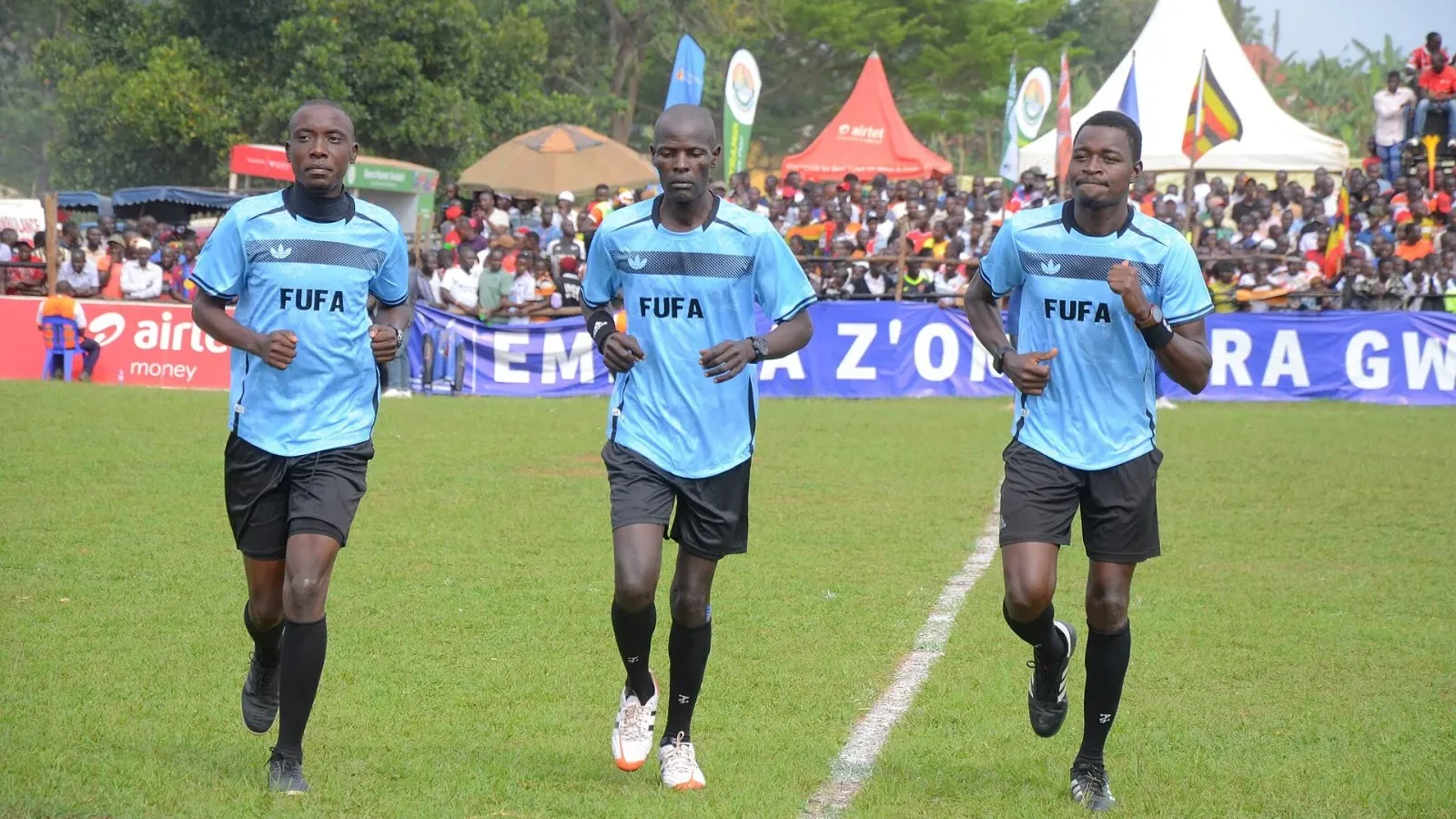
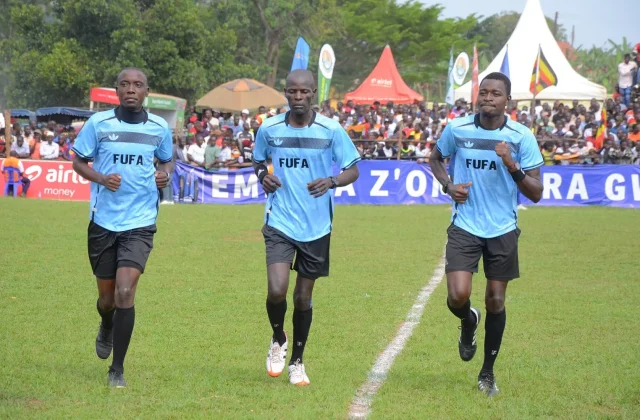
The derby, which had a direct bearing on the top of the table, ended in a goalless draw in front of packed stands. In a hard-fought match, neither side could take its chances, and the real story was the refereeing. Two penalty appeals turned down in the second half dominated the post-match talk among both managers and pundits. Our analyst and former referee Frank Elder went through the incidents frame by frame and shared his suggestions on how the video assistant referee system works. The result left the points gap at the top unchanged.
How the match unfolded
The match was played at a high tempo from the first whistle. Both teams pressed hard in midfield, while crosses from the wings caused danger in front of goal. The clearest chance of the first half was a shot the goalkeeper kept out at the last moment after a counterattack. The fans backed their teams throughout the match. In the first half, the two sides were evenly matched in possession.
The tempo dropped a little in the second half, but the tension rose. The managers' substitutions weren't enough to change the course of the game. Both defenses' disciplined play had a big part in keeping the score goalless. At the final whistle, the fans gave their teams a standing ovation, but all eyes turned to the referee's decisions. Weather conditions also affected the game during the match, with light rain making the pitch a little slippery.
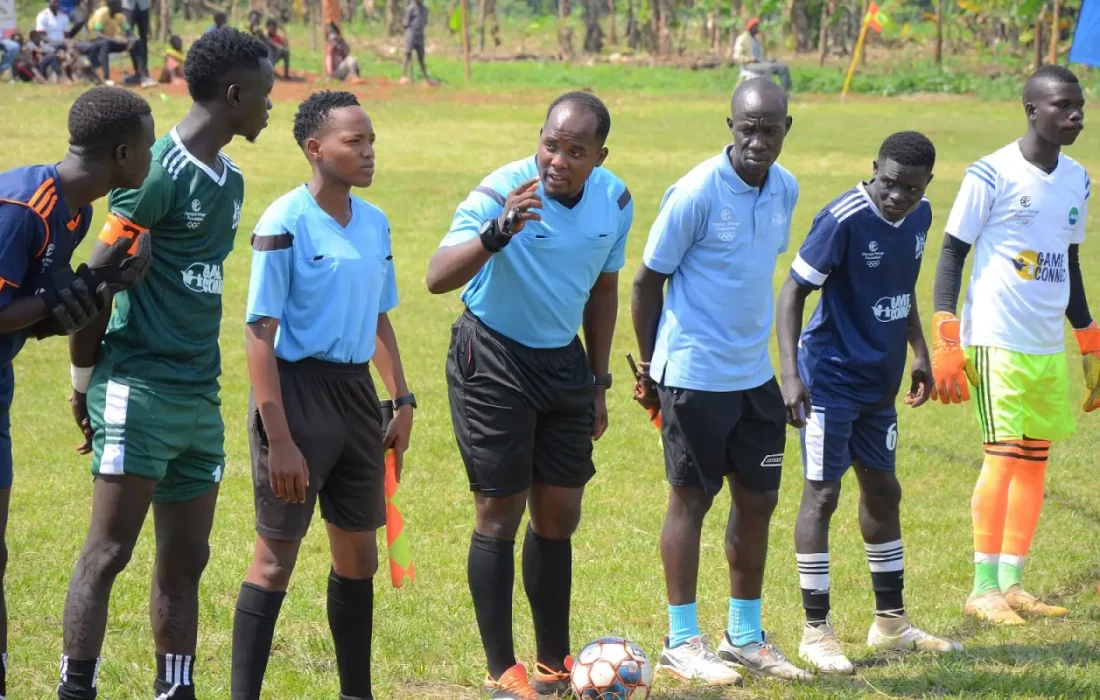
Technology can reduce mistakes, but it will never end the arguments.
Jake Morales
The disputed incidents
Both incidents at the center of the debate came in the last twenty minutes of the second half. In the first, a defender was alleged to have handled the ball inside the penalty area; in the second, an attacker was said to have been brought down. The referee waved play on in both cases and stood by his decisions. The football federation said the decisions would be reviewed by the referees' committee.
After the match, the managers offered different views. One said the decisions were debatable, while the other said they were happy with the result. The debate went on for hours in TV studios, with pundits going through the incidents frame by frame and offering different opinions. The league announced that the decisions were under review. These arguments may repeat after every derby, but many say what really matters is sportsmanship on the pitch.
How well is VAR working?
How the video assistant referee system works is under discussion again this week. Former referee Frank Elder says the system was designed to reduce clear errors, but that in incidents open to interpretation, the referee's judgment is still decisive. According to Elder, sending the referee to the monitor for some incidents could help reach the right decision without disrupting the rhythm of the game. Club executives, for their part, said in statements that they respected the referee's decisions.
| Topic | Sports |
|---|---|
| Highlights | football, opinion, derby |
| Reading time | 5 minutes |
| Written by | Jake Morales |
Key takeaways
- The derby was played at a high tempo and ended in a goalless draw.
- Two penalty appeals turned down in the second half became the talking point.
- VAR and how decisions are explained are back up for debate.
Elder also says short explanations of referees' decisions would boost trust. If fans and players hear why a decision was made, reactions may be more measured. The result left the points gap at the top of the table unchanged, and both teams face tough fixtures in the coming weeks. Next week's schedule may quickly make these debates fade, as both teams have big games ahead.
Leave a comment