



























































Winter shelters go up for street animals: Volunteers rally
Ahead of the cold weather, councils and animal lovers are placing insulated shelters in parks and neighborhoods. More food and water stations are being set up too.
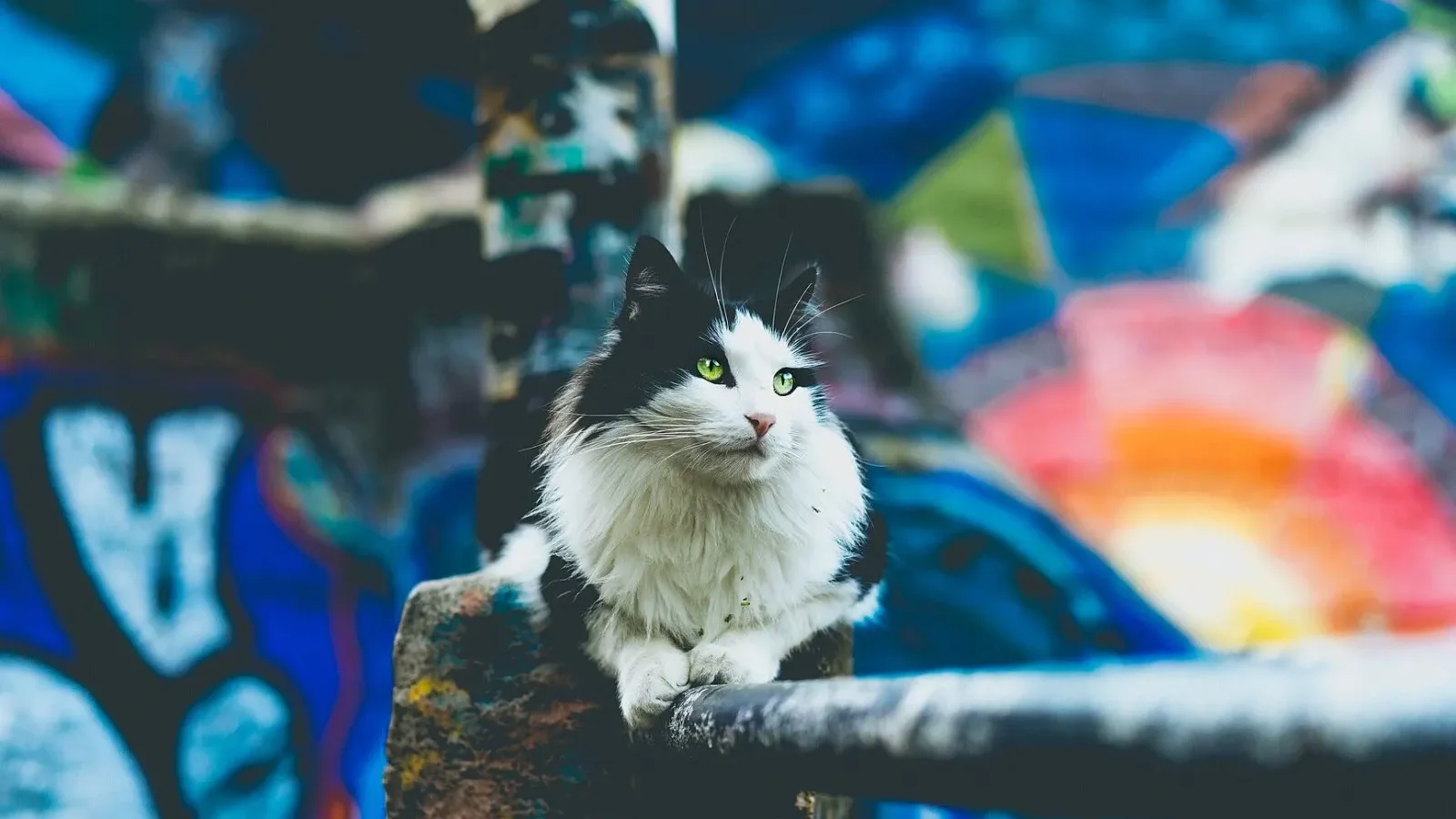
Table of contents
With winter approaching, councils and volunteer animal lovers have sprung into action to protect street animals from the cold. Insulated shelters are being placed in parks, schoolyards and between apartment blocks, while regular food and water stations are being set up in neighborhoods. Volunteer veterinarian Dr. Sandra Price notes that older and sick animals are especially vulnerable in cold weather and highlights the importance of vaccination. Officials ask anyone who sees an injured or sick animal to notify the council's veterinary services. Our readers can also join the effort in their own neighborhoods.
Insulated shelters in the neighborhoods
The shelters placed by councils are made of wood and insulating material. Inside, a moisture-proof layer helps retain the animal's body heat. The shelters are usually placed in spots sheltered from wind and rain, along the edges of parks and in schoolyards. In neighborhoods, volunteers also build and distribute similar shelters from recycled materials. The outside of each shelter is coated in waterproof paint and marked with an ID number.
Putting straw inside the shelters and replacing it regularly is said to be important. Veterinarians don't recommend fabrics like blankets because they hold moisture and can make the animal even colder. Council crews maintain the shelters on regular rounds and give volunteers guidance on this. Thanks to the ID numbers, it's easy to tell which shelter is meant when something is reported or needs maintenance.
In winter, a bowl of water and a warm corner can keep a life going.
Sarah Bennett
Food and water stations
More food and water stations are being set up in neighborhoods. Dr. Sandra Price says it's important to place water bowls away from shade and wind so they don't freeze in cold weather. Food bowls should be cleaned daily, dry food should be preferred and no litter should be left around. This cooperation eases the workload of council staff while giving the neighborhood a sense of ownership.
Building managers and residents can take responsibility for keeping these stations regularly filled. In some neighborhoods, volunteers draw up a rota to take turns. This way, the food and water stations never run dry and the animals find a routine they can rely on. Officials remind residents to be alert to any mistreatment of animals. Shelter-building activities are also held at some schools to raise children's awareness.
How can readers help?
Readers who want to help can start by contacting the council's veterinary services in their area. Donating food, water bowls and wood can be more useful than old blankets and towels. Animal welfare groups also run training sessions for anyone who wants to volunteer. Volunteers are also reminded not to forget their own safety and to be careful when approaching animals.
| Topic | Lifestyle |
|---|---|
| Highlights | city council, climate, health |
| Reading time | 4 minutes |
| Written by | Sarah Bennett |
Key takeaways
- Insulated shelters are being placed in parks, schoolyards and between apartment blocks.
- Food and water stations are set up in sheltered spots where they won't freeze.
- If you see an injured animal, notify the council's veterinary services.
When you see an injured or sick animal, the safest course is to call the council's veterinary services before stepping in. Dr. Price says that loving animals also means looking out for their health and for public safety. She adds that even a little attention throughout the winter can help keep an animal alive. Council officials announced that the number of shelters will be increased based on feedback received over the winter.

Leave a comment