




























































Table of contents
Our generation's childhood was full of voices calling us home at dusk. Hide-and-seek, dodgeball and hopscotch taught us on the street what no one taught as a lesson but all of us learned: sharing, losing and trying again. Today, most of our children are growing up alone in front of screens. In this column, rather than looking for someone to blame, I want to ask what families, schools and councils can do to open up safe places to play for children again.
The forgotten lessons of the street
Greene's column opens by recalling the role of play in child development. Children who play on the street make up their own rules, settle their own quarrels and learn how to lose. According to the writer, hours spent in front of a screen can't fully replace these experiences. Screens entertain, but they can leave children without many skills. She also points out that the real causes of screen dependence are often loneliness and boredom.
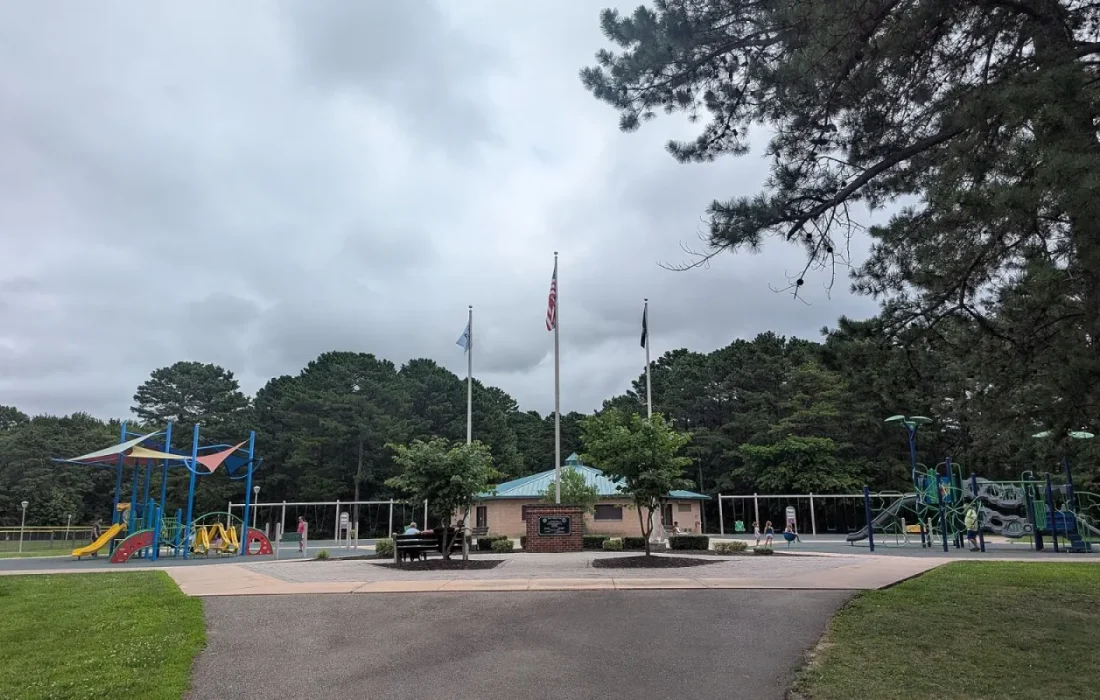
In her column, Greene adds that cities are designed for cars, not children. She describes how the open spaces between apartment blocks have become parking lots, neighborhood gardens have closed and neighborliness has declined. She stresses that screens aren't the only reason children can't go outside; a lack of safe spaces is just as much to blame. That's why her call is not to put the burden on children, but to create places where they can play.
Children don't need screens banned; they need the street given back to them.
Emily Carter
The screen time debate
The writer says she doesn't like assigning blame in the screen time debate. She understands that most parents come home tired from work and that handing a child a screen is an easy solution. Still, she recommends following experts' advice on daily screen time, especially switching screens off before bed. Drawing on her own childhood memories, she says it's possible for today's children to enjoy the same freedom.
According to Greene, families should offer alternatives rather than ban screens. A weekend walk together, play days in the neighborhood park or a board game set up on the balcony can naturally cut down screen time. What matters is offering children something more appealing than the screen. It's also important to remind children that a screen at home can't replace a real-world friend.
Is a child-friendly city possible?
The idea of a child-friendly city forms the most hopeful part of the column. Greene points out that councils could designate car-free play streets around schools and open certain streets to children on weekends. Reviving neighborhood gardens and making playgrounds safe are among her suggestions. Small experiments in neighborhoods show how quickly children's energy changes once they start playing together again.
| Topic | Columns |
|---|---|
| Highlights | opinion, education, city council |
| Reading time | 5 minutes |
| Written by | Emily Carter |
Key takeaways
- The writer says street games teach children to share and to try again.
- The problem, she stresses, is not just screens but a lack of safe places to play.
- Play streets and open schoolyards are proposed for a child-friendly city.
Writing that schools could also help by lengthening recess and opening their playgrounds to the neighborhood after hours, Greene adds that change will start with families. She says even a few families in each neighborhood coming together to turn their street into a play area for a weekend would send a powerful message. The column ends with an invitation to give the street back to children. Its message, in that respect, is crystal clear.


Leave a comment