

























































Photographing the Moon: Phone, telephoto lens and patience
Step by step, everything you need to know about exposure, focus and timing so the full moon doesn't turn into a white blob.
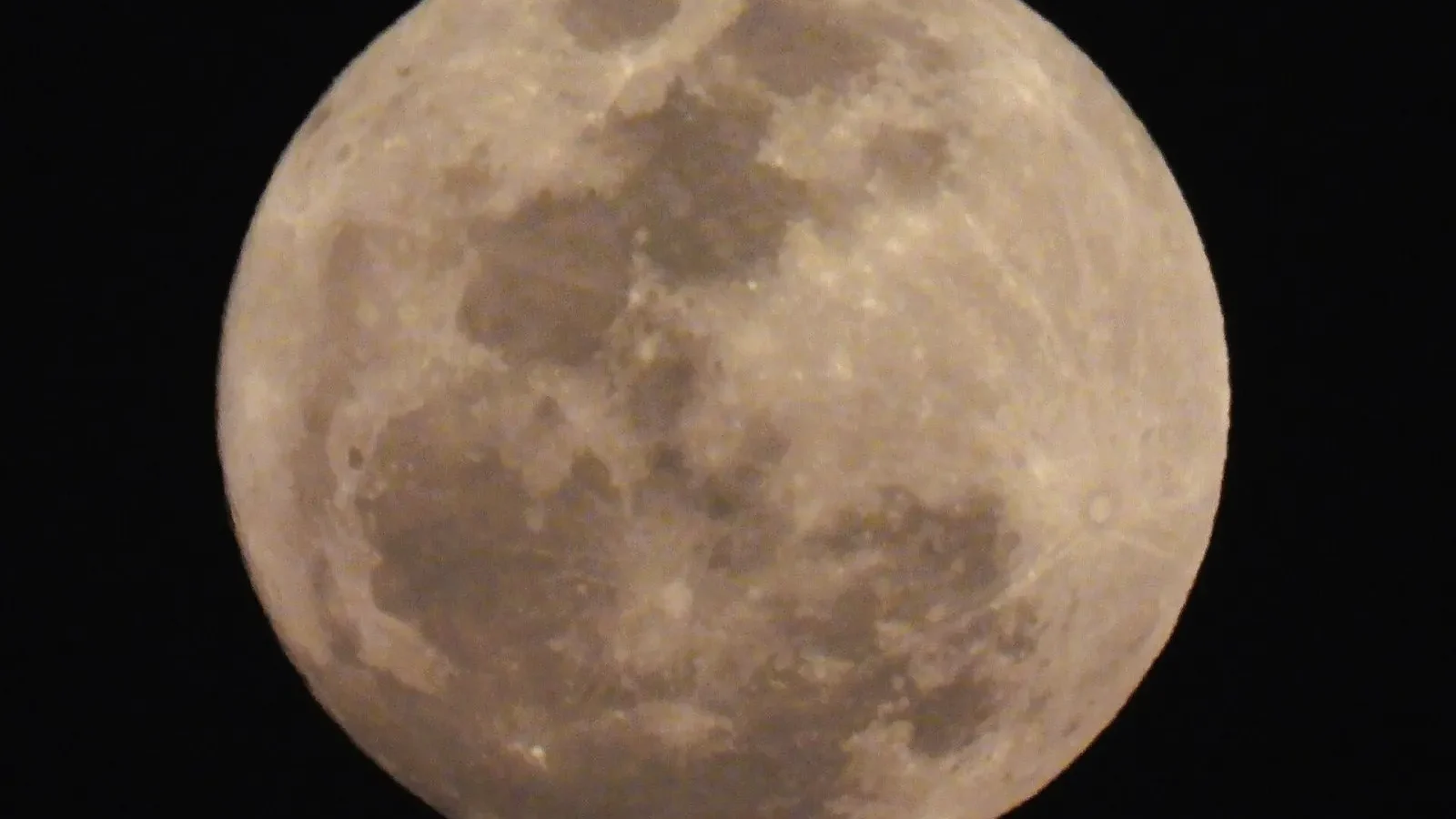
Trying to photograph the mesmerizing full moon only to see a tiny white blob on the screen is a disappointment almost all of us have experienced. That's because the Moon is the brightest object in the night sky, and the camera overexposes to compensate for the dark surroundings. In this post I explain the exposure and focus settings that will reveal the craters on the Moon's surface, and how to apply them with a phone or a telephoto lens. I also share the planning apps I use to place the Moon in the same frame as a minaret, a bridge or a mountain silhouette.
In this article
- Why does the Moon always come out as a white blob?
- The right exposure and focus
- Bringing the Moon and the landscape together
Why does the Moon always come out as a white blob?
The Moon comes out as a white blob because the camera's metering system increases exposure to balance the dark sky, blowing out the very bright Moon. In fact, the full moon is about as bright as grass on a sunny day. So when photographing the Moon, you need daytime settings, not night settings; otherwise the texture of the craters and maria disappears completely.
The same problem applies when shooting with a phone. Auto mode sees the dark sky, raises the exposure and turns the Moon into a white disc. Tapping the Moon on the screen and sliding the exposure down is the first step. Many phones let you set ISO and shutter speed manually in pro mode, which preserves crater detail and makes for a far more satisfying photo.
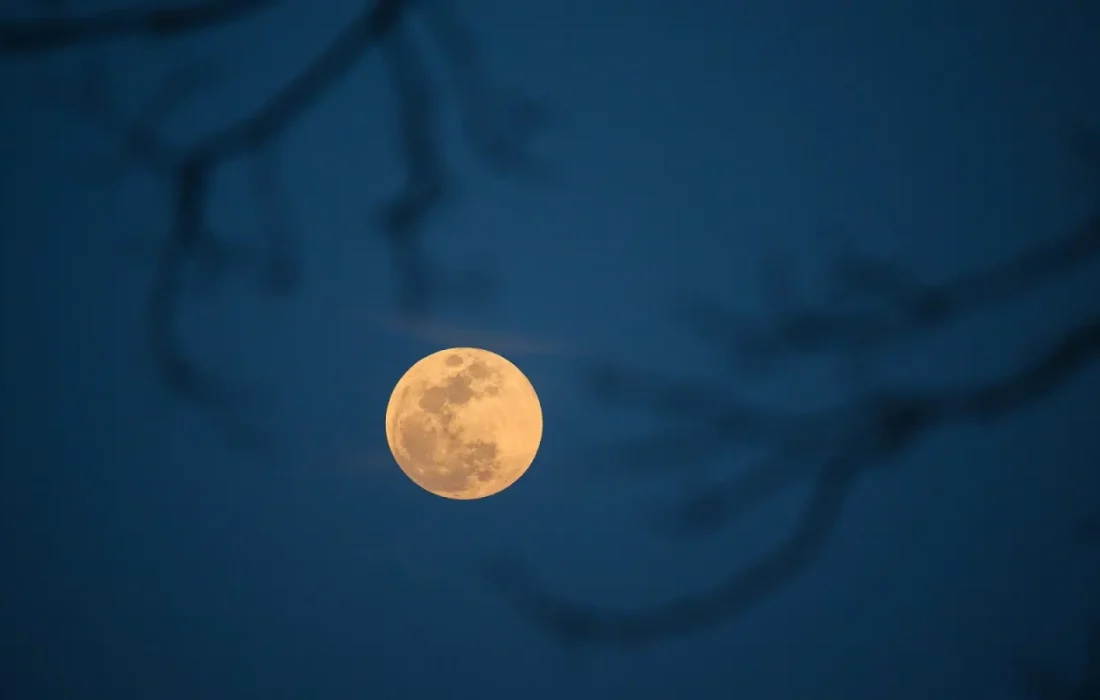
Photographing the Moon means learning to expose the brightest object of the night correctly.
Sarah Bennett
The right exposure and focus
If you're using a telephoto lens, a good starting point is ISO 100, f/8 and a shutter speed between 1/100 and 1/200 s. Use manual focus, magnify the live view and stop at the point where the crater edges are sharpest. Autofocus often gets it wrong in the night sky and keeps hunting.
Camera shake is the biggest enemy in Moon photography, because a long focal length magnifies every small vibration. A sturdy tripod and a remote shutter or two-second timer are essential. When shooting with a phone, I recommend fixing it to a tripod adapter or a steady surface. Shooting in RAW gives you more flexibility to bring out detail in editing later.
Bringing the Moon and the landscape together
Rather than shooting the Moon as just a disc, pairing it with a landscape is far more striking. Next to a minaret, a bridge or a mountain silhouette, the Moon gains scale and story. Planning apps that show from which direction and at what time the moon will rise are a big help here. Choose your location, enter a date and time, and they show exactly where the Moon will come up.
| Topic | Astrophotography |
|---|---|
| Highlights | astrophotography, lens, tripod |
| Reading time | 6 minutes |
| Written by | Sarah Bennett |
Key takeaways
- The full moon is as bright as daylight, so shooting it with night settings gives a white blob.
- Manual focus, a sturdy tripod and a timer are essential for sharp craters.
- Planning apps make it possible to pair the Moon with a minaret or a mountain silhouette.
For the giant-moon effect, you need to shoot from a distant spot with a telephoto lens, because distance determines the size ratio between the Moon and the foreground subject. Near the horizon, the Moon looks more orange and larger. That's why shooting as the Moon rises or sets gives more dramatic results. If you're patient enough, the right night and the right spot are waiting for you.
What do you think about this post?
Leave a comment