














































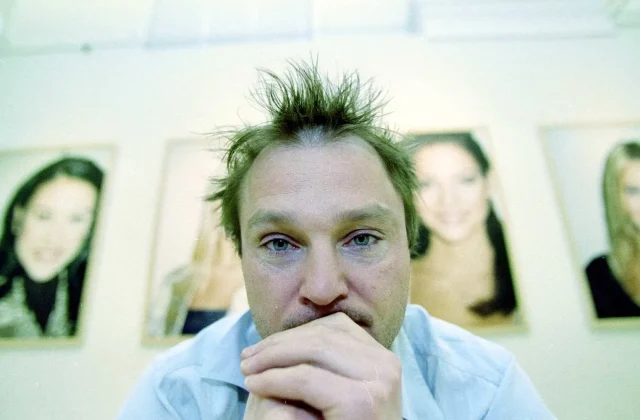
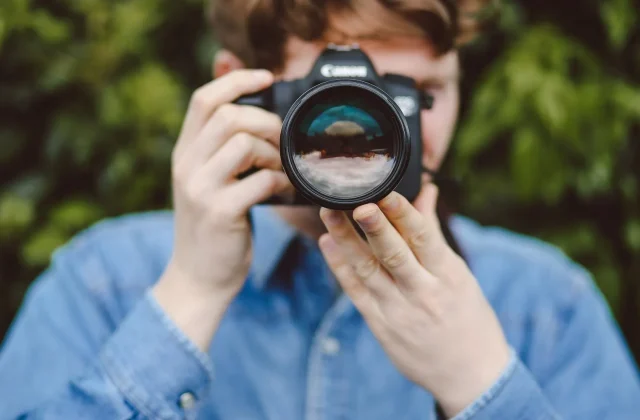
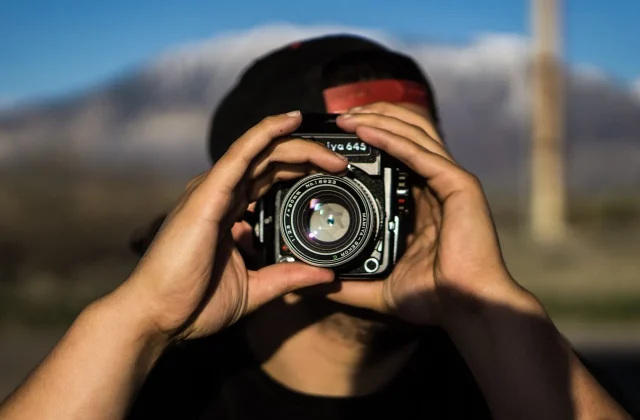
Photographing the people we meet while traveling is one of the most beautiful and most delicate experiences there is. In this episode of Shutter Talks, I had an in-depth conversation on the subject with photographer Anna Wolfe, who has been running documentary projects on different continents for years. Wolfe stressed the importance of seeing local people not as elements of the scenery but as individuals with their own stories. We covered many topics, from the subtleties of asking permission to the responsibility we carry when sharing photos.
In this article
- To ask or not to ask
- The exoticism trap
- The responsibility of sharing a photo
To ask or not to ask
This episode's guest, Anna Wolfe, has been running long-term documentary projects on different continents for nearly twenty years. At the start of our conversation, I asked her the first question she asks herself before taking a photo. Her answer was very clear: “Who gave me the right to tell this person's story?” That question is the compass for all her work.
For Wolfe, asking permission isn't a formality; it's the start of a relationship. Even in a village where she doesn't speak the language, she first conveys her intentions with her face and her camera, then shows the frame. Sometimes asking permission can mean missing the photo; but to her, a missed frame always costs less than broken trust. In the episode, we hear examples of this approach.

The person you photograph is not the backdrop to your story.
Emily Carter
The exoticism trap
The most striking part of the conversation was about the exoticism trap. Wolfe says that in travel photography, highlighting local people for their colorful clothing and differences can end up making them look like costumes. Yet every person is just as real, with everyday worries, a sense of humor and dreams. Photography needs to reflect that. To her, good documentary work starts with an honest relationship.
Her suggestion for avoiding this trap: when you go somewhere, make time not just for what's on display but for everyday life. Join a family for a meal, watch a market being set up in the morning, observe how people go about their work. That way your frames go beyond folkloric images and become an honest testimony of daily life, offering the viewer a more respectful view.
The responsibility of sharing a photo
In the last part of the episode, we talked about the responsibility of sharing photos. Wolfe reminds us that every frame shared on social media can become detached from its context and have unexpected consequences. Captions and tags shape how a photo is understood, so it's important to take care to give the right place, the right context and the right names. To her, responsibility doesn't end the moment you press the shutter; it continues after the photo is published.
| Topic | Stories |
|---|---|
| Highlights | street photography, travel diary, portrait |
| Reading time | 3 minutes |
| Written by | Emily Carter |
Key takeaways
- Before taking a photo, the guest asks herself whether she has the right to tell the story.
- You can avoid the exoticism trap by making time for everyday life.
- Being able to explain a frame to its subject before sharing is the key test.
She also stresses the need for extra sensitivity with photos of children and vulnerable people. Some frames can be taken but may be better left unpublished. Keeping in touch with the people you photograph and sending them the photos is also part of that responsibility. Her advice to listeners is to ask yourself, before publishing any photo, whether you could explain it to the person in it.
What do you think about this post?
Leave a comment