



























































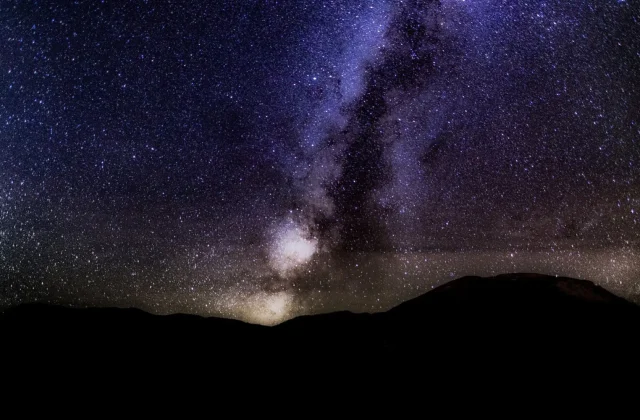


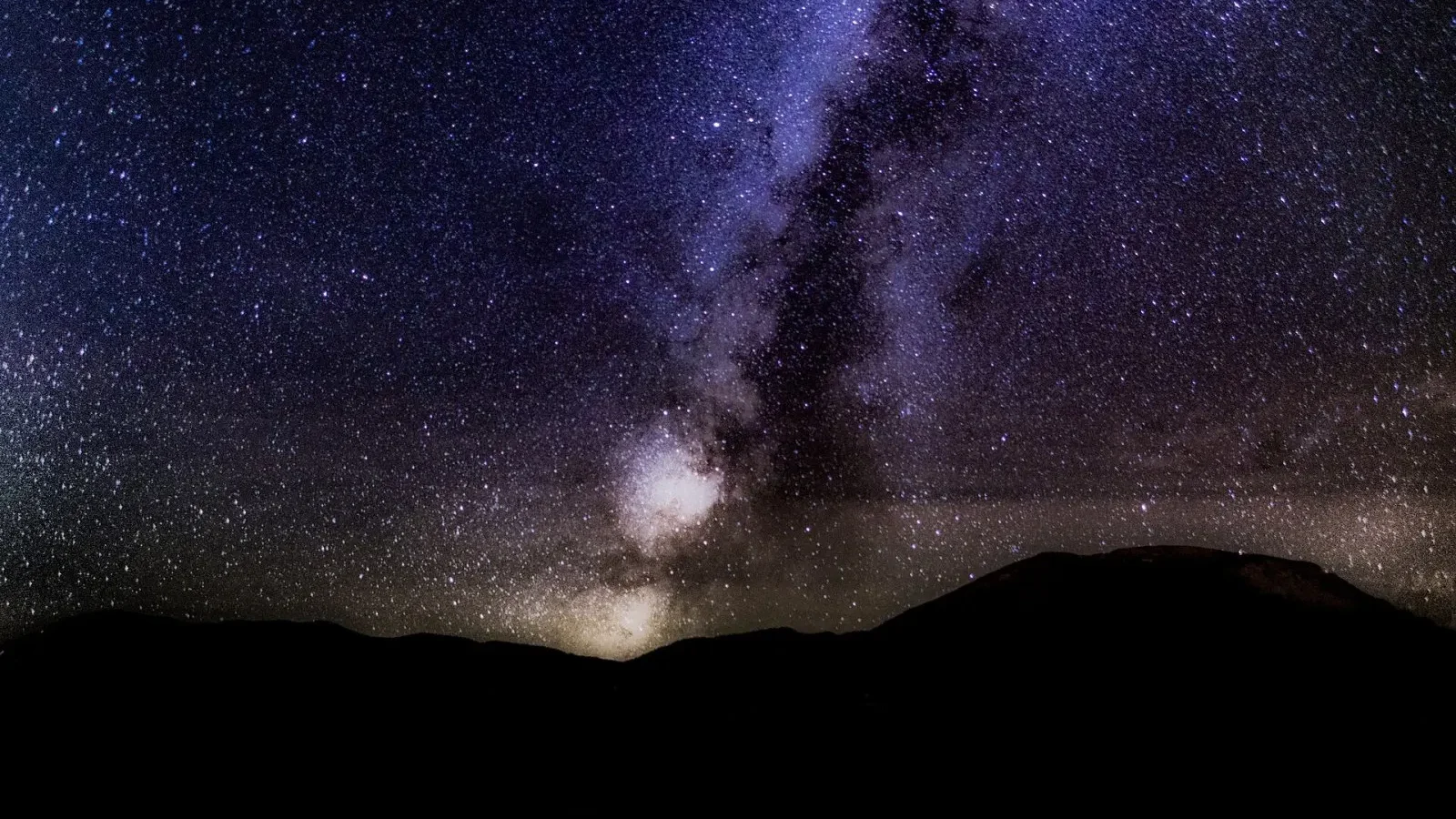
The darkest skies in the country for Milky Way photography
I've gathered highland plateaus, mountain villages and coastal spots far from light pollution, where you can see the Milky Way with the naked eye, along with shooting tips.
Most of us who live in cities have never seen the Milky Way with the naked eye, because light pollution hides most of the sky from us. Yet in many parts of the country, just a few hours from city centers, a real night sky full of stars is waiting for you. In this post I've gathered eight of the highland plateaus, mountain villages and coastal spots I've visited in different seasons over the past three years. For each one I've added directions, the best months and foreground ideas for your frame.
In this article
- Reading a light pollution map
- Eight stops from highlands to coast
- The lunar calendar and the best months
Reading a light pollution map
Light pollution maps show how dark the sky is using colors. Black and dark blue areas are best for the Milky Way, while yellow and orange areas carry the glow of big cities. I open the map and mark dark spots within a circle no more than two or three hours' travel away. Then I look at satellite images of those spots to study the horizon and foreground options.
The maps have a limit, too: even a small nearby settlement or facility can create a dome of light on the horizon. So whenever possible, I visit the places I pick from the map during the day to plan my framing. Using a compass app on my phone to work out in advance which direction the Milky Way's core will rise from is the most critical step in preparing for the night.
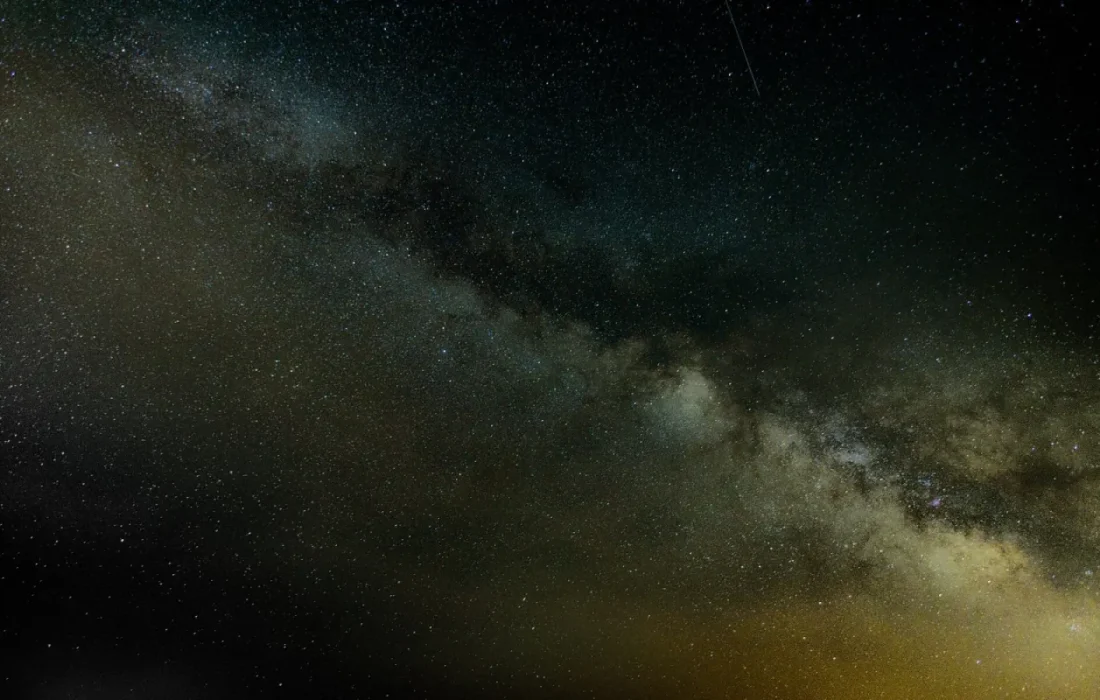
The night you first see the Milky Way with your own eyes, you may forget all about your camera.
Sarah Bennett
Eight stops from highlands to coast
Four of the eight stops are highland plateaus. At these high-altitude sites, the air is thin and clean, and with very little light from settlements, the sky is truly full of stars. Two others are mountain villages, where you can use characterful foregrounds such as stone houses, wooden barns and cemetery walls. The remaining two stops are on the coast, ideal for stars reflected in the sea.
For each spot I researched access and accommodation in advance. Some highland roads close in the winter months, and some villages have no lodging. Camping or sleeping in your car may be an option here, but following local rules and permits is a must. At the coastal stops, humidity and wind call for extra precautions to protect your gear.
The lunar calendar and the best months
From these latitudes, the core of the Milky Way is best seen between March and October. In June, July and August the core stays in the sky for most of the night, and that bright arch stands out clearly. In April and May the core rises toward dawn; if you like getting up early, it's the time for great frames. Knowing the core's position in advance during these months makes planning your composition much easier.
| Topic | Astrophotography |
|---|---|
| Highlights | astrophotography, night photography, tripod |
| Reading time | 9 minutes |
| Written by | Sarah Bennett |
Key takeaways
- A light pollution map is the first step to finding reachable dark spots.
- Highlands, mountain villages and coastlines offer different foreground options.
- Cloudless nights around the new moon are the most productive time for the Milky Way.
The lunar calendar is the second pillar of the plan. Around the full moon, the sky brightens and the Milky Way fades. The best shots come around the new moon, on nights when the moon doesn't rise or sets early. I usually follow the forecast for three days either side of the new moon and set off as soon as I find a cloudless window.
What do you think about this post?


Leave a comment