

























































The finer points of shooting striking portraits at golden hour
That magical hour before sunset is the ideal time for portrait photography. I share the techniques I use to make the most of the soft, warm light.
The last hour before sunset, known among photographers as golden hour, is practically a gift for portrait sessions. With the sun close to the horizon, the light is both soft and warm. Skin tones come alive, lovely catchlights appear in the eyes and harsh shadows disappear. But to make the most of this light, you need to know a few basic techniques. In this post I share the methods I've tried over the years that work best.
In this article
- Working out the direction of light
- Backlight and flare
- Using a reflector
Working out the direction of light
Deciding the direction of light at golden hour means choosing the character of the portrait. With the sun behind your subject, hair and shoulders glow with a thin rim of light; with the sun to the side, the face gains sculptural depth; with the sun in front, the skin looks even and warm. Before I start shooting, I try two or three different directions with my subject and we look at the results on the screen together.
The angle at which the sun approaches the horizon matters too. Once the sun is low enough, no shadows form under the eyes and the light comes in more horizontally. So when choosing a location, I make sure the horizon is open and nearby buildings won't block the sun too early. Golden hour usually lasts about forty-five minutes, so you need to plan ahead and use the time well.
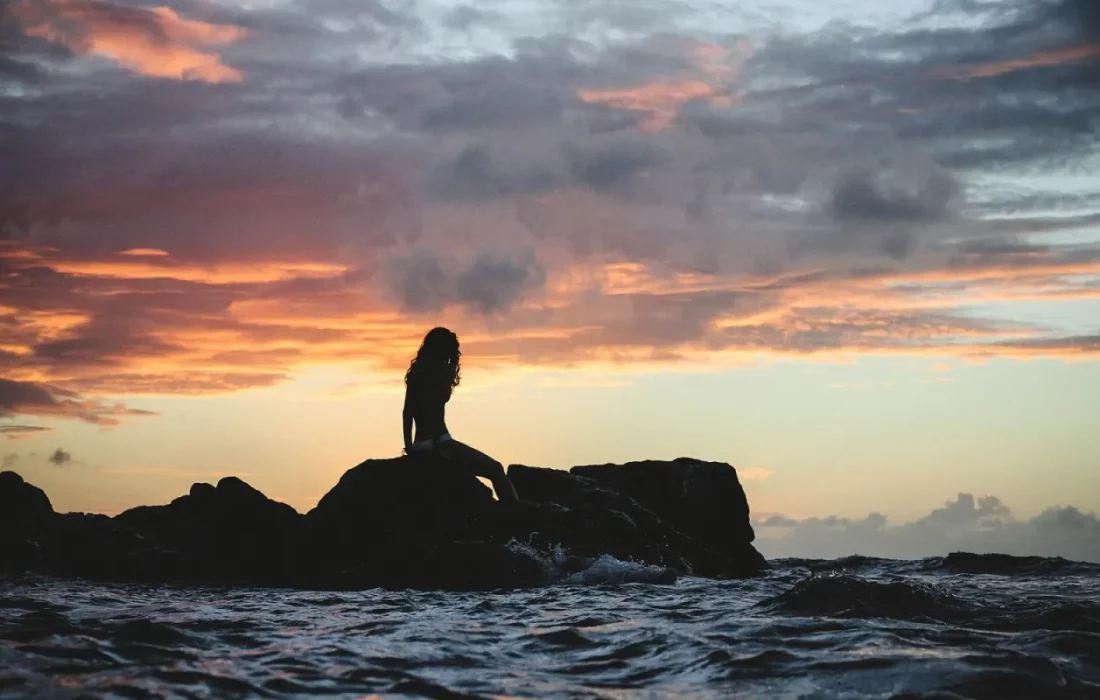
Golden hour is when the light winks at the photographer.
Sophie Laurent
Backlight and flare
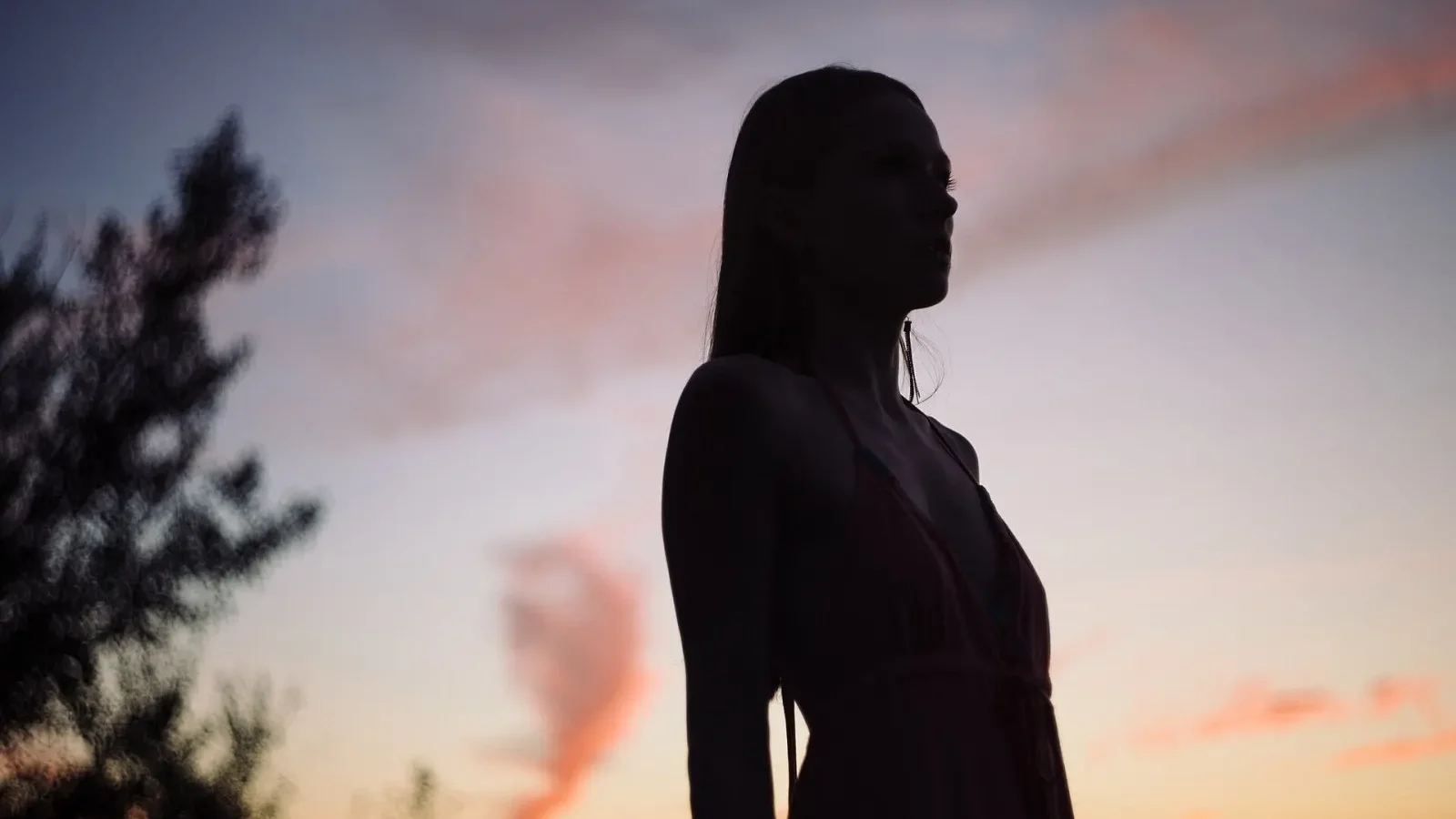
Backlight is golden hour's most beautiful gift, but also its sneakiest trap. When the sun hits the lens directly, you can get flare, loss of contrast and a hazy effect. Sometimes these effects add a lovely mood; sometimes they ruin the frame. I usually use a lens hood and, when needed, hide the sun behind my subject's head to keep flare under control.
In backlight, the exposure can leave the face in the dark. To prevent this, I switch to spot metering on the face or dial in a stop of positive compensation. When I shoot in RAW, lifting the shadows later is much easier. Rather than eliminating flare completely, I like to use it as a tool that adds a little warmth and a cinematic feel to the frame.
Using a reflector
A reflector is a great tool for filling the shadow side at golden hour. A gold reflector makes the light warmer, while a white surface gives natural fill. If you don't have a reflector with you, even a light-colored wall, sandy ground or a white T-shirt can do the same job. The key is to keep the face readable without completely darkening the shadow side.
| Topic | Tips |
|---|---|
| Highlights | light, sunset, lens |
| Reading time | 7 minutes |
| Written by | Sophie Laurent |
Key takeaways
- Putting the sun behind, beside or in front of your subject changes a portrait's character.
- In backlight, spot metering or positive compensation keeps the face out of the dark.
- Even a light-colored wall can act as a reflector and fill in the shadows.
Holding the reflector slightly below the chin, at an angle that doesn't dazzle your subject's eyes, gives the best result. If you don't have a friend to help, you can mount the reflector on a tripod. And my last tip: don't stop talking to your subject during the shoot. The best expressions appear when they focus more on the conversation than on the camera. That way I keep the light under control and, because the subject stays relaxed and natural, I capture calm frames.
What do you think about this post?
Leave a comment